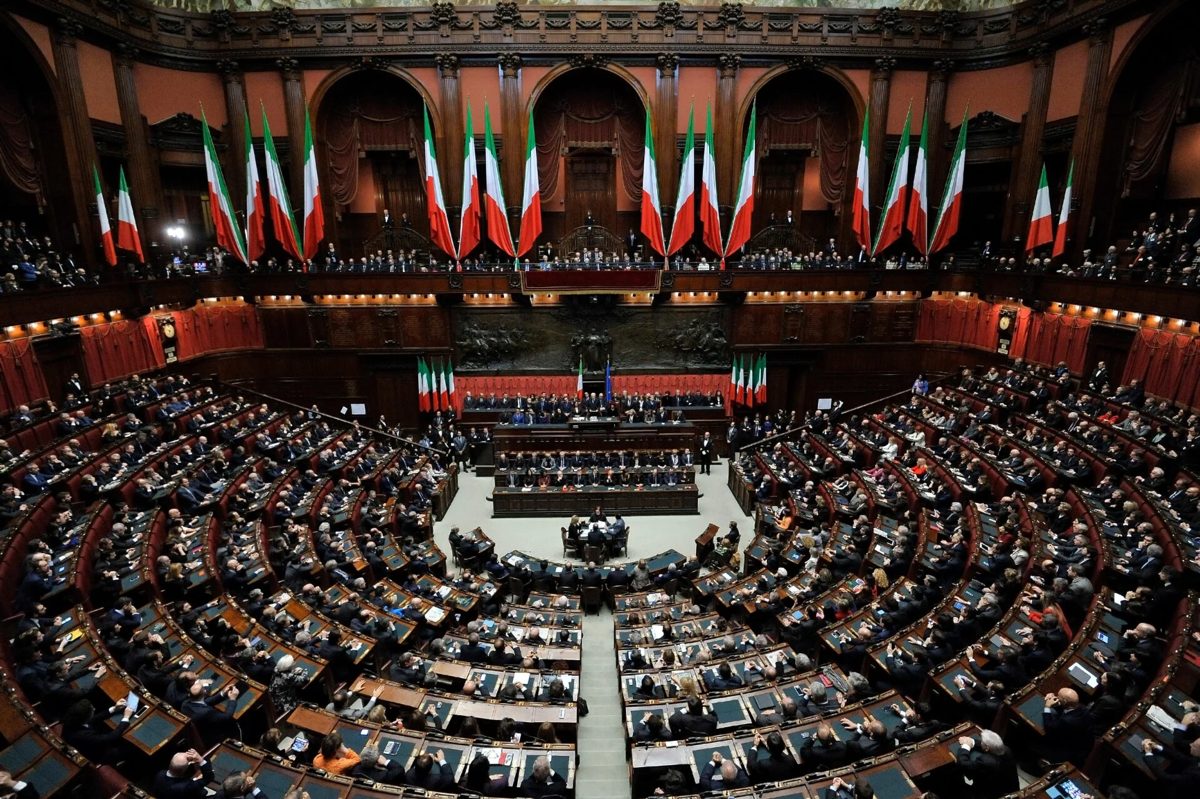
Italy's parliament gave final approval on Thursday to a sweeping overhaul of the country's electoral system, handing Prime Minister Giorgia Meloni a defining political victory and setting the stage for a fierce constitutional battle. The reform — nicknamed "Stabilicum" by its backers and "Melonellum" by its opponents — awards bonus parliamentary seats to whichever party or coalition wins the most votes, provided it reaches at least 42 percent of the national vote.
The Chamber of Deputies approved the measure in a secret ballot by 227 votes to 164, according to the New Indian Express, completing the reform's passage through both houses after the Senate approved it on September 15.
Table of Contents
- What the new law changes
- The 42 percent prize
- Meloni stakes her future on the vote
- Why critics call it a 'scam law'
- A country allergic to stable government
- What happens next
- Key takeaways
- Frequently Asked Questions
- Sources
- Read more
What the new law changes
The reform replaces Italy's hybrid electoral system — under which roughly two-thirds of seats were allocated proportionally and one-third in first-past-the-post races — with a purely proportional system, as Reuters detailed. On top of that proportional base, the law introduces a "majority bonus" designed to guarantee the winner a working majority in parliament.
The new rules also require each coalition or party standing outside a coalition to name its preferred candidate for prime minister before the election — a provision that does not appear on the ballot and is not legally binding, since under Italy's constitution the president formally chooses the prime minister.
The legislation makes several smaller changes too: it raises the signature threshold for new parties without parliamentary representation from 1,500 to 6,000 per constituency, allows Italians who have lived away from their registered residence for at least nine months to vote where they live, and reduces the number of overseas constituencies.
The 42 percent prize
The centrepiece is the bonus itself. A party or coalition that wins at least 42 percent of the vote in both chambers receives 70 extra seats in the 400-member Chamber of Deputies and 35 extra seats in the 200-member Senate. If no party or coalition reaches the threshold, seats are distributed purely proportionally.
To prevent excessively large majorities, the bonus is capped: the winner cannot end up with more than 220 seats in the Chamber or 113 in the Senate. If more than one coalition passes the 42 percent threshold, the one with the most votes takes the bonus.
The design is clearly aimed at Italy's two main camps — Meloni's conservative alliance and the centre-left bloc that includes the Democratic Party and the 5-Star Movement — and at forcing the fragmented Italian party landscape into governable coalitions.
Meloni stakes her future on the vote
Meloni made the reform a personal test, declaring she would resign if the bill failed. It did not fail: she now leads the country and, having last month become the longest-serving head of government since World War II, is the most entrenched premier of the republican era.
"Whoever wins the elections will have the numbers to govern," she said, in comments carried by Al Jazeera. She has insisted the reform will stabilise the country rather than serve any one political group.
The name-the-premier provision could, however, cut both ways. Rado Fonda, head of research at pollster SWG, told Reuters it could "prove problematic for the centre-left, potentially forcing an early leadership contest and exposing divisions that could weaken the bloc."
Why critics call it a 'scam law'
The centre-left opposition has dubbed the reform the "legge truffa" — the scam law — and pledged to challenge it before Italy's Constitutional Court once it takes effect. Critics contend the majority bonus distorts voter representation and could conflict with previous court rulings that struck down elements of earlier electoral laws, including bonuses handed out without a minimum vote threshold.
The law's supporters counter that the 42 percent threshold is precisely the safeguard earlier versions lacked. Giovanni Orsina, a political scientist at Rome's Luiss Guido Carli University, predicted the law is "extremely likely" to pass — a prediction borne out by Thursday's vote.
A country allergic to stable government
Italy has had more than 60 governments since 1945, and each electoral reform is an attempt to cure the chronic instability produced by a proportional system in a country of fractured loyalties. Previous efforts — the 1993 Mattarellum, the 2005 Porcellum (struck down by the Constitutional Court), the 2015 Italicum (partially struck down), the 2017 Rosatellum — have each tried and failed to square the circle of proportionality and governability.
Meloni's gamble is that a clearly defined prize for the winner will give voters and parties an incentive to consolidate. The opposition's gamble is that the court will do to the Melonellum what it did to its predecessors.
What happens next
The law takes effect now that parliament has completed its work, and a general election is due by the end of next year, with speculation pointing to a possible vote in May 2027 to coincide with local elections in major cities. The opposition's promised Constitutional Court challenge could force a revision before then.
For Meloni, the victory is immediate: she has delivered the signature reform of her premiership and demonstrated control of parliament. For Italy, the question is older: whether any law can impose stability on a political system that has spent eighty years resisting it.
Key takeaways
- The vote: The Chamber of Deputies approved the electoral reform 227–164 on Thursday, giving definitive parliamentary approval after months of heated debate.
- The mechanism: Winners reaching 42 percent of the vote get 70 bonus seats in the Chamber and 35 in the Senate, capped at 220 and 113 seats respectively.
- The stakes: Meloni said she would resign if the bill failed; she now leads the longest-serving government since World War II.
- The fight ahead: The centre-left calls it a "scam law" and vows to challenge it in the Constitutional Court, which has struck down bonus schemes before.
Frequently Asked Questions
What is the 'Melonellum'?
The nickname given by opponents to Giorgia Meloni's electoral reform (officially framed by backers as the "Stabilicum"). It replaces Italy's hybrid electoral system with a purely proportional one plus a "majority bonus" of extra seats for the winning party or coalition.
How does the majority bonus work?
A party or coalition winning at least 42 percent of the vote in both parliamentary chambers receives 70 additional seats in the 400-member Chamber of Deputies and 35 in the 200-member Senate. If nobody reaches the threshold, seats are allocated proportionally.
Why is it controversial?
The opposition says it distorts voter representation and is designed to favour Meloni's right-wing coalition at the next election. They have dubbed it a "scam law" and plan to challenge it before Italy's Constitutional Court, which has previously struck down elements of earlier electoral laws.
Did Meloni really threaten to resign?
Yes. She said she would resign if the bill failed to pass, turning the final vote into a test of her government's survival. It passed comfortably in a secret ballot.
When will the new system be used?
A general election is due by the end of 2027, with speculation pointing to a possible vote in May 2027 to coincide with major cities' local elections. A constitutional challenge could force changes before then.