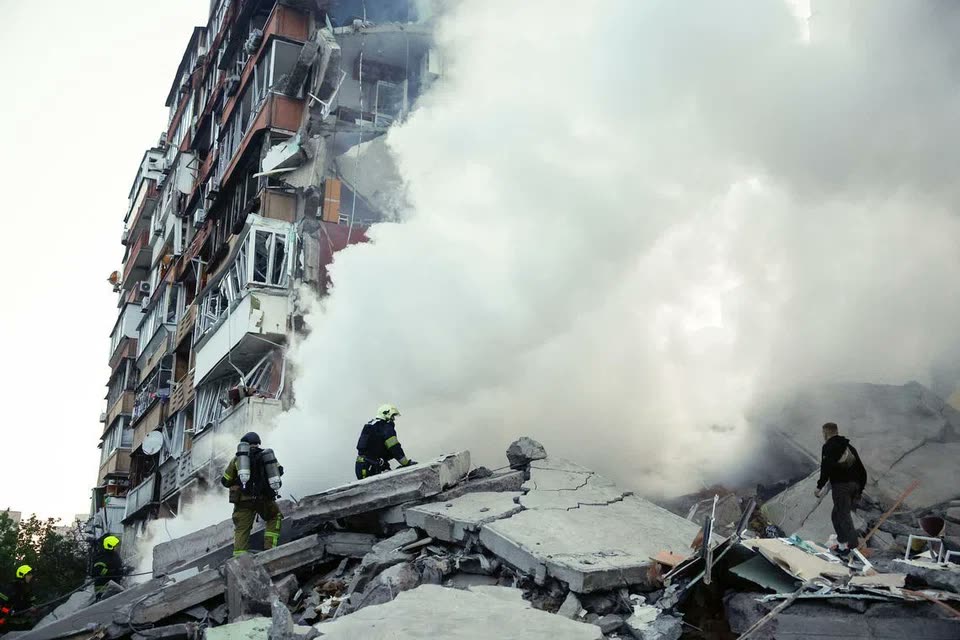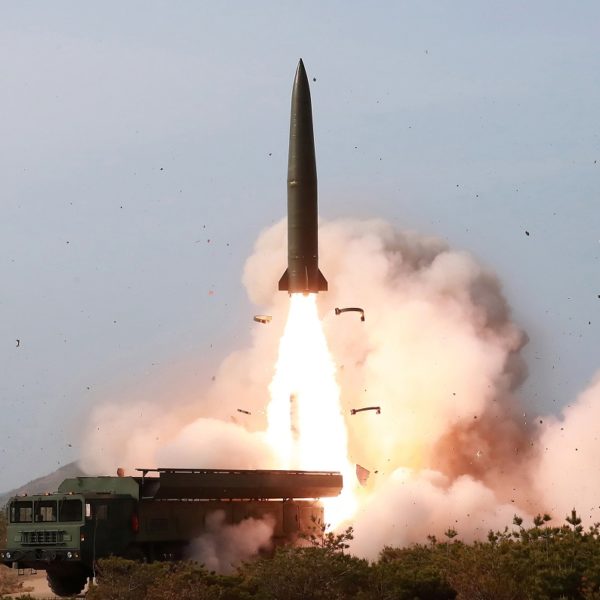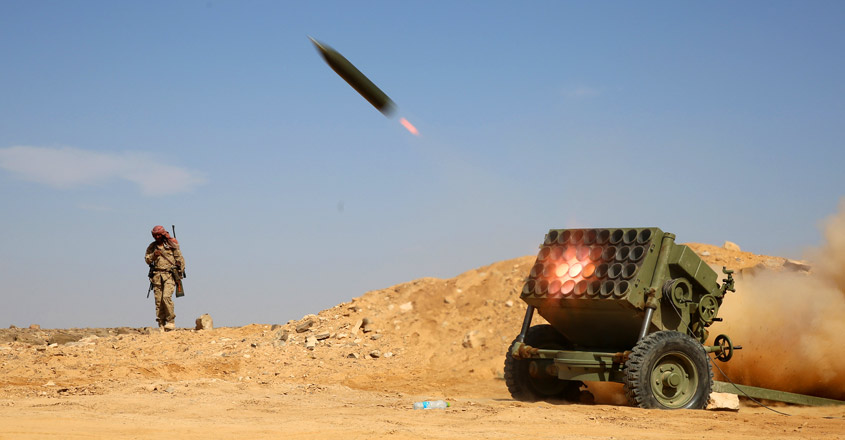
Iran-backed Houthi rebels fired at least three ballistic missiles at a military camp in southern Yemen on Monday, killing 20 to 30 soldiers and wounding dozens more in one of the deadliest single strikes since the country's 2022 ceasefire collapsed earlier this year. The attack on the al-Alam camp in the oil-rich province of Shabwa signals a dangerous new phase in Yemen's civil war — one now openly entangled with the wider Iran–US conflict.
The missiles struck a training centre for members of the security and police services, according to Majed al-Nuzaili, spokesperson for the Yemeni armed forces, who wrote on X that the "Houthi militia targeted Shabwa with three ballistic missiles." Government military officials told the Associated Press that at least 20 soldiers were killed and at least two dozen wounded, speaking on condition of anonymity because they were not authorised to brief the media. Two military sources cited by AFP put the toll higher: more than 30 killed and at least 70 wounded.
A strike designed to send a message
The government's Saba news agency said a number of army recruits were killed or injured, without giving a precise breakdown. Rashad al-Alimi, head of Yemen's Presidential Leadership Council, condemned what he called the Houthis' "cowardly terrorist attacks," saying the rebels resorted to such strikes whenever they faced battlefield pressure or their Iranian-backed plans were thwarted. He instructed authorities to take "the necessary measures to respond firmly" to those behind the attack.
A government military source in Shabwa told AFP the army fears the missile barrage could pave the way for a Houthi ground offensive "similar to what happened in Mocha" — the strategic Red Sea port city near the Bab al-Mandab strait that the Houthis seized earlier in the fighting. Local sources added that the Houthis cut a road linking government-held Shabwa with Houthi-controlled Al-Bayda province on Sunday, preventing locals from using the route — a classic precursor to an advance.
The ceasefire is gone, and the war is back
The attack is among the deadliest in a recent surge of fighting that began months ago, as tensions spiked in the wider Iran–US conflict. The escalation between the Houthis and forces of the Saudi-backed government has shattered a 2022 ceasefire deal that largely stopped fighting in Yemen's civil war.
The violence has been mutual and mounting. The Houthi-run Health Ministry said a Saudi-led coalition airstrike on Sunday killed at least nine people — including five children and two women — in the rebel-held northern province of Saada. It was one of several attacks over the weekend that killed or wounded more than 30 people, according to the rebels. There was no immediate comment from Saudi Arabia. Meanwhile, Yemen's government forces claimed to have recaptured Sanamat in Taiz governorate and advanced towards Misrakh in a counteroffensive, as the Houthis attempt to encircle Taiz city, where the UN has warned food supplies are running low.
A conflict spreading across the region
The Houthis have recently targeted sites across government-held areas, including the airport and presidential palace in Aden — the interim capital. A missile and drone attack on the Maashiq presidential palace killed five security personnel, and the rebels have repeatedly launched missiles and drones at Saudi Arabia itself during the latest escalation, targeting airports, oil sites and other infrastructure.
The conflict, rooted in the Houthis' 2014 seizure of the capital Sanaa, has become another front in the regional war sparked by the conflict with Iran. Government forces this month launched a campaign to recapture Houthi-held areas, making advances near the Bab al-Mandab strait, a key global shipping route — gains the Houthis may now be trying to reverse with strikes like Monday's on Shabwa.
Why this matters
Monday's attack shows the limits of missile diplomacy in reverse: the Houthis are demonstrating they can strike deep into government-held territory at will, while the government — and its Saudi backers — struggle to prevent escalation from tipping into a full ground war. With the road to Al-Bayda cut and Mocha's fall still fresh in Yemeni minds, the al-Alam strike may be less a single event than the opening salvo of something larger. The UN envoy to Yemen has already warned the country stands on the brink of full-scale war; Monday's missiles suggest that brink may have arrived.
Frequently Asked Questions
What happened at the al-Alam camp in Shabwa?
On Monday, October 19, 2026, Houthi rebels fired three ballistic missiles at the al-Alam military camp in Yemen's southern Shabwa province, hitting a training centre for security and police recruits. Between 20 and 30 soldiers were killed and dozens more wounded, according to Yemeni military officials and medical sources cited by The National and AP.
Why is this attack significant?
It is among the deadliest strikes since the 2022 ceasefire collapsed earlier this year, and military sources fear it could precede a Houthi ground offensive — the Houthis cut the road between Shabwa and Al-Bayda the day before, a classic precursor to an advance similar to the seizure of Mocha.
How has Yemen's government responded?
Rashad al-Alimi, head of Yemen's Presidential Leadership Council, condemned the attack and ordered authorities to "respond firmly" to those behind it. The internationally recognised government, which the Houthis expelled from Sanaa in 2014, has also been waging a counteroffensive — including recent gains near the Bab al-Mandab strait.
Is this connected to the wider regional conflict?
Yes. The Houthis are backed by Iran, and the recent escalation has broken out alongside the wider Iran–US conflict. The rebels have also struck targets deep inside Saudi Arabia and the interim capital Aden during the latest surge, making Yemen another active front in the region's wars.