Israel will close all land crossings between Israel and the West Bank for the whole of election day on Tuesday, October 27, the military announced on Sunday. The closure comes with a ban on the entry and exit of Palestinian workers, and, from Sunday, Palestinians are not permitted to enter Israeli communities in the West Bank and the Jordan Valley for work. The announcement gives no reopening time and mentions no exceptions.
The decision lands on the eve of a parliamentary election in which Prime Minister Benjamin Netanyahu is fighting for a new term, and in the middle of an intensifying military operation in the West Bank. For Palestinians who cross daily for work, the practical effect is immediate: a day without passage, and, for those employed inside Israel or in Israeli communities in the territory, a day without pay. Palestinians in the West Bank do not vote in Israeli parliamentary elections, so the closure's direct impact falls on movement and livelihoods rather than on the ballot itself.
Table of Contents
- What the military announced
- The Hebron attack that preceded it
- A widening West Bank operation
- An election fought on security
- What happens on Tuesday — and what is still unclear
- Key takeaways
- Frequently Asked Questions
- Sources
- Chronicle related reading
What the military announced
According to Deutsche Welle, the Israel Defense Forces (IDF) said all land crossings between Israel and the West Bank would be shut throughout election day. Alongside the crossing closure, the military announced a ban on the entry and exit of Palestinian workers, and said that from Sunday Palestinians would not be permitted to enter Israeli communities in Judea and Samaria — the biblical names Israel uses for the West Bank — and the Jordan Valley for work.
Two omissions stand out. First, the announcement as reported sets no time for crossings to reopen, leaving workers, employers and families to guess when normal passage resumes. Second, no exception is mentioned — not even a stated humanitarian carve-out — which matters for anyone needing to cross for medical care or other urgent reasons. Both gaps are likely to be tested on the day itself, when the practical handling of individual cases becomes visible.
The Hebron attack that preceded it
The closure was announced against the backdrop of a deadly attack near Hebron on Friday. According to the IDF, Palestinian gunmen killed two Israeli soldiers and injured three others. The military said the two suspected attackers were also killed. Hamas hailed the attack but did not claim responsibility for it, Deutsche Welle reported.
Netanyahu responded by vowing to exact a heavy price, and promised a response operation on a scale not seen since Israel first occupied the West Bank in 1967. That language, delivered days before voters go to the polls, ties the security operation directly to the election campaign — and raises the stakes for how the operation is judged once the votes are counted.
A widening West Bank operation
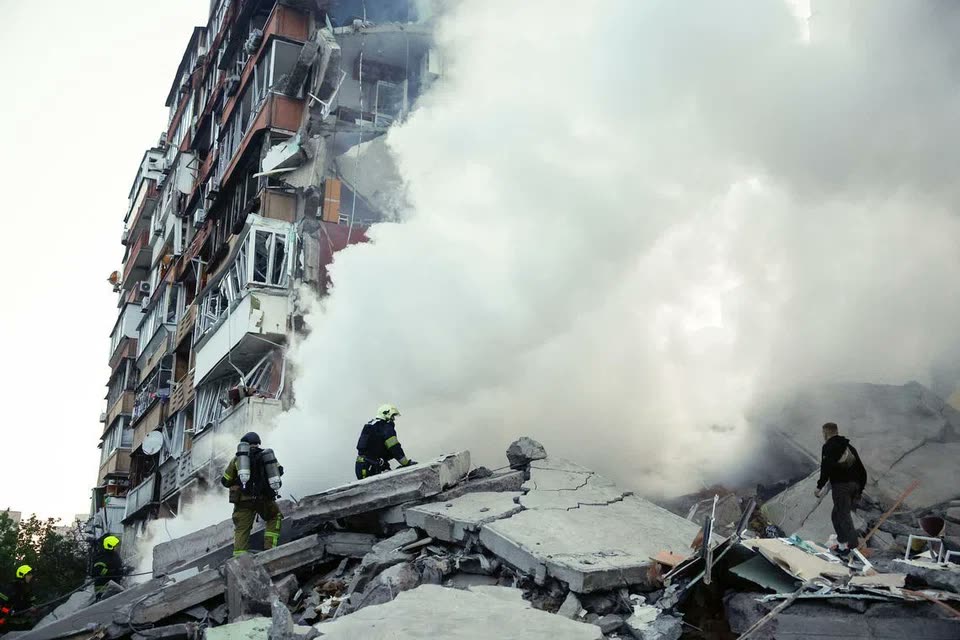
The operation that followed the Hebron attack has already been extensive. The army said it operated in 40 areas across the West Bank on Friday and Saturday and apprehended approximately 40 suspects. The human cost on the Palestinian side is also becoming clearer: Hebron mayor Yousef al-Jabari said some 2,200 people had been forced from their homes since the raids began on Friday, a figure Defence Minister Israel Katz confirmed.
Displacement on that scale, even if described by the military as temporary, disrupts schooling, work and access to services across the Hebron area. It also feeds the broader grievance that has made the West Bank a central, if often secondary, theme of this election: for many voters inside Israel, the territory is a security question; for Palestinians living there, it is daily life under military rule.
An election fought on security
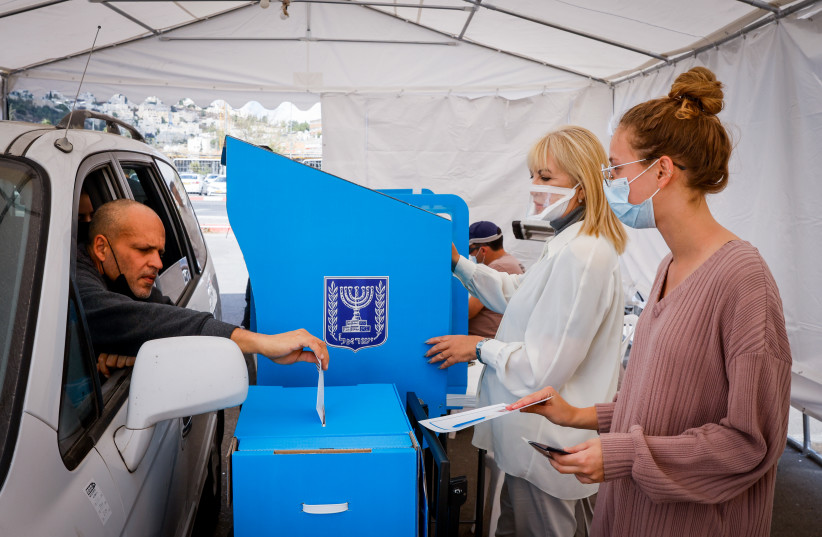
Tuesday's vote is a parliamentary election, and Netanyahu — Israel's longest-serving prime minister — faces a tough battle to secure a new term. His pitch has long rested on security, but that reputation was damaged by the Hamas attack of October 7, 2023, in which more than 1,200 Israelis were killed. The Israeli invasion of Gaza that followed has left more than 73,000 Palestinians dead, many of them civilians, according to figures cited in the Deutsche Welle report.
That history frames the current moment. A prime minister asking voters to trust him on security is now overseeing a West Bank operation he has described in historic terms, days before polling day. Opponents will ask whether the escalation demonstrates control or a loss of it; supporters will argue it shows resolve. Either way, the election-day closure ensures the West Bank will be felt, not just debated, on Tuesday — by the workers turned back at crossings and by the communities living through the raids.
What happens on Tuesday — and what is still unclear
What is certain is the shape of the day: crossings closed, worker passage banned, and an election under way inside Israel. What is not yet clear is how strictly the closure will be enforced at individual crossing points, whether any case-by-case exceptions will emerge in practice, and when exactly movement returns to normal. The answers will come from the ground on Tuesday, not from the announcement.
The longer question outlasts the election. A one-day closure is, by itself, a limited measure. But it sits inside a larger pattern — an operation displacing thousands, a campaign fought on security, and a vote that will decide who governs Israel next. Whether Tuesday's closure is remembered as a footnote to that vote or as the start of a harsher West Bank policy depends on what the next government does after the ballots are counted.
Key takeaways
- All land crossings between Israel and the West Bank will be closed throughout election day, Tuesday, October 27.
- Palestinian workers face a ban on entry to and exit from Israel, and from Sunday cannot enter Israeli communities in the West Bank and Jordan Valley for work.
- No reopening time and no exception were mentioned in the announcement as reported.
- The closure follows a deadly attack near Hebron on Friday in which two Israeli soldiers were killed and three injured, according to the IDF.
- Some 2,200 people have been forced from their homes since Friday's raids began, according to Hebron's mayor, a figure the defence minister confirmed.
- The vote is a parliamentary election in which Netanyahu faces a tough fight for a new term, with his security record under scrutiny after October 7, 2023.
Frequently Asked Questions
When will the West Bank crossings be closed?
Throughout election day on Tuesday, October 27. The announcement as reported gives no reopening time, so it is not yet clear when normal passage resumes.
Who announced the closure?
The Israel Defense Forces, in an announcement made on Sunday, October 25. The closure covers all land crossings between Israel and the West Bank.
Does the closure stop Palestinians from voting?
No. Palestinians in the West Bank do not vote in Israeli parliamentary elections. The closure's direct effect is on movement and work, including a ban on Palestinian workers entering Israel.
What triggered the closure?
The announcement came amid an ongoing Israeli military operation in the West Bank following a deadly attack near Hebron on Friday, in which two Israeli soldiers were killed and three others injured, according to the IDF. No separate, explicit rationale for the election-day closure itself was stated in the report.
How many people have been displaced by the West Bank operation?
Hebron mayor Yousef al-Jabari said about 2,200 people had been forced from their homes since the raids began on Friday, a figure Defence Minister Israel Katz confirmed.
Sources
- Deutsche Welle — "Israel to close all West Bank land crossings on election day" (reporting with AFP and Reuters)