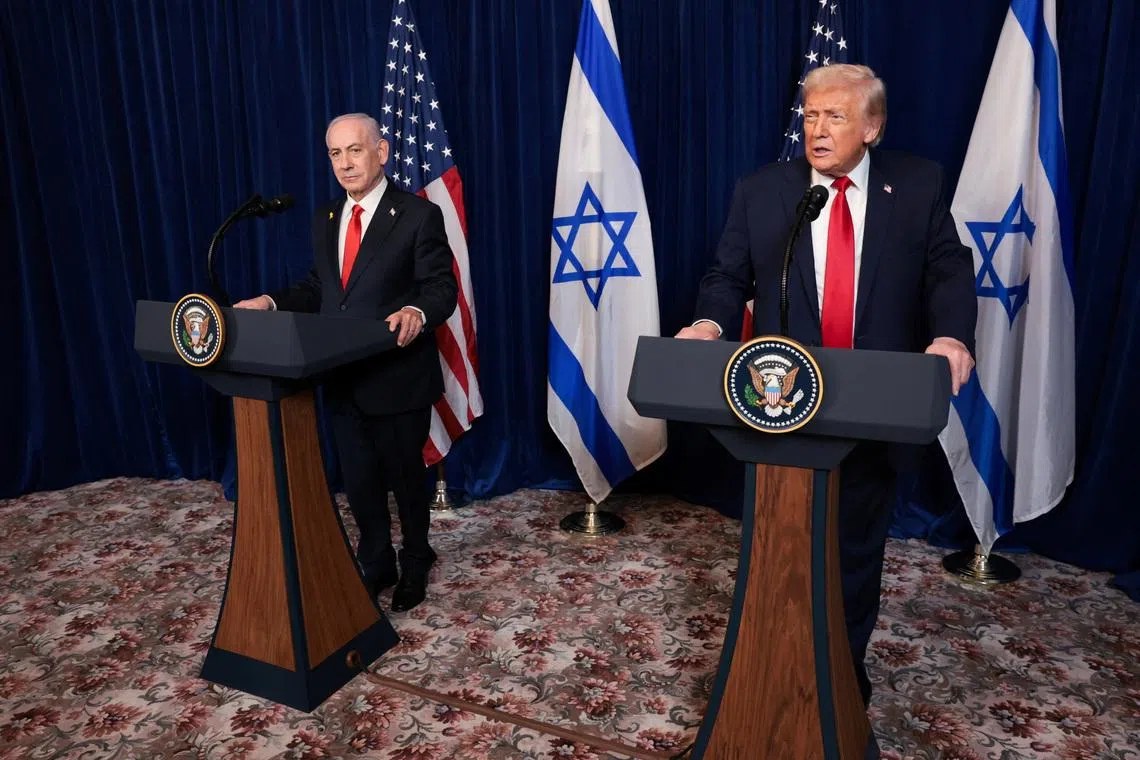
After weeks of telling silence, Donald Trump has chosen his side. The US president took to Truth Social on Sunday to give Israeli Prime Minister Benjamin Netanyahu his "Complete and Total Endorsement" ahead of Israel's parliamentary elections on October 27, describing him as a "Strong, Brave, and Brilliant" leader. The intervention lands nine days before Israelis vote in a race the incumbent is at serious risk of losing — and it reframes a relationship that has swung between embrace and irritation throughout Trump's second term.
Table of Contents
- What Trump said — and why it matters now
- The road here: silence, hedging and reported rifts
- The war with Iran hangs over everything
- A close race at home: Eisenkot's opposition bloc
- The American angle: midterms loom
- Frequently Asked Questions
What Trump said — and why it matters now
Trump's Sunday post was effusive even by his standards. Netanyahu, he wrote, had stood with the United States in the war against Iran, and would "never let you down". The president framed the Israeli vote as a US national-security question too: "If Israel has the wrong Leader, which would be anyone other than Bibi, America will have to do this work ourselves, and I am not inclined to do so," he wrote, referring to the continuing confrontation with Iran, which he described as "systematically destroyed, both Militarily and Financially".
An American president endorsing a candidate in an allied country's election is far from unprecedented — Trump has done it in Argentina, Brazil and elsewhere this cycle — but the timing carries weight. With little more than a week to go, the endorsement hands Netanyahu a powerful campaign asset: the visible backing of Israel's most important ally, at a moment when Israeli voters are weighing whether the country's international standing has been strengthened or strained by his leadership.
The road here: silence, hedging and reported rifts
What makes the endorsement newsworthy is precisely that it did not look inevitable. Earlier this month, when pressed in a Time magazine interview about Netanyahu's performance, Trump conspicuously refused to endorse him — deflecting instead toward his own standing and the state of Middle East security. The hesitation fuelled weeks of speculation that the White House might sit out the Israeli contest altogether, or even that the relationship had soured beyond repair.
And there is real history behind that speculation. The two men have met more than half a dozen times since January 2025, but reports have repeatedly described friction — including over the conduct of the war against Iran. In June, Trump acknowledged that he had called Netanyahu "f***ing crazy" during a phone call in which he urged him to stop Israeli strikes on Lebanon, an attempt to preserve a short-lived April ceasefire with Iran. For Netanyahu, Sunday's endorsement papers over those episodes; for Trump, it resolves the ambiguity without explanation.
The war with Iran hangs over everything
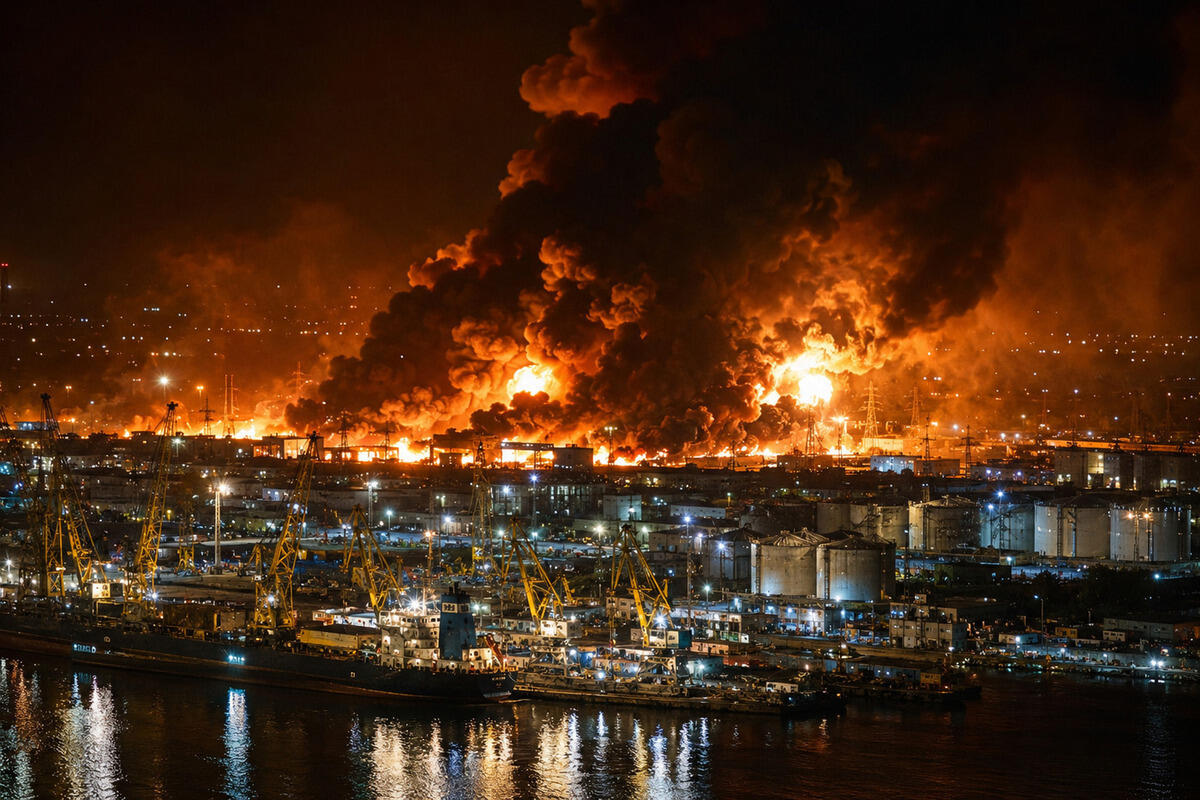
The February 28 launch of the joint US-Israeli war against Iran — documented in our earlier coverage of Israel's internal fractures and civil-war warnings — is the defining backdrop of this election. The conflict has upended global energy markets, and it has cost Trump badly at home: a Pew Research Center poll this month found roughly two-thirds of American voters disapprove of his handling of the war, driven by higher fuel prices and worries about depleted military stockpiles.
Trump's argument in the endorsement is that the war would have happened regardless — that Iran would have attacked both the US and Israel eventually — and that it should now be seen through. Netanyahu's opponents see it differently: as a conflict that has isolated Israel, drained resources and produced no clear endgame. How voters judge that record will shape the October 27 result more than any foreign endorsement.
A close race at home: Eisenkot's opposition bloc
Netanyahu's Likud party and its far-right coalition partners face a genuine threat: an opposition bloc headed by Yashar party leader Gadi Eisenkot, the former IDF chief of staff whose security credentials neutralise Netanyahu's traditional advantage on defence. Polls have pointed to a tight contest, with neither camp commanding a clear path to a governing majority — the familiar Israeli coalition arithmetic that has produced political deadlock before.
That deadlock risk is part of why Trump's words carry unusual resonance. A Netanyahu defeat would likely produce a government less aligned with the White House's approach to Iran — precisely the scenario Trump warned against in his post. Whether foreign endorsements help or hurt in Israel's historically sovereignty-sensitive electorate is another question: American interventions have backfired with Israeli voters before.
The American angle: midterms loom
Trump is not acting in a vacuum. His Republican Party faces a critical midterm election on November 3 that will decide control of Congress, and the war with Iran is among the administration's biggest vulnerabilities. Tying the conflict's credibility to Netanyahu's survival is, in part, a way of sharing ownership of it: if the Israeli leader is validated by voters, the war looks less like Trump's solitary gamble.
But the gamble cuts both ways. If Netanyahu loses on October 27 — or if the war's trajectory worsens — Trump will own a relationship and a conflict that he has spent months publicly hedging about. Sunday's post was designed to end the speculation about where he stands. It may, in the end, simply fix his signature more firmly to an outcome he cannot control.
Frequently Asked Questions
When is the Israeli election?
Israel's parliamentary elections are scheduled for October 27, 2026 — nine days after Trump's endorsement. Incumbent Prime Minister Benjamin Netanyahu's Likud party and its far-right coalition face an opposition bloc led by Yashar party head Gadi Eisenkot.
Why did Trump hesitate to endorse Netanyahu earlier?
In a Time magazine interview earlier in October, Trump repeatedly declined to endorse Netanyahu when asked about his performance, deflecting to other topics. Analysts speculated the reluctance reflected a perception that Israel had drawn the US into the war with Iran — a conflict that has become politically costly for Trump at home.
What has been the reported friction between the two leaders?
The two have met more than half a dozen times since January 2025, but reports describe disagreements over the war with Iran. Trump acknowledged calling Netanyahu "f***ing crazy" in a June phone call about Israeli strikes on Lebanon, and urged him to hold back to preserve an April ceasefire with Iran.
How is the Iran war affecting Trump's own political standing?
A Pew Research Center poll this month found roughly two-thirds of US voters disapprove of Trump's handling of the war against Iran, which has driven up consumer fuel prices and raised concerns about military stockpiles. His Republican Party faces midterms on November 3.
Source: Al Jazeera