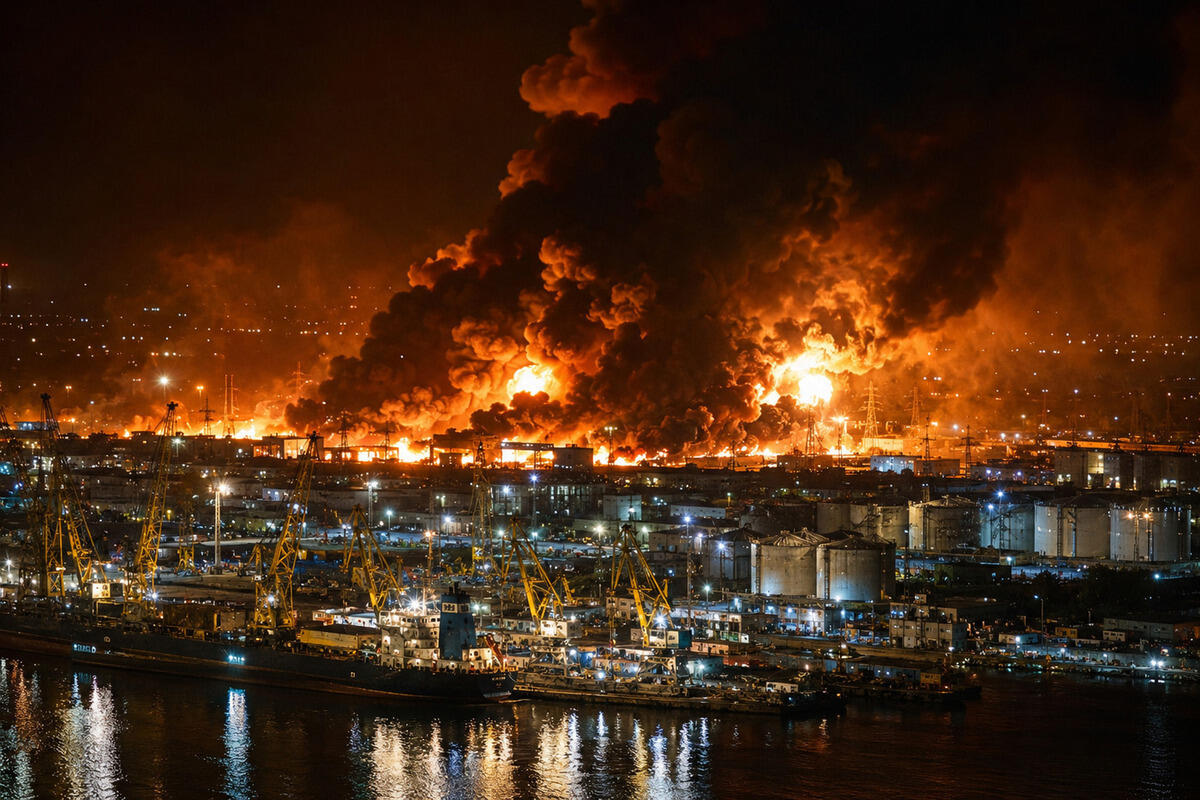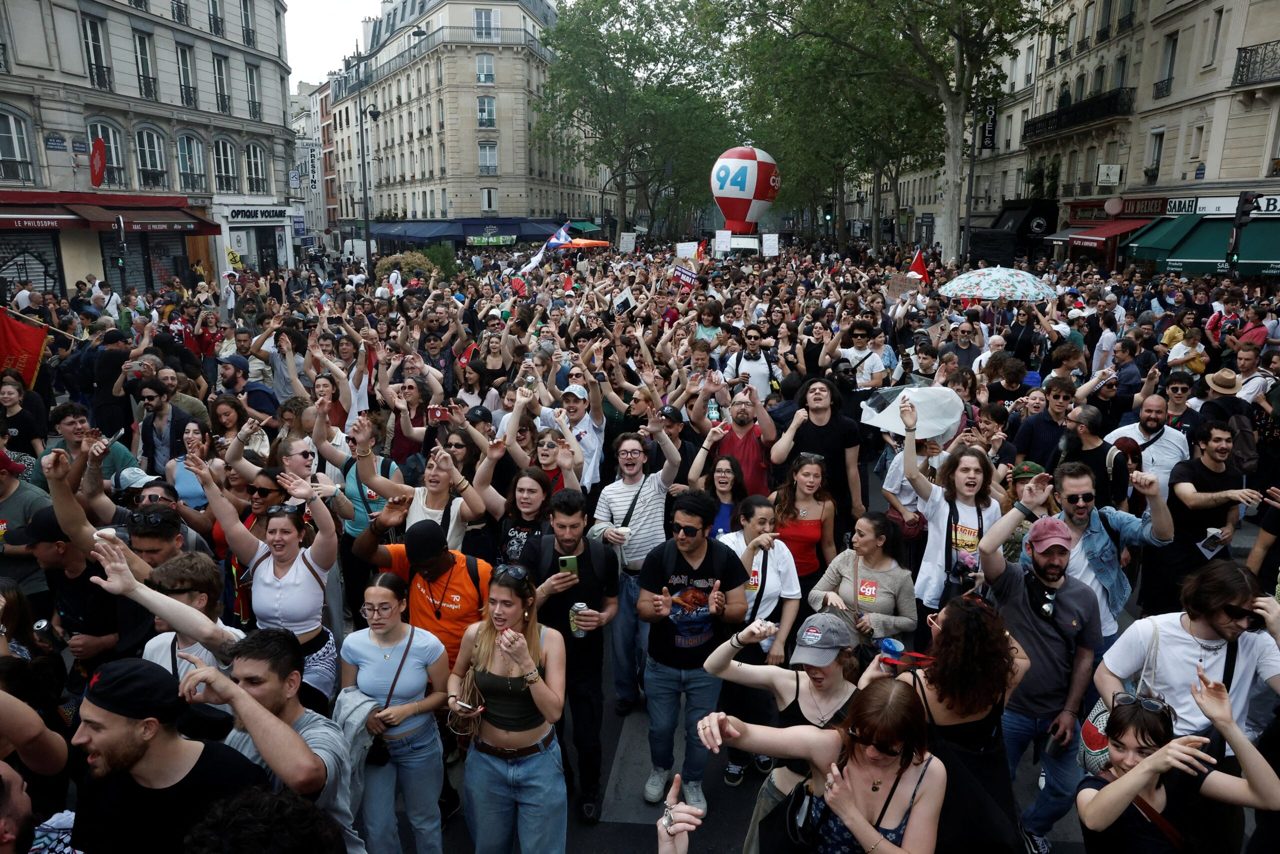
President Emmanuel Macron will address the nation at 8pm local time on Sunday, October 18, after meeting with top government officials in an emergency session this afternoon. The televised speech comes as France reels from one of its most violent days of unrest in years: nationwide protests against the rising cost of living and deteriorating public services erupted into riots on Saturday, leaving one protester dead, more than 2,000 people arrested and over 600 police officers, firefighters and gendarmes injured, according to the Interior Ministry.
Table of contents
- A night of wreckage across France
- The emergency meeting and the 8pm address
- From school blockades to a national crisis
- International reactions pile on
- Frequently Asked Questions
A night of wreckage across France
Saturday's demonstrations began largely peacefully. More than 550,000 people joined marches in scores of cities, according to the Interior Ministry — organisers put the figure closer to 800,000. But as night fell, violent fringe groups targeted public buildings, looted shops and attacked police vehicles and officers in Paris, Marseille, Lyon, Bordeaux and Strasbourg.
The toll, according to Reuters: one protester died of cardiac arrest during the Paris demonstrations, where police made a record 855 arrests; more than 500 officers were injured across the country. Interior Minister Laurent Nuñez later updated the figures on X, saying more than 2,000 people had been arrested nationwide and more than 600 officers, firefighters and paramedics injured.
The damage was extensive. In Limoges, central France, the city's 143-year-old town hall was largely destroyed in an arson attack that the local prefect called deliberate — a fire that sent its roof collapsing. A tourist office in Lyon was burnt down, and in Bordeaux a masked mob invaded the residence of the local prefect. About 1,500 shops and retailers were damaged, the head of the Retail and Trade Federation told LCI television, while Nuñez said several hundred shops had been hit.
In Paris, smashed shop windows, burnt-out rental bicycles and spray-painted slogans bore witness to a day that started with peaceful marches and descended into looting, the Straits Times reported. Stores selling trainers or smartphones were a particular target, The Times noted, and cars were torched on the Champs-Élysées before riot police deployed tear gas and water cannon.
Dutch entrepreneur Tije De Boer, in Paris with his children, told Reuters: "It's like a war zone here." The protests forced him to evacuate his hotel at Place de la République, which suffered major damage.
The emergency meeting and the 8pm address
The Élysée Palace said Macron will hold an emergency meeting with top government officials on Sunday afternoon before addressing the nation at 8pm (1800 GMT), Al Jazeera reported. The address comes with less than a year to go before the 2027 presidential election, and ministers have already blamed "ultra-left" groups for the violence.
Interior Minister Laurent Nuñez struck a firm line on X: "The right to protest is a fundamental right. Deliberately and collectively sowing disorder through violence is not," pointing to the looting of hundreds of businesses in cities including Paris, Marseille, Lyon and Bordeaux, the Times of Israel live blog reported.
For Macron, who has already cycled through multiple prime ministers in a deadlocked parliament, the address is a high-stakes gamble: he must reassure a frightened country and a furious business community while avoiding concessions that his fragile government cannot deliver. The far-right National Rally is currently leading in the polls ahead of the presidential vote.
From school blockades to a national crisis
Saturday's day of action marked the convergence of a month-long student movement with broader social discontent against rising living costs and declining public services. High-school students blockaded schools over deteriorating conditions; unions and cost-of-living demonstrators joined them in the streets, creating the "crossroads of anger" the French press had warned about all week.
The movement began as a viral TikTok call on September 8 and has been amplified online ever since, drawing support from the CGT union, France Unbowed and prominent figures from the 2018 yellow-vest movement. Read our full coverage of the build-up in France braces for nationwide 'day of anger' and the fallout in France protests aftermath: Limoges town hall fire.
International reactions pile on
The violence drew pointed reactions from abroad. US President Donald Trump blamed immigration for the unrest, writing on Truth Social: "France is burning! The immigration of people from an entirely different world, people with hatred in their hearts, has shattered that once great country. Close your Borders and take control, before it is too late!" More on Trump's intervention in Trump blames France student protests on Islam and migration.
A massive clean-up operation began on Sunday morning in cities from Lille in the north to Marseille in the south and Strasbourg in the east — and the country now waits to hear what its president will say when he appears on screens at 8pm.
Frequently Asked Questions
When is Macron addressing the nation?
President Emmanuel Macron will give a televised address to the nation at 8pm local time (1800 GMT) on Sunday, October 18, 2026, following an emergency meeting with top government officials that afternoon, according to the Élysée Palace.
How many people were arrested during the France protests?
Interior Minister Laurent Nuñez said more than 2,000 people were arrested across France during the October 17 nationwide demonstrations, including a record 855 in Paris. More than 600 police officers, firefighters, gendarmes and paramedics were injured.
Did anyone die in the protests?
Yes. One protester died after suffering a cardiac arrest during demonstrations in Paris. The Paris prosecutors' office says it is investigating the death, and further details have not been released.
What was damaged during the protests?
About 1,500 shops and retailers were damaged nationwide, according to the Retail and Trade Federation. The 143-year-old town hall in Limoges was largely destroyed by arson, a tourist office in Lyon was burnt down, and a masked mob invaded the prefect's residence in Bordeaux. Multiple buildings were torched in Paris, Marseille, Lyon and Strasbourg.
Why are people protesting in France?
The protests began as a month-long student movement over conditions in schools and merged with wider anger over the rising cost of living and declining public services. The demands are a patchwork — better schools, relief from inflation, opposition to frozen benefits and public-sector salaries under the draft budget — united by a shared target: a government widely seen as exhausted.