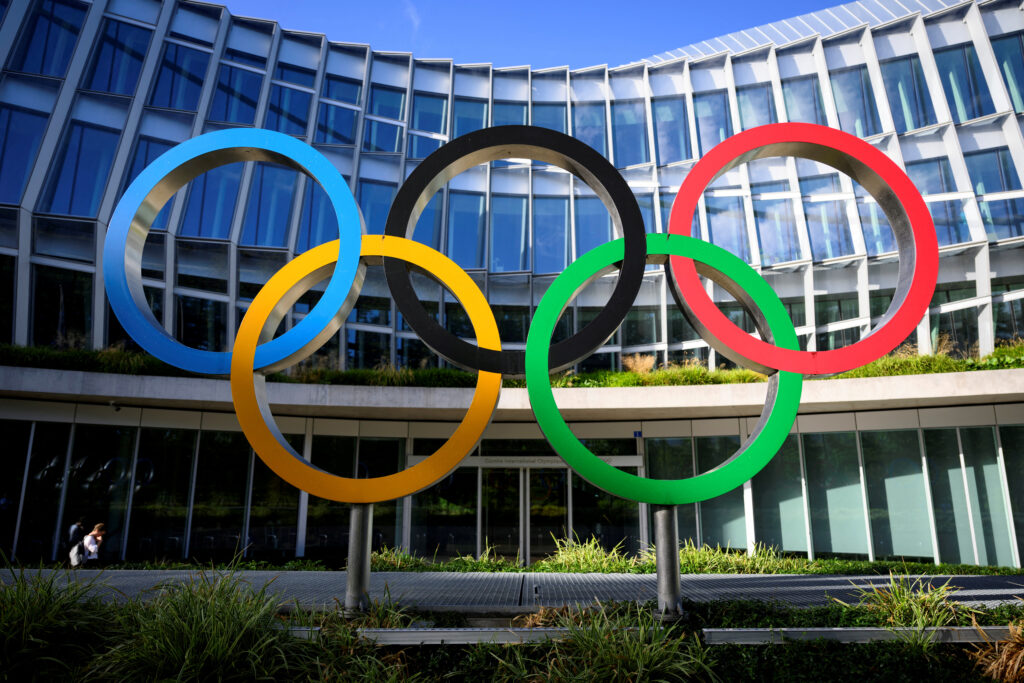
The International Olympic Committee is shutting down 12 of its 31 permanent commissions, including those dedicated to human rights and gender equality, in the most sweeping structural overhaul of the Olympic movement in years. Announced Friday in Lausanne, the move leaves 19 commissions in place and replaces the dissolved bodies with smaller, ad hoc expert working groups appointed as needed — a pivot president Kirsty Coventry says will deliver "targeted engagement on key strategic priorities and policy development."
The decision, reported by the Associated Press, cuts through some of the most politically visible arms of the IOC. Among the bodies being scrapped: the IOC Advisory Committee on Human Rights, chaired by Phumzile Mlambo-Ngcuka, the former deputy president of South Africa; the Gender Equality, Diversity and Inclusion Commission; and commissions covering sustainability, technology and technical innovation, athletes' entourage, and digital engagement. The full list of discontinued bodies also includes Culture and Olympic Heritage, Olympic Education, the Olympic Programme, Olympism365, Public Affairs and Corporate Communications, and Revenues and Commercial Partnerships, according to the IOC's official announcement.
The commissions typically comprised 10 to 30 members who gathered in the IOC's home city of Lausanne for annual meetings — a governance model the committee now frames as slow and expensive.
Coventry's Second-Year Rewiring
Kirsty Coventry, the former Olympic swimming champion now in her second year as IOC president, had already been moving in this direction. In March, a review of "protection of the female category" in sports was handed to an expert panel whose membership was kept confidential — bypassing the in-house Gender Equality, Diversity and Inclusion Commission entirely. That commission will now be formally shut down.
The new model builds on that precedent: instead of standing bodies with fixed membership, the IOC will create dedicated working groups "on an ad hoc basis, as and when needed," the committee said in its statement. The IOC frames the change as adding flexibility in drawing on subject-matter expertise while strengthening its ability to respond to specific challenges through "focused, purpose-driven collaboration."
Continuing commissions — the institutional core Coventry is keeping intact — include the Athletes' Commission, Ethics Commission, Finance Commission, the Future Host Commissions for both the summer and winter Games, the Health, Medicine and Science Commission, Legal Affairs, Olympic Solidarity, and the boards governing Olympic Broadcasting Services and the Olympic Channel, per the IOC's full list.
The overhaul also lands at a busy moment for the IOC's host-city pipeline: bidding for the 2036 Olympics continues to draw seven candidates, with Qatar and India among the most prominent.
Why It Matters
On paper, this is streamlining and cost-cutting. In practice, it shifts how the Olympic movement handles some of its most sensitive questions. Permanent commissions are public bodies with published membership; ad hoc working groups — like the confidential panel that reviewed the female-category rules — can operate without that transparency.
The human rights committee in particular had become a lightning rod. Its chair, Mlambo-Ngcuka, is a heavyweight figure in international affairs, and its dissolution — along with the gender-equality body — will be read by critics as the IOC stepping back from the values-focused governance it had been building over the past decade.
Supporters of the change will counter that the old structure was bureaucratic: 31 standing commissions, each with dozens of members flying into Lausanne once a year, is a heavy machine for an organisation that prides itself on agility. Coventry's argument is that expertise on demand is better than expertise on retainer.
The Debate Ahead
The transition raises several live questions. Who decides which experts sit on the ad hoc panels, and will their names be published? What happens to work already in progress in the dissolved commissions — does it transfer, or does it stall? And will the absence of a standing human-rights body weaken the IOC's ability to vet host cities on labour and civil-liberties grounds?
For now, the answers are procedural rather than reassuring. The IOC says the transition is "designed to provide greater flexibility in engaging subject-matter expertise" — corporate language that will satisfy almost no one. The real test will come the first time one of the new working groups delivers a recommendation on a politically charged issue: whether it publishes its reasoning, its membership, and its disagreements will determine whether this was a modernisation or a quiet concentration of power in the president's office.
What is certain is that the IOC that emerges from this shake-up will look different from the one Coventry inherited. Fewer standing committees, more presidential discretion, and a governance model built around flexibility rather than permanence. Whether that makes the Olympic movement more effective or less accountable is the argument that will now run for years.
Frequently Asked Questions
Which 12 IOC commissions are being shut down?
The discontinued bodies are: the IOC Advisory Committee on Human Rights; the Gender Equality, Diversity and Inclusion Commission; Athletes' Entourage; Culture and Olympic Heritage; Digital Engagement and Marketing Communications; Olympic Education; the Olympic Programme; Olympism365; Public Affairs and Corporate Communications; Revenues and Commercial Partnerships; Sustainability and Legacy; and Technology and Technical Innovation.
Who is replacing the commissions?
The IOC will create smaller, dedicated working groups on an ad hoc basis as issues arise, rather than maintaining standing commissions with fixed annual membership. President Kirsty Coventry has already used this model for sensitive reviews, including the March review of female-category eligibility rules.
Why is the IOC doing this?
The committee describes the change as streamlining and cost-cutting: reducing 31 commissions to 19 will mean fewer standing bodies with 10–30 members meeting annually in Lausanne, replaced by targeted expert engagement on specific priorities.
Who is Kirsty Coventry?
Coventry is a former Olympic swimming champion from Zimbabwe who became IOC president in 2025. She is in her second year in the role and has favoured smaller working groups over permanent committees for key policy questions since taking office.
Where can I read the original reporting?
The Associated Press reported the story on Friday from Lausanne, via Arab News, and the IOC published its own announcement on Olympics.com. The Manila Times also carried the AP report.