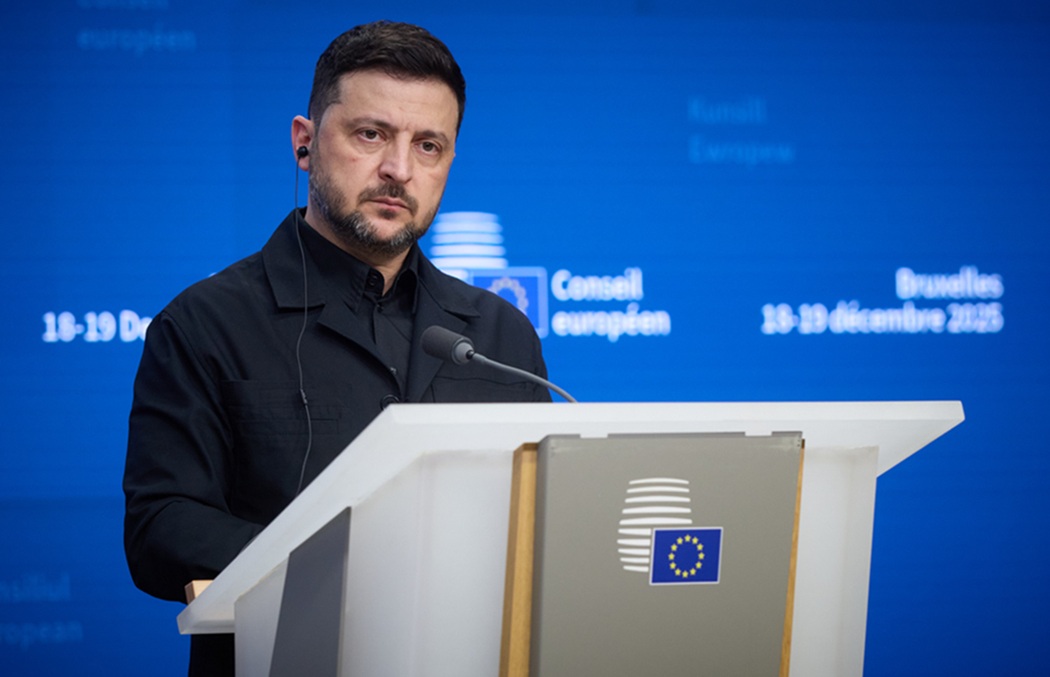
President Donald Trump said the United States may have to strike Pickaxe Mountain, a fortified underground site linked to Iran's nuclear program, in a Thursday-night interview with Newsmax reported by Reuters. At the same time, Trump drew two clear red lines: no nuclear weapons, and no American ground troops in Iran.
"Their nuclear is buried under millions of tons of mountain. Now we're looking at Pickaxe Mountain. We may have to go there. We'll take a shot at that one. We'll knock it out fast," Trump told the outlet. He framed the objective in absolute terms: Washington must make sure Iran never obtains a nuclear weapon, "because if they had it, they would use it."
The remarks sharpen — and complicate — Washington's posture toward Tehran as the US-Israeli war on Iran, which began in February, enters a tense autumn. Only last week, Trump said the US would not attack Iran before the November 3 midterm elections. Yet as CBS News has reported, the White House and the Pentagon have already drawn up strike plans for Iranian energy, infrastructure, and nuclear targets — plans the Pentagon has separately been told to complete, as our earlier report on CENTCOM's preparations detailed.
What is Pickaxe Mountain?
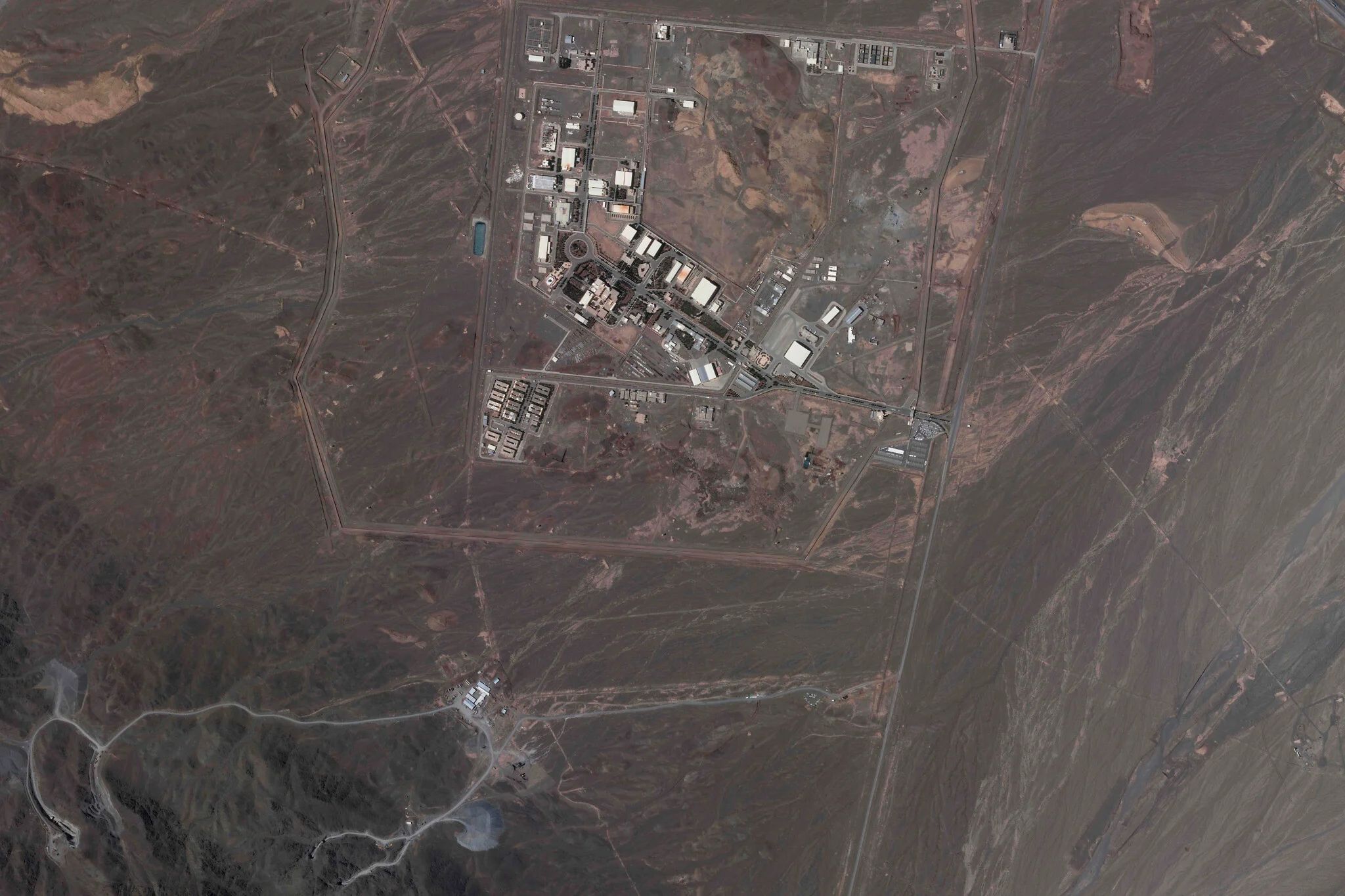
Pickaxe Mountain — known in Iran as Kuh-e Kolang — is a tunnel complex carved into a mountain a few miles from the Natanz nuclear site. Tehran declared it a centrifuge assembly site in 2021, and analysts estimate it sits roughly 100 metres underground.
That depth is the point. Most of Iran's above-ground nuclear infrastructure has already been struck during this year's war. Pickaxe Mountain is widely described as the last significant nuclear-linked site in the country to have escaped serious damage — and analysts have cautioned that even the heaviest US bunker-busting bombs may not guarantee its destruction.
The MOAB question
The interview came hours after CNN reported, citing US officials, that the military has developed new strike plans against Iran's energy infrastructure and nuclear facilities that could include the GBU-43/B Massive Ordnance Air Blast bomb — the MOAB, the largest non-nuclear weapon in the American arsenal.
Trump neither confirmed nor denied authorising the MOAB's use. Instead, he spent time explaining what it is not: a nuclear weapon. "The mother of all bombs is not nuclear. It's not nuclear at all. This is just an extremely large bomb," he said. "It's like a tiny nuclear bomb. But the mother of all bombs is one big bomb, but it's not nuclear."
The MOAB weighs roughly 21,600 pounds (9.8 metric tons) and carries about 8,500 kilograms of H6 explosive. It first saw combat in April 2017, during Trump's first administration, when US forces dropped it on an Islamic State tunnel complex in Afghanistan.
Two red lines, one open door
Trump's explicit exclusions were striking for their clarity. Asked about nuclear weapons against Iran, he said: "No, I wouldn't use nuclear. We don't have to. We're the greatest nuclear power in the world." He also reiterated that he is not considering US ground troops in Iran.
But ruling out nukes and troops narrows the options without removing air strikes from the table. Asked why Washington would not simply declare victory and leave, Trump answered: "Well, we could. But if we do that within a year we may have to do it again. We want to make it so that they will never have a nuclear weapon."
The interview also touched on diplomacy: Trump said he is talking to Russia and China about denuclearisation, without giving details — a line of outreach our report on Trump's denuclearisation talks examined earlier this week. That outreach contrasts sharply with his criticism of Moscow at the EU summit this week, underscoring how fluid the diplomatic picture remains.
Tehran and Tel Aviv react
Tehran has warned of an immediate response to threats against its energy facilities, Times Now reported — a reminder that any strike on Pickaxe Mountain risks a wider retaliation.
In Israel, the security establishment raised its alert level on Wednesday to the highest point in months, jfeed reported, after intelligence assessments pointed to a possible Iranian attack. The alert underscores how tightly the two fronts are linked: any US move against Iran's nuclear sites would almost certainly draw Israeli involvement.
Meanwhile, the economic backdrop is deteriorating. Disruption in the Strait of Hormuz continues — a BBC Verify analysis cited in Friday's briefs found a record 12 ships reported attacks in and around the strait from October 5 to 11 — keeping US crude near $97 a barrel and raising fuel costs weeks before voters head to the polls. See our coverage of the seven conditions behind the Hormuz standoff.
Why this matters
The significance of Thursday's remarks lies in their precision. Trump named a specific target, for the first time drawing public attention to a single fortified site — while simultaneously telling voters he would not cross the two lines that matter most to them: nuclear war and American boots on the ground.
The mixed signals are the message. Last week: no attack before the midterms. This week: CENTCOM finishing strike preparations, CBS reporting bomb plans, and now the president himself naming Pickaxe Mountain. Whether the threat is leverage for negotiations or the preamble to action may become clear quickly — Israel's own elections loom at the end of the month, and November 3 is less than three weeks away.
Frequently Asked Questions
What is Pickaxe Mountain?
Pickaxe Mountain (Kuh-e Kolang) is a complex of tunnels built into a mountain a few miles from Iran's Natanz nuclear site. Iran declared it a centrifuge assembly site in 2021, and analysts estimate it is buried about 100 metres underground. It is widely described as the last significant nuclear-linked site in Iran to have escaped strikes during this year's war.
What exactly did Trump say?
In a Thursday-night Newsmax interview, Trump said the US "may have to" strike Pickaxe Mountain to ensure Iran never gets a nuclear weapon: "We'll take a shot at that one. We'll knock it out fast." He ruled out using nuclear weapons and ruled out US ground troops in Iran.
Has the US authorized the MOAB against Iran?
Trump neither confirmed nor denied authorising the GBU-43/B Massive Ordnance Air Blast bomb. CNN reported, citing US officials, that US military strike plans could include the weapon if Trump orders renewed combat operations. Trump emphasized the MOAB is not a nuclear bomb.
Why is analysts' caution about destroying the site important?
Analysts have warned that even the heaviest US bunker-busting bombs may not guarantee the destruction of a facility buried roughly 100 metres under solid mountain. The technical difficulty of the target is part of why the threat is so significant.
How does this relate to last week's statements?
Last week, Trump said the US would not attack Iran before the November 3 midterm elections. The Pentagon has since been told to finish preparations for renewed combat operations, CBS News reported prepared strike plans, and now Trump has named a specific target — a rapid sequence of escalating signals. See our report on Trump's earlier reversal.