The race for the 2036 Summer Olympics has moved from rumour to reality. The International Olympic Committee has confirmed that seven countries are in formal talks to host the Games — Germany, India, Qatar, South Korea, Hungary, Turkey and South Africa — ending months of speculation and giving the candidates their first official timeline toward a final vote in 2029.
Contents
- Seven bidders, one prize
- Munich's long road to 2036
- The frontrunners and the field
- The IOC's timeline
- Key takeaways
- Frequently Asked Questions
- Sources
- Further reading
Seven bidders, one prize
According to Al Jazeera, the IOC confirmed on Tuesday that India, Qatar, South Africa, South Korea, Germany, Hungary and Turkey are all in preliminary dialogue about hosting the 2036 Games. Late arrivals still have until October 31 to declare an interest, though with less than four weeks remaining, new candidates look unlikely, Reuters reports.
India and Qatar have long been seen as the frontrunners in a contest the IOC plans to decide by a contested vote of its 100-plus members in mid-2029. Both nations have deep pockets and experienced organisers — but the field is genuinely competitive for the first time, and Munich's formal candidacy gives Europe a serious player.
The IOC also published a 30-page guidance document for the bidders, mapping out the next two and a half years of decision-making. Its president, Kirsty Coventry — a two-time Olympic swimming champion from Zimbabwe — struck a deliberate tone: "Wherever the Games take place, one thing must never change: athletes have to be at the heart of everything we do."
Munich's long road to 2036
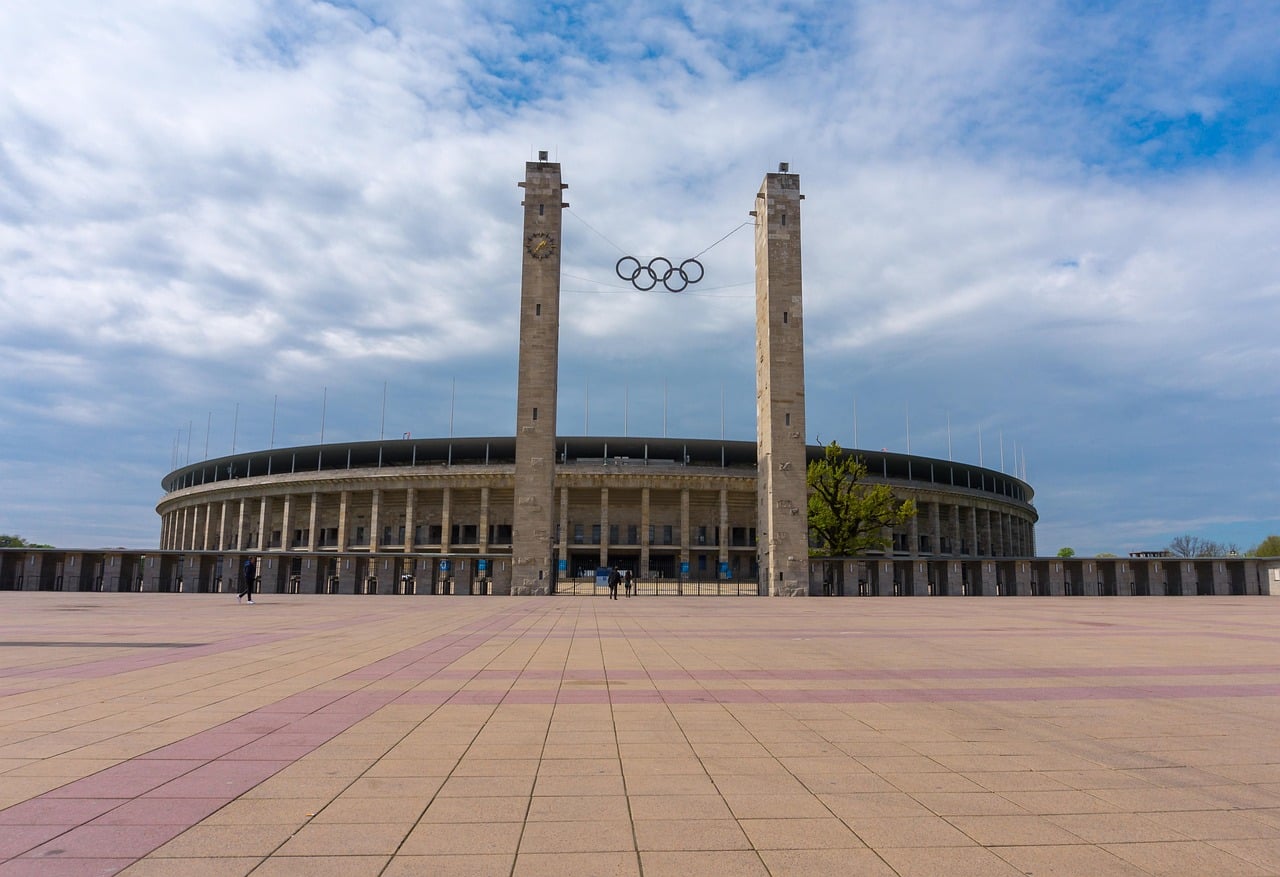
Germany's National Olympic Committee voted last month to select Munich as its candidate city. The choice carries heavy symbolism: the 2036 Games would arrive exactly a century after the infamous 1936 Berlin Olympics, which were staged by the Nazi regime.
Munich previously hosted the 1972 Summer Games, and its bid planners have produced detailed early numbers. The overall budget is projected at roughly €10 billion, with about €5 billion allocated to organising the event itself — to be covered by ticket sales, sponsors and IOC subsidies — and another €5 billion earmarked for infrastructure such as accelerating the second S-Bahn main line, renovating the main station and building the Olympic village. According to Deutsche Welle, Munich would also remain the German Olympic committee's candidate for the 2040 or 2044 editions should an Asian city win 2036.
Support from the German government appears firm. Finance Minister Lars Klingbeil issued what has been dubbed an "Olympic guarantee" in February, declaring that Germany wants the Games back and can afford them. DOSB president Thomas Weikert remains confident, saying Germany can "make a good offer" — while conceding that influencing the IOC's final decision is "difficult."
The frontrunners and the field
India's bid centres on Ahmedabad, in Prime Minister Narendra Modi's home state of Gujarat, which will host the 2030 Commonwealth Games — widely seen as a dress rehearsal — and already boasts the world's largest cricket stadium. South Africa hopes to bring the Olympics to Africa for the first time, building on its experience hosting the 2010 FIFA World Cup.
Qatar, host of the 2022 football World Cup, would become the first Muslim-majority country to stage the Games, though extreme Gulf summer heat means the event would almost certainly have to move out of its traditional July–August slot. South Korea's bid is anchored in Seoul — host of the 1988 Games — while Istanbul is making its sixth attempt and Budapest is trying again after its unsuccessful 2024 bid.
The IOC's timeline
The process is now structured and slow by design. The IOC's executive board will draw up a shortlist in March 2027; the surviving candidates then enter a strategic dialogue phase, with preferred hosts named in 2028 and the final decision expected in mid-2029. Munich and its rivals must submit detailed plans and financial guarantees well ahead of the March shortlist. Until then, the field can still change — but for the first time, the 2036 race has a start line.
Key takeaways
- The IOC has confirmed seven bidding countries for 2036: Germany, India, Qatar, South Korea, Hungary, Turkey and South Africa.
- Munich is Germany's official candidate; a shortlist arrives in March 2027, with the final vote in mid-2029.
- India (Ahmedabad) and Qatar (Doha) are widely seen as the frontrunners, with Africa and Europe hoping to upset the odds.
Frequently Asked Questions
Which countries are bidding for the 2036 Olympics?
The International Olympic Committee has confirmed seven countries in formal talks: Germany (Munich), India (Ahmedabad), Qatar (Doha), South Korea (Seoul), Hungary (Budapest), Turkey (Istanbul) and South Africa. Other countries have until October 31, 2026 to declare an interest.
Why is Munich bidding for 2036?
Germany's National Olympic Committee selected Munich as its candidate city in September 2026. The city hosted the 1972 Summer Games, and the 2036 edition would fall exactly 100 years after the 1936 Berlin Olympics. Planners estimate total costs of about €10 billion, with the German government offering an "Olympic guarantee" of support.
When will the 2036 Olympic host be decided?
The IOC will shortlist candidates in March 2027, name preferred hosts in 2028, and hold a final vote of its 100-plus members in mid-2029. The process follows the strategic-dialogue model the IOC has used since the Brisbane 2032 award.
Who are the favourites to host the 2036 Olympics?
India and Qatar have long been regarded as the frontrunners — India because of its size and investment in Ahmedabad, Qatar because of its experience staging the 2022 World Cup and world championships in top Olympic sports. But with six other bidders in the race and a vote three years away, the outcome is far from settled.