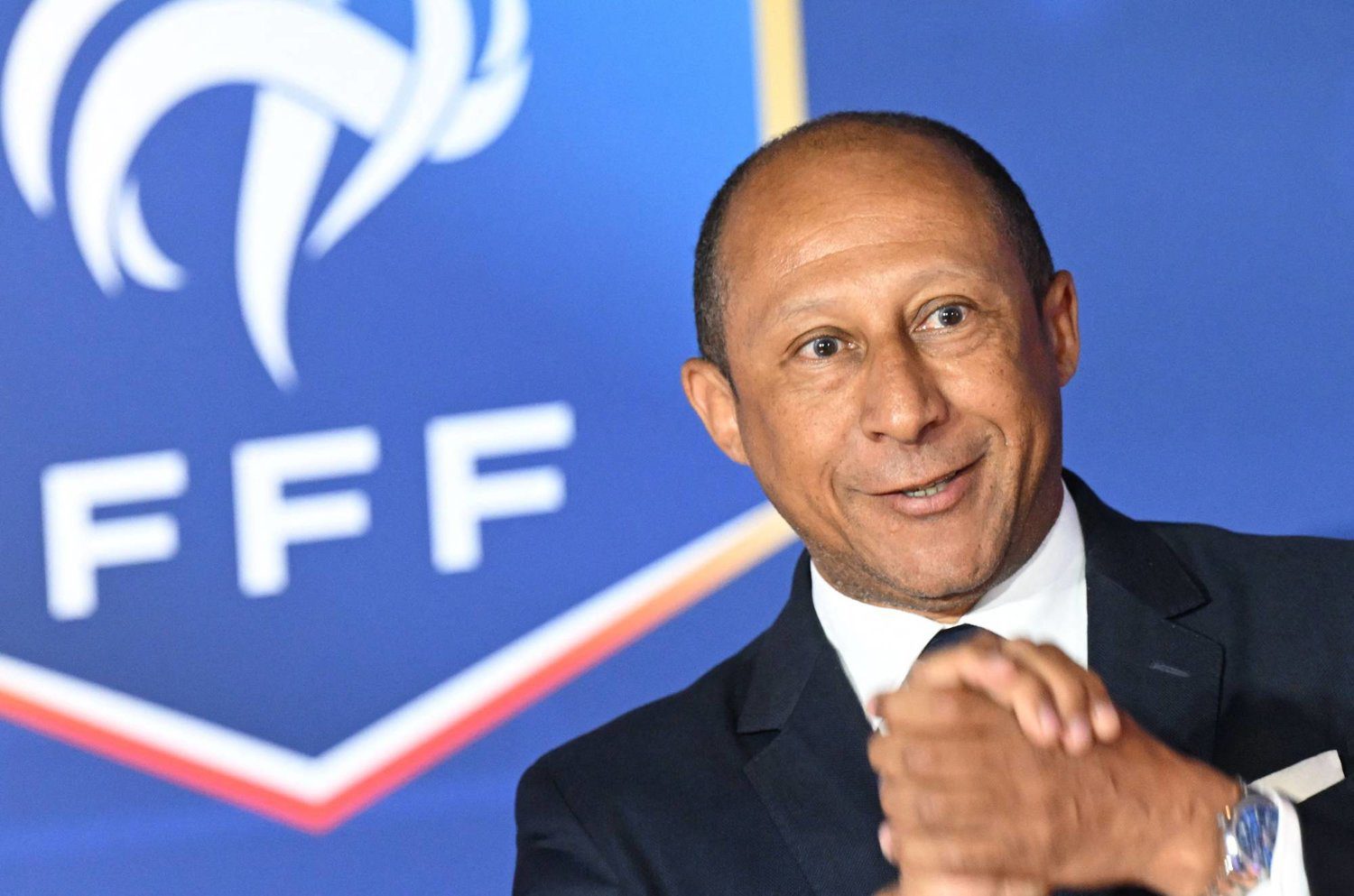
French Football Federation president Philippe Diallo has formally entered the race for the FIFA presidency, accepting a unanimous invitation from UEFA to challenge incumbent Gianni Infantino in the election on March 18, 2027. The 63-year-old announced his candidacy in Paris on Tuesday, a day after European football's governing body threw its full weight behind him — giving Infantino his first serious rival in a decade in charge of world football. Al Jazeera
Diallo's entry transforms a contest that, only days ago, looked like a formality. Infantino, in office since 2016 and seeking a fourth term, had been expected to cruise to re-election after the Asian Football Confederation endorsed him on October 23. Now, with nominations closing at midnight Swiss time on Wednesday, November 18, the race is set — and Europe's 55 member associations are lined up behind a single challenger.
How Diallo became UEFA's candidate
The sequence moved fast. On Monday, November 16, UEFA's executive committee met in Nyon under president Aleksander Čeferin and invited Diallo to stand. The national associations represented on the UEFA executive committee and the FIFA Council "unanimously pledged their full support," UEFA said in a statement. Diallo accepted the same day, and on Tuesday the French federation's executive committee ratified his candidacy unanimously.
Diallo had never indicated any ambition for the FIFA job. He has led the French federation only since January 2023, and before that spent nearly two decades chairing the union representing France's professional clubs. He is the son of a Senegalese boxing champion — a background that sets him apart in a race long dominated by European administrators. Le Monde
UEFA had been struggling for weeks to find a credible candidate. Its executive committee met on Monday specifically to settle the question before Wednesday's deadline, after months of open conflict with Infantino. As Chronicle reported in October, Europe's 55 associations gathered in Berlin to plan a challenge to the FIFA president — but at that point they had no name to rally behind. Diallo is that name.
The trigger: the failed plan to sell off the World Cup
The rupture traces back to July, when Infantino's plan to bring private investors into a new FIFA commercial entity — "FIFA Forward Enterprise" — was exposed. The scheme would have handed outside investors control of portions of the commercial rights to FIFA tournaments, including the World Cup, in a deal reportedly worth up to $20 billion and led by a fund connected to New York investor Joshua Kushner, with $20 million promised to each member association. The plan collapsed within days under global opposition.
In September, the French federation withdrew its support for Infantino's re-election. Diallo said then that "the trust placed in the FIFA president has been broken," and described France's decision as part of a broader movement inside UEFA. Other European associations followed. Infantino later apologised for the investor plan, as Chronicle reported — but the apology did not repair the breach.
Diallo's candidacy is, in effect, Europe's attempt to turn that opposition into a governing alternative. At his Paris announcement he stressed that with UEFA's unanimous support he already commands a large base of votes — 55 associations out of FIFA's 211 members.
Who else is running — and the maths that decides it
Diallo is not the only challenger. Kozo Tashima, 68, honorary president of the Japan Football Association and a FIFA Council member since 2015, declared his candidacy on November 5, becoming the first Japanese candidate for FIFA's top job. Ramon Vega, a former Swiss international defender who played for Tottenham, has also announced his intention to stand. Diallo has already appealed to Tashima to unite the opposition before the filing deadline.
The arithmetic is unforgiving. Each of FIFA's 211 member associations holds one vote, and a candidate needs an absolute majority — 106 votes — to win at the 77th FIFA Congress in Rabat, Morocco, on March 18, 2027. Candidates must secure the formal backing of at least five national associations simply to appear on the ballot, and must then clear FIFA's eligibility and integrity checks by February 18, 2027. TNT Sports
That maths explains why UEFA's unity matters — and why it may not be enough. Europe's 55 votes are barely half of what Diallo needs, so the campaign will be fought among the smaller federations of Africa, Asia and the Americas, where Infantino has spent a decade building loyalty through development funding. Infantino also remains the clear favourite: beyond the Asian confederation's endorsement, he can point to a successful 2026 World Cup on and off the field. USA Today
Macron's backing — and the man who said no
Diallo enters the race with political weight behind him. French President Emmanuel Macron supports his candidacy, a notable endorsement for a contest FIFA insists is purely sporting. The backing also reflects the stature Diallo has built in French public life since taking over the federation.
Notably absent from the race is the name many in Europe had hoped for: Arsène Wenger, the former Arsenal manager who now runs FIFA's global football development programme, declined to stand. Wenger's refusal left UEFA searching until the final days before the deadline — and helps explain why Diallo, a figure few outside French football had considered, emerged as the consensus choice so late.
The choice of Rabat as the venue adds another layer to the contest. Morocco, which co-hosted the 2030 World Cup bid and has risen sharply in world football, will host the congress that decides the sport's leadership — a stage Chronicle noted when Morocco entered FIFA's top five.
What happens next
With nominations closing on Wednesday night, the field is now locked. FIFA's general secretariat must notify member associations of the proposed candidates at least a month before the congress, and the eligibility and integrity checks run until February 18. Diallo has four months of campaigning to turn a European revolt into a global majority — a task that requires winning over federations far beyond UEFA's bloc.
Whether he succeeds or not, the race itself is already a verdict on Infantino's decade: for the first time since he took office in 2016, the FIFA president faces a challenger with the organised backing of an entire confederation, a head of state behind him, and a grievance — the aborted sell-off of the World Cup — that much of world football still remembers.
Frequently Asked Questions
Who is Philippe Diallo?
Philippe Diallo, 63, is the president of the French Football Federation, a post he has held since January 2023. Before that he spent nearly two decades leading the union representing France's professional football clubs. He is the son of a Senegalese boxing champion.
When is the FIFA presidential election?
The election takes place at the 77th FIFA Congress in Rabat, Morocco, on March 18, 2027. Nominations closed at midnight Swiss time on Wednesday, November 18, 2026, and candidates must clear eligibility and integrity checks by February 18, 2027.
How many votes does a candidate need to win?
Each of FIFA's 211 member associations holds one vote, and a candidate needs an absolute majority of 106 votes to win the presidency. Candidates also need the formal backing of at least five national associations to appear on the ballot.
Who else is challenging Gianni Infantino?
Besides Philippe Diallo, the declared challengers are Kozo Tashima, honorary president of the Japan Football Association, and Ramon Vega, a former Swiss international. Infantino, in office since 2016, is seeking a fourth term and remains the favourite after the Asian Football Confederation endorsed him in October.
Why did UEFA turn against Infantino?
The break followed Infantino's July 2026 plan to bring private investors into a new FIFA commercial entity holding rights to tournaments including the World Cup. The plan was abandoned after global opposition, but the French federation withdrew its support for Infantino in September, and other European associations followed.