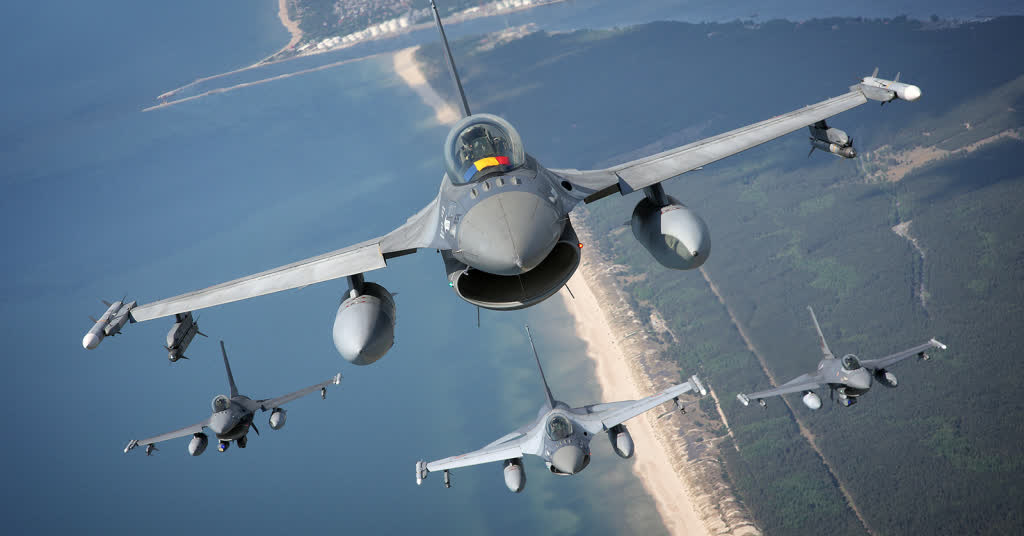
Romania's air force scrambled its jets and shot down two drones over the Black Sea on Saturday, intercepting both aircraft within minutes of their illegal entry into national airspace, the defence ministry said — the latest in an escalating string of incidents dragging the war in Ukraine toward NATO's eastern flank. The drones were downed by F-16 fighter jets some 20 kilometres southeast of the port town of Sulina, Defence Minister Radu Miruta announced, calling the response proof that Romania's air defences are working, according to Reuters.
Table of Contents
- What happened over the Black Sea
- A pattern of escalation near NATO waters
- "The Black Sea will be safe again" — NATO's response
- Why the Sulina corridor matters
- Key takeaways
- Frequently Asked Questions
What happened over the Black Sea
The timeline, as laid out by Miruta in a Facebook post, was swift. The first drone crossed into Romanian national airspace at 17:59 local time and was shot down within two minutes; the second followed and was destroyed at 18:05, five minutes after its entry. Both intercepts took place over territorial waters near Sulina, at the mouth of the Danube where the river meets the Black Sea.
"Two drones were engaged and shot down a few minutes ago by Romanian military pilots over the Black Sea, moments after they had illegally entered our country," Miruta wrote. The ministry confirmed that two Romanian Air Force F-16s carried out the engagements, as reported by AFP via Arab News.
The drones' origin has not been officially identified, but the incidents fit a now-familiar pattern widely attributed to spillover from Russia's war against Ukraine, which Romania — a NATO member sharing a 614-kilometre border with Ukraine, much of it along the Danube — has repeatedly blamed for drone incursions since the full-scale invasion began. Bucharest started shooting down intruding drones earlier this year after years of incidents in which it had merely monitored them.
A pattern of escalation near NATO waters
Saturday's shoot-down arrives just days after two chemical tankers were struck by drones near Romania's Black Sea coast — the latest in a series of attacks on commercial shipping that has alarmed insurers, shipping companies and governments alike. As Chronicle reported earlier this month, drone strikes set two tankers ablaze off Romania's coast, leaving seven sailors missing.
Before Saturday, NATO forces had already shot down four drones in Romanian airspace this year — all of them in 2026. The alliance's posture in the region has been hardening steadily: Romania shares its long Danube frontier with Ukraine, and drone debris, as well as occasional direct impacts, have landed on Romanian soil multiple times, including a May 2026 strike that wounded two people when a Russian drone hit an apartment building.
Each incident tests a fragile boundary: how far can cross-border spillover go before the alliance treats it as something more than collateral noise?
"The Black Sea will be safe again" — NATO's response
Romania's foreign minister, Oana Toiu, said the issue will be raised at a North Atlantic Council meeting on Tuesday, writing on X: "The Black Sea will be safe again." She stressed the waterway's global significance: "The Black Sea serves as a critical maritime artery for the global export of grain, energy resources, and industrial commodities, making its stability vital to international food and energy security."
The diplomatic track follows a direct exchange earlier in the week. After meeting NATO chief Mark Rutte on Thursday, President Nicusor Dan said Romania needs "equipment to deal with a new kind of challenge." Rutte, for his part, pledged the alliance would "continue to work closely with our allies in the Black Sea, adjusting our deterrence and defense posture as needed."
The escalation is not confined to Romania. Bulgaria has moved to join a NATO anti-drone initiative after a Black Sea ship sank in its waters, and drone alerts have triggered airport shutdowns as far north as Vilnius — a sign that NATO's eastern flank is under sustained pressure.
Why the Sulina corridor matters
Sulina is no random waypoint. The town sits at the mouth of the Sulina canal, which links the Danube to the Black Sea and serves as a key export route for Ukrainian grain. Disruption here ripples outward: through food prices, through insurance premiums, and through the confidence of shippers operating in a sea that has become a theatre of hybrid warfare. The vessels attacked in recent weeks were anchored in these very waters.
For Romania, the double shoot-down is also a domestic signal. After years of criticism that the country was too passive about incursions, Miruta closed his announcement with a line aimed at voters: "Nothing we have done so far has been in vain!" The government is betting that decisive intercepts will reassure both the public and Romania's allies.
Key takeaways
- Romanian F-16s shot down two drones over the Black Sea on October 17, minutes after they entered national airspace near Sulina.
- The intercepts come days after drone strikes on two chemical tankers off Romania's coast that left seven sailors missing.
- NATO has previously shot down four drones in Romanian airspace this year; the North Atlantic Council will discuss the issue on Tuesday.
- The incidents underscore growing risks to grain and energy shipping through a critical Black Sea corridor.
Frequently Asked Questions
Where exactly were the drones shot down?
Both drones were intercepted over Romania's territorial waters in the Black Sea, roughly 20 kilometres southeast of the town of Sulina, near the mouth of the Danube, according to Defence Minister Radu Miruta and a defence ministry press release.
How quickly did Romania respond?
The first drone entered Romanian airspace at 17:59 local time and was downed within two minutes; the second was shot down at 18:05, five minutes after entering. Two Romanian Air Force F-16s carried out the engagements.
Is this the first time Romania has shot down drones?
No. Bucharest started shooting down intruding drones earlier this year. NATO forces had already downed four drones in Romanian airspace in 2026 before Saturday's incident.
Why does the Black Sea route matter so much?
The Black Sea, and the Sulina canal linking the Danube to it, is a critical export artery for Ukrainian grain as well as energy and industrial commodities. Disruptions there affect global food and energy security — a point Foreign Minister Oana Toiu stressed on Saturday.
Will NATO take action?
Toiu said the issue will be raised at a North Atlantic Council meeting on Tuesday. NATO chief Mark Rutte has said the alliance will keep adjusting its deterrence and defense posture in the Black Sea as needed.