Thousands of Polish police officers fanned out to schools across the country on Friday to reassure frightened pupils, after two stabbing sprees by teenagers in as many days triggered a wave of online rumours predicting a "Bloody Friday" of further attacks. Deputy Prime Minister Krzysztof Gawkowski moved to calm the public, saying there is no confirmed evidence that the school attacks were part of a coordinated operation or linked to any online challenge.
The nationwide police deployment is one of the largest school-safety operations Poland has mounted in years, and it underscores how quickly fear can spread through classrooms and social feeds after violent incidents involving young attackers.
Two attacks in two days
Poland was already on edge after Wednesday's knife attack at a vocational school in Ostrołęka, north-eastern Poland, where seven people were wounded and a 19-year-old student was detained near the scene. Prosecutors said the suspect entered the school that morning and attacked students and teachers, in an assault that left two victims in serious condition.
A second stabbing spree followed within days, compounding the alarm among parents, teachers and school administrators. Together, the two incidents transformed what had been local tragedies into a national conversation about the safety of children in Polish schools — a topic already tense across Europe, from the student protest movement sweeping French high schools this autumn to rare but devastating attacks like the Tumbler Ridge school shooting in Canada.
The "Bloody Friday" rumours
As news of the second attack spread, anonymous posts began circulating online warning of a "Bloody Friday" — a supposed wave of school attacks supposedly coordinated as part of an internet challenge. The rumours moved fast enough to reach worried parents' chat groups and school corridors, prompting some families to keep children home.
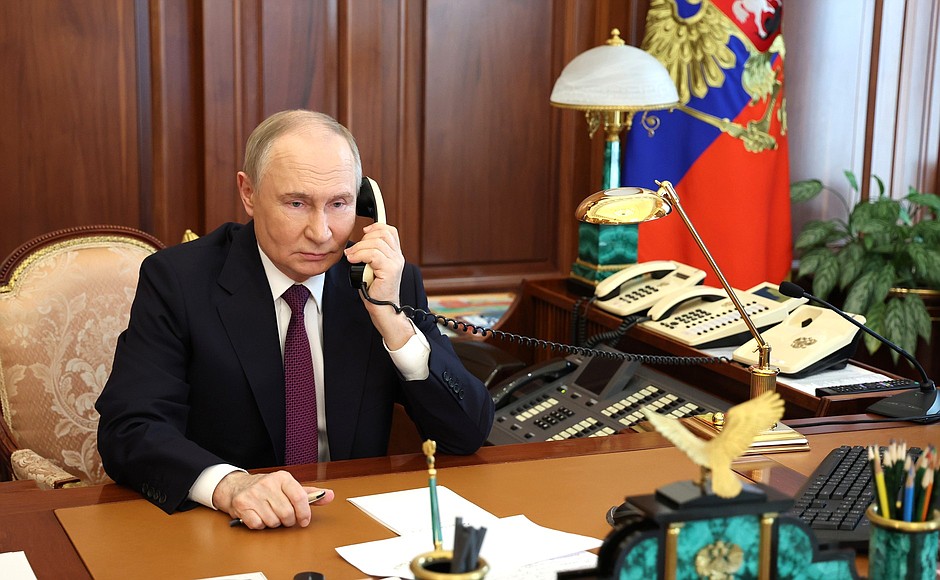
Gawkowski, who also oversees digital affairs in Poland's government, said authorities had found no evidence to support any of it. "There is no confirmed evidence that the school attacks were part of a coordinated operation or linked to an online challenge," he said, according to Reuters.
His statement highlights a familiar pattern in moments of public panic: unverified claims ricochet through social platforms faster than investigators can establish facts, and the rumours themselves become a second crisis that authorities must manage alongside the real violence.
Why police went to the schools
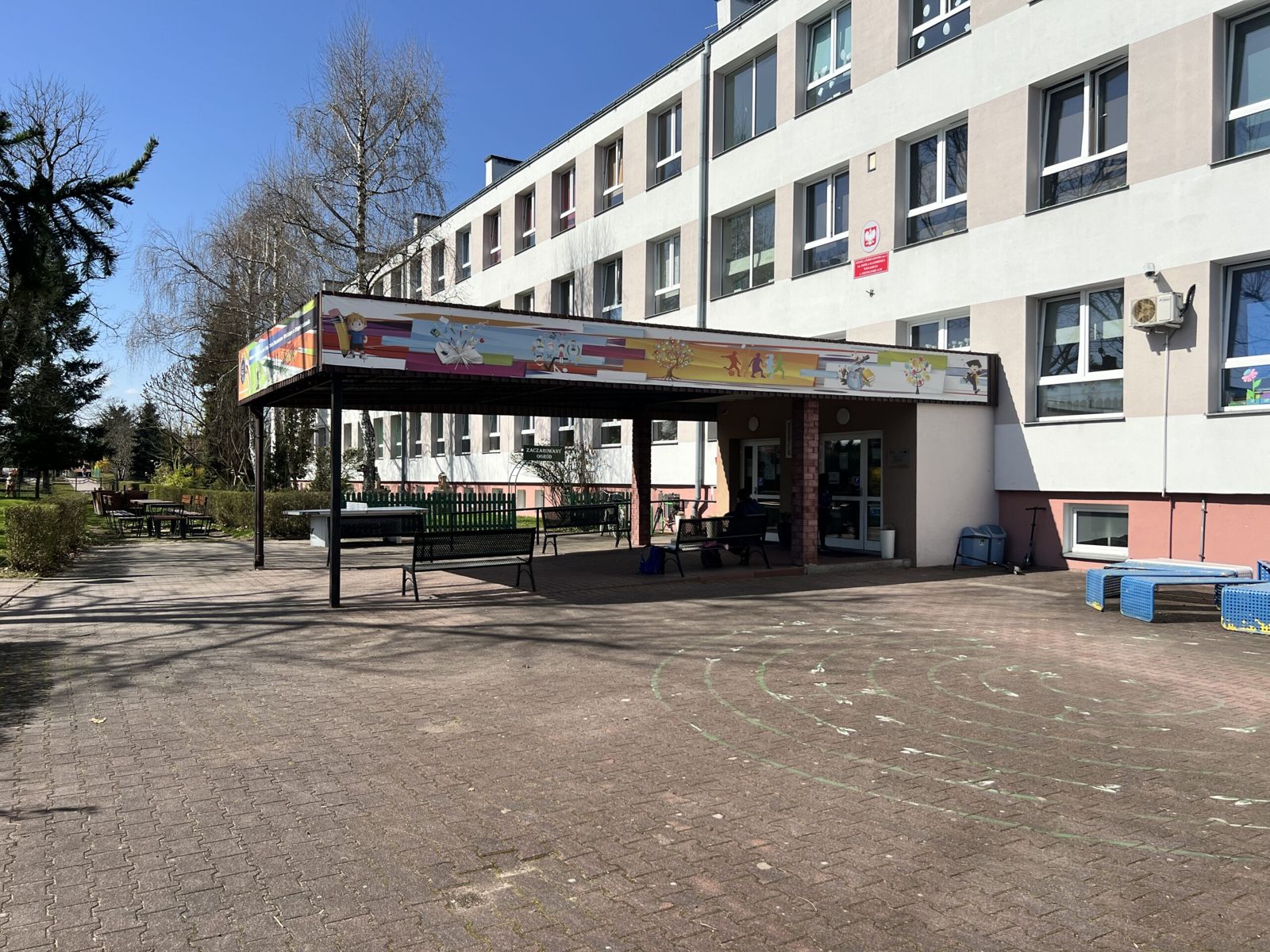
Rather than waiting for the anxiety to harden into something worse, Polish police leadership opted for visibility. Thousands of officers visited schools across the country on Friday — talking to pupils, meeting staff, and maintaining a presence meant to signal that the streets and campuses were under watch.
The tactic has precedent: after school attacks in several countries, police agencies have found that a visible presence at school gates does as much for public confidence as any press conference. For a country where school violence of this kind has historically been rare, the reassurance mission was aimed as much at parents and teachers as at children.
What comes next
The investigations into both attacks are continuing, and prosecutors have yet to disclose motives in either case. Polish authorities are expected to review school security procedures, and the debate over whether the two sprees signal a deeper problem among teenagers — or two isolated incidents amplified by social media — is only beginning.
For now, the government's message is twofold: the campuses are being watched, and the terrifying "Bloody Friday" plot spreading online has no evidence behind it.
Key takeaways
- Thousands of Polish police officers visited schools nationwide on Friday to reassure pupils after two stabbing sprees by teenagers in as many days.
- Rumours of a "Bloody Friday" of coordinated attacks, supposedly tied to an online challenge, spread widely on social media.
- Deputy PM Krzysztof Gawkowski said there is no confirmed evidence the attacks were coordinated or linked to an online challenge.
- The first attack, on Wednesday in Ostrołęka, wounded seven people; a 19-year-old student was detained. Details of the second spree are still emerging.
Frequently Asked Questions
Why did Polish police go to schools on Friday?
Officers visited schools across the country to reassure pupils, parents and teachers after two stabbing sprees by teenagers in as many days, and to counter widespread rumours predicting further attacks.
What was the "Bloody Friday" rumour?
Anonymous online posts warned of a supposed wave of school attacks on Friday, said to be coordinated as part of an internet "challenge". Deputy Prime Minister Krzysztof Gawkowski said there is no confirmed evidence behind the claims.
How many school attacks happened this week?
Two stabbing sprees by teenagers occurred within days of each other. The first, on Wednesday in Ostrołęka, wounded seven people and led to the detention of a 19-year-old student; the second attack has compounded public alarm.
Are schools in Poland safe?
School violence of this kind has historically been rare in Poland. Authorities say campuses are under watch and investigations are continuing; the government's position is that there is no evidence of a coordinated plot.
What is known about the Ostrołęka suspect?
Police detained a 19-year-old student from the vocational school near the town beach after the Wednesday attack. Prosecutors have not yet announced motives or charges.
Sources
- Reuters — "Reuters World News Summary" (October 2026)