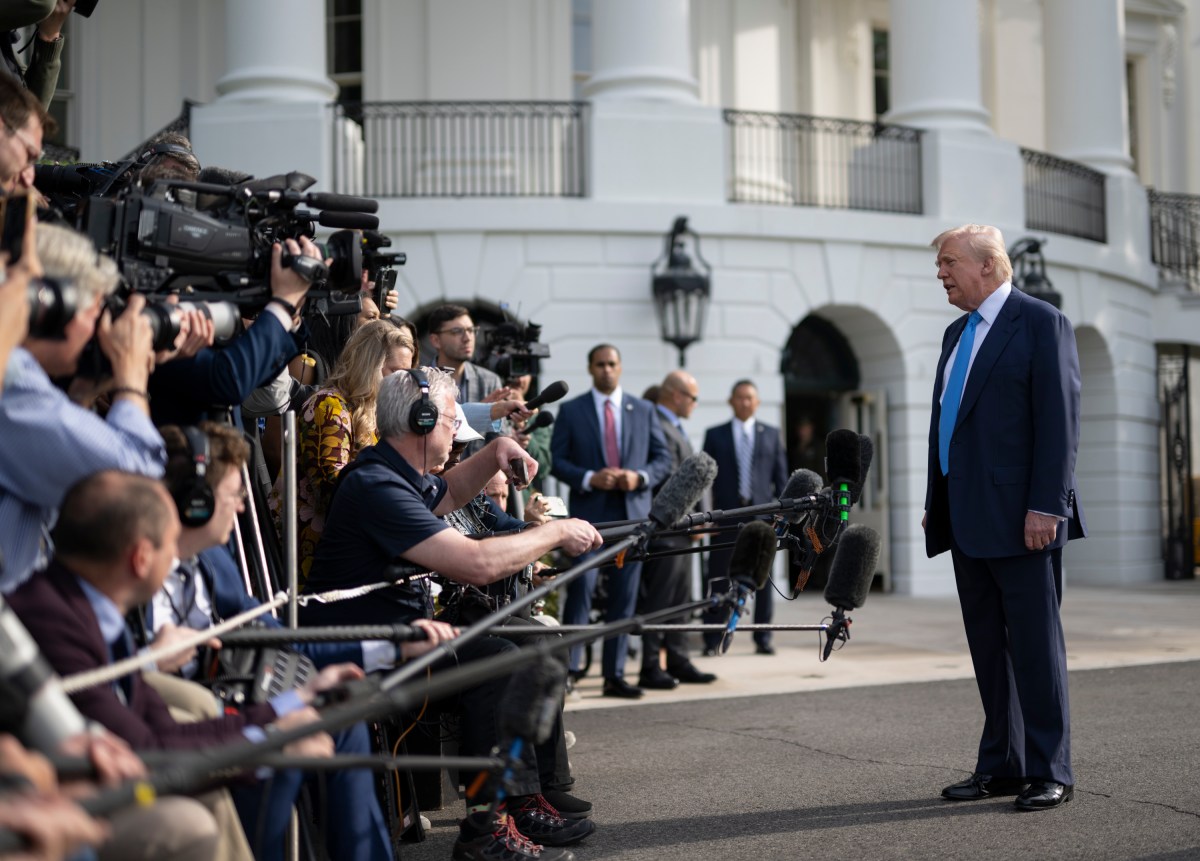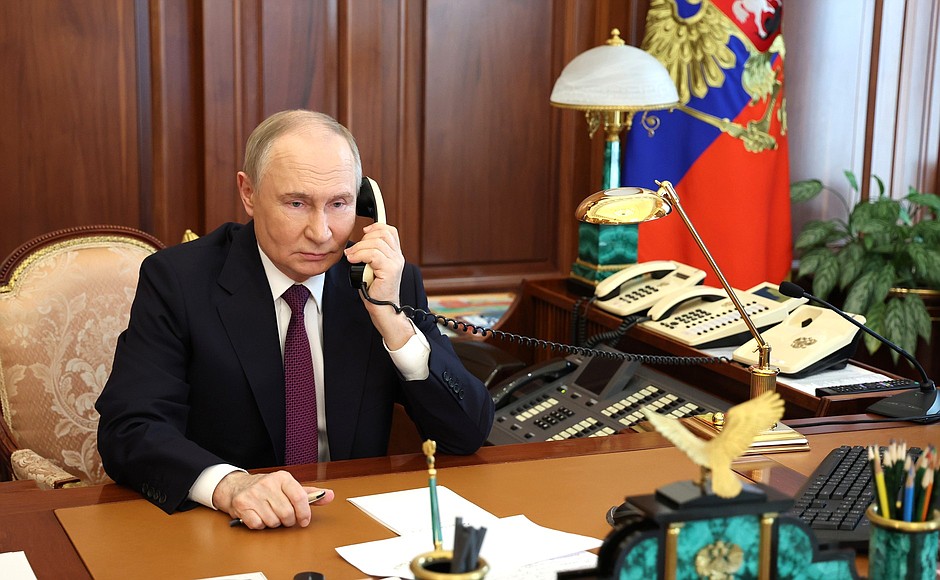
Russian President Vladimir Putin told US President Donald Trump on Friday that an immediate resumption of trilateral Ukraine peace talks is unlikely, blaming Ukrainian drone attacks on Moscow and polling stations during last month's Russian parliamentary elections for disrupting the process, the Kremlin said. The phone call — the latest in Trump's repeated attempts to broker an end to the war — underscores how fragile the diplomatic track remains despite parallel negotiations in Miami aimed at presenting a unified proposal to Russia within weeks.
Putin said Moscow had been ready to resume negotiations with Kyiv after the parliamentary vote, but that Kyiv's attacks on the capital had, in his framing, derailed that plan. "By launching a large-scale drone attack on Moscow, other cities and polling stations on the most important day of the elections, and by targeting some people involved in organising the elections, the Kyiv regime has, in reality, interrupted the possibility of an immediate resumption of the negotiation process," Kremlin foreign policy aide Yuri Ushakov said in a briefing on the call.
"As the president said, we will now assess when these negotiations can resume," Ushakov added, referring to trilateral talks involving Russia, Ukraine and the United States.
Table of Contents
- A call with two tracks
- Miami: the parallel push
- A dangerous stalemate
- Key Takeaways
- Frequently Asked Questions
- Sources
- Related Reading
A call with two tracks
The conversation carried the odd duality that has come to define Trump-era diplomacy with Moscow: a cooling political track and a warming economic one. While Putin downplayed the prospects of immediate peace negotiations, the two leaders also discussed what the Kremlin described as major economic initiatives — including potential supplies of Russian fuel.
Trump said earlier on Friday that Russia had agreed to immediately supply diesel to US and global markets in an effort to lower fuel prices ahead of next month's US midterm elections. His administration had also lifted sanctions on Russian fuel that were designed to deprive Moscow of revenues for the war — a move criticised by US lawmakers and by Ukrainian President Volodymyr Zelenskyy.
"All that money goes toward the war against people, against Ukraine, against all of us. I believe our team is simply being used as a smokescreen. And that is certainly not fair," Zelenskyy said in a statement, arguing that the diesel arrangement enriches the very war machine Ukraine is fighting.
Miami: the parallel push
Hours before the Putin-Trump call, negotiators for the US, Ukraine and Europe spent six hours in Miami working toward a unified proposal to end the war, a person familiar with the talks told Reuters. The goal, the source said, is to reach agreement in the coming weeks and present it to Russia in an effort to secure a breakthrough before winter.
The talks included US envoys Steve Witkoff and Jared Kushner alongside Ukrainian and European delegations, and covered a post-war package with security guarantees from the US and Europe, a post-war economic plan for Ukraine, a pathway toward EU accession for Kyiv, and — in a sensitive session — "some ideas" on territory, a subject the source declined to elaborate on. Ukraine has been adamant that Russia must cede seized territory; Trump has said both sides will need to compromise.
Zelenskyy said earlier this week that Ukraine was ready to hold trilateral talks with the United States and Russia this month — a position that now sits uneasily against Putin's latest comments.
A dangerous stalemate
The call landed one day after US Secretary of State Marco Rubio told reporters that Russia's war in Ukraine is at a dangerous stalemate and that Washington would keep working toward a settlement. The war began with Russia's full-scale invasion in February 2022 and has now stretched into its fifth year, with front lines barely moving and civilian casualties mounting.
Trump has so far unsuccessfully tried to broker a peace deal. The latest episode illustrates the pattern: public optimism from Washington, a parallel negotiating track among allies, and a Kremlin willing to engage — but always with conditions attached. Analysts cautioned that Putin's linkage of talks to the drone attacks gives Moscow a standing excuse to delay, while keeping the door open for negotiations on its own terms.
Key Takeaways
- Putin told Trump that Ukrainian drone attacks on Moscow during Russia's September parliamentary elections made an immediate resumption of trilateral peace talks unlikely.
- The call also covered economics: Trump announced a Russian diesel supply deal aimed at lowering US fuel prices ahead of the midterms — a move Zelenskyy condemned.
- Parallel diplomacy continues: US, Ukrainian and European negotiators met for six hours in Miami to draft a unified proposal to present to Russia within weeks.
- Rubio called the war a dangerous stalemate, and Zelenskyy said Ukraine remains ready for trilateral talks this month — leaving the two sides' positions far apart.
Frequently Asked Questions
What did Putin tell Trump on the call?
Putin said Moscow had been ready to resume negotiations with Kyiv after Russia's parliamentary elections, but that Ukrainian drone attacks on Moscow, other cities and polling stations on election day had "interrupted the possibility of an immediate resumption of the negotiation process," according to Kremlin aide Yuri Ushakov.
What was agreed on diesel and fuel?
Trump said Russia had agreed to immediately supply diesel to US and global markets to lower fuel prices ahead of the US midterm elections, and his administration lifted sanctions on Russian fuel. Analysts said the amounts were unlikely to reduce prices greatly, and Zelenskyy criticised the deal as funding Russia's war effort.
What happened at the Miami talks?
US, Ukrainian and European negotiators — including envoys Steve Witkoff and Jared Kushner — held six hours of talks on Friday aimed at agreeing on a unified proposal to end the war within weeks, covering security guarantees, a post-war economic plan, EU accession for Ukraine, and "some ideas" on territory.
When could trilateral talks resume?
There is no date. The Kremlin said Moscow will "assess when these negotiations can resume," while Zelenskyy has said Ukraine is ready for trilateral talks this month.
Sources
- Al Jazeera — Putin tells Trump peace talks are unlikely, cites Ukraine drone attacks
- Reuters — Kremlin says Putin in phone call with Trump downplays immediate Ukraine talks resumption
- Reuters — US-Ukraine-European negotiators meet in Miami as Trump announces diesel deal with Russia
Related Reading
- Trump, Zelenskyy and Europeans Meet in Miami on Ukraine Peace Plan
- Kremlin Agrees with Rubio: Ukraine War at "Dangerous Stalemate"
- Trump Announces Russian Diesel Deal Amid Soaring US Fuel Prices
Original reporting by Chronicle Editorial. Key facts sourced from Al Jazeera and Reuters.