Intercommunal violence killed at least 71 people, including four soldiers, in the central South Sudanese town of Rumbek on Friday morning, the interim government said. Witnesses told AFP that armed youth from outside the town had briefly seized control before police and military reinforcements arrived and forced the attackers to withdraw.
Table of Contents
- Dawn raid on Rumbek
- A country on the brink of elections
- A cycle of communal bloodshed
- What happens next
- Frequently Asked Questions
- Sources
- Related from Chronicle
Dawn raid on Rumbek
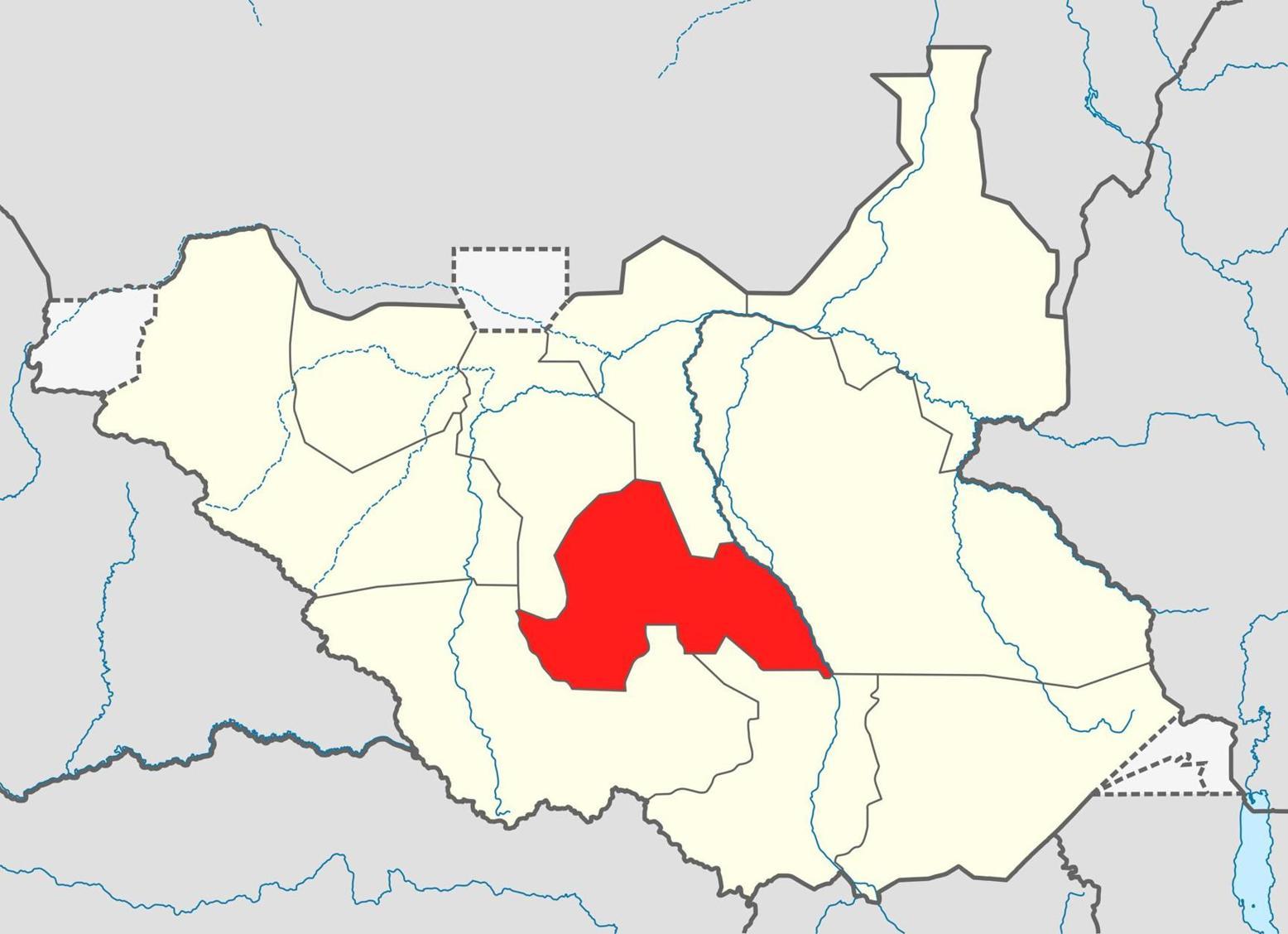
According to a statement from South Sudan's interim ministry of information, "armed civilians engaged in violent clashes in the city of Rumbek … on Friday, October 9, around 4 am, resulting in significant loss of life." Initial security reports put the death toll at at least 71, TRT Afrika reported.
Witnesses told AFP that the fighting was driven by ethnic and community tensions. A group of young people from outside Rumbek attempted to take control of the town — and for a time succeeded. The town's police and military units were reinforced, the attackers withdrew, and the clashes moved beyond the city limits, according to two witnesses.
The government said four armed civilians were arrested and that additional security forces had been deployed to Rumbek, adding that they now "have the situation under control." The caretaker administration condemned the violence and urged all communities "to refrain from violent acts, exercise restraint and remain calm."
A country on the brink of elections
The bloodshed comes at a precarious political moment. President Salva Kiir dissolved the transitional government ahead of elections scheduled for December, leaving an interim administration to run the world's youngest country — which won independence from Sudan in 2011 and has been plagued by violence and endemic corruption ever since.
The dissolution of the unity government on September 22 has deepened political tensions, with some parties rejecting amendments to the electoral act. Security analysts have warned for months that armed groups and community militias could exploit the political vacuum and the coming electoral season.
A cycle of communal bloodshed
Rumbek's tragedy fits a grim pattern. In September alone, intercommunal conflicts across Lakes, Warrap, Jonglei and other states killed about 70 people and saw more than 100 cattle looted, according to humanitarian assessments. Earlier this year, a cattle raid in Warrap's Tonj North County killed at least 60 people.
Just days before Friday's attack, the South Sudan Council of Churches called for an immediate nationwide ceasefire and an end to the mobilisation and arming of youth, warning that renewed fighting and intercommunal violence were killing and displacing civilians in Upper Nile, Jonglei, Unity, Warrap and parts of Equatoria — and disrupting humanitarian access along key roads and river corridors.
The violence is compounding an already dire humanitarian crisis. Aid agencies have warned that more than one million vulnerable people could lose life-saving food assistance in October as funding runs out, while 36 humanitarian workers have been killed in South Sudan in 2026 alone.
What happens next
With security forces now in control of Rumbek, the immediate question is whether the calm holds — and whether the government can prevent retaliatory attacks in the surrounding Lakes State communities, where revenge killings have long followed major clashes. The December elections, the first since independence, hang over everything: Friday's violence is a stark reminder of how fragile South Sudan's path to them remains.
Frequently Asked Questions
What happened in Rumbek?
Around 4 a.m. on Friday, October 9, 2026, armed civilians clashed in Rumbek, the capital of Lakes State in central South Sudan. At least 71 people were killed, including four soldiers. Armed youth from outside the town briefly seized control before reinforcements forced them out.
Why did the violence happen?
Witnesses attributed it to ethnic and community tensions — part of the long-running cycle of intercommunal conflict in South Sudan, where cattle raiding, revenge attacks and competition over resources repeatedly turn deadly.
What is the political context?
President Salva Kiir dissolved the transitional government in September ahead of December elections, leaving an interim administration. Political tensions have risen, and armed groups may be exploiting the vacuum.
How bad is the broader situation in South Sudan?
Intercommunal violence killed dozens in September across several states; humanitarian agencies warn that more than one million people face losing food aid this month, and 36 aid workers have been killed in 2026.