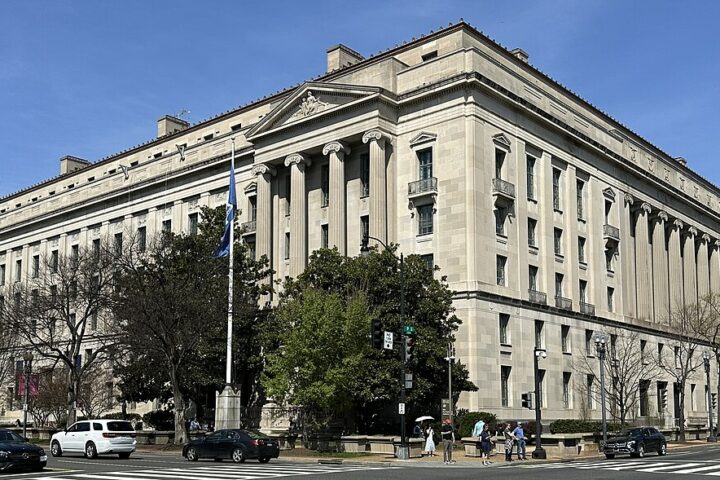
The Justice Department is seeking a federal criminal indictment of Cassidy Hutchinson, the former White House aide whose dramatic testimony made her the star witness of the congressional investigation into the January 6, 2021 attack on the US Capitol, over allegations she lied to Congress. Prosecutors presented evidence to a federal grand jury in Washington this week and plan to bring additional witnesses and evidence later this month, according to multiple news outlets citing sources familiar with the matter.
The development, first reported by Punchbowl News and confirmed by reporting from NBC News and Bloomberg Law, marks an extraordinary escalation: no criminal case has yet been announced, and a grand jury presentation is a step toward a possible charge, not a finding of wrongdoing. Hutchinson, 29, has consistently maintained that her testimony was truthful, and she has not been subpoenaed to appear before the panel.
The testimony at the centre of the case
Hutchinson was the top aide to Mark Meadows, Donald Trump's White House chief of staff in the final months of his first term. In a televised public hearing in June 2022, she delivered some of the most explosive moments of the House Select Committee's investigation, describing internal West Wing deliberations on the day Trump supporters stormed the Capitol.
The account under the most scrutiny is her secondhand claim that White House deputy chief of staff Anthony Ornato told her Trump — enraged that his Secret Service detail would not drive him to the Capitol — lunged toward the front of his presidential vehicle and tried to grab the steering wheel. That version has been publicly disputed: the driver of the vehicle said he did not witness the alleged physical confrontation, and former special counsel Jack Smith told the House Judiciary Committee in a closed-door interview that the officer's account "was not the same as what Cassidy Hutchinson said she heard from somebody secondhand."
Hutchinson also testified that Trump was aware some of his supporters were armed on the morning of January 6 but did not care, because they were not there to hurt him. That claim drew a criminal referral from House Republicans earlier this year: Rep. Barry Loudermilk of Georgia accused her of lying when she said Trump knew of the potential for violence, and a 2024 GOP report said other White House employees had not corroborated key parts of her testimony.
An unusual choice of prosecutor
In a striking twist, the case is being pursued by the department's Civil Rights Division, headed by Trump appointee Harmeet Dhillon. The division has traditionally enforced federal civil rights and anti-discrimination laws, not false-statements cases — a portfolio shift that critics say illustrates how the division's priorities have changed under the second Trump administration.
The timing is also drawing scrutiny. A potential indictment arriving weeks before the 2026 midterm elections breaks with the Justice Department's longstanding tradition of avoiding politically sensitive prosecutions near an election. Supporters of the probe counter that it follows months of public pressure and a formal congressional referral, and that the grand jury — not the department — would ultimately decide whether to indict.
The move fits a broader pattern in Trump's second term of the Justice Department targeting figures associated with investigations into the president. The administration has already approved high-profile escalations elsewhere in the federal justice system — including the military's unprecedented firing-squad execution and the livestream announcement that followed it — underscoring how far the department's posture has shifted from the norms of recent decades.
What happens next
Prosecutors are expected to present more evidence and witnesses to the grand jury later this month before asking it to vote on an indictment. If the panel declines, the case would end there; if it indicts, Hutchinson would become the rare witness prosecuted for testimony given to a congressional committee investigating a sitting president's conduct.
Either way, the case is already a landmark in the fraught relationship between Congress's oversight powers and the executive branch: a formal institutional effort to criminalise statements made during congressional oversight proceedings, aimed at the witness whose testimony defined the public narrative of January 6.
Frequently Asked Questions
Who is Cassidy Hutchinson?
Cassidy Hutchinson was the top aide to White House chief of staff Mark Meadows during the final months of Donald Trump's first term. In 2022 she became the star witness of the House Select Committee investigating the January 6, 2021 Capitol attack, testifying about internal West Wing deliberations that day.
What is she accused of?
The Justice Department is seeking to charge her with lying to Congress, focusing on parts of her January 6 committee testimony — including her secondhand account that Trump lunged at the steering wheel of his Secret Service vehicle and her claim that Trump knew of the potential for violence that morning.
Has she been indicted?
No. Prosecutors have presented evidence to a federal grand jury in Washington but, as of Thursday, had not asked it to vote on an indictment. The grand jury would have to agree to indict before any charge is filed.
Why is the Civil Rights Division handling this case?
The case is being pursued by officials in the DOJ's Civil Rights Division, led by Trump appointee Harmeet Dhillon. The division traditionally handles civil rights and anti-discrimination enforcement, making its role in a false-statements investigation highly unusual.
What happens if the grand jury indicts?
Hutchinson would face a federal criminal prosecution for allegedly lying to Congress. She has consistently said her testimony was truthful and would be expected to mount a vigorous defence. The case would also carry major political fallout ahead of the 2026 midterms.