Dutch Prime Minister Rob Jetten pledged on Friday to defend the International Criminal Court "brick by brick" — deliberately throwing Washington's own threat back at the Trump administration, which has vowed to dismantle the tribunal brick by brick and has now imposed sweeping sanctions on the court itself.
Table of Contents
- The Hague answers Washington
- The same phrase, weaponised
- What the sanctions mean for the Netherlands
- Europe's counter-moves: the blocking statute
- The court in the crossfire
- Key takeaways
- Frequently Asked Questions
- Sources
- Related from Chronicle
The Hague answers Washington
Speaking at a regular press briefing in The Hague on Friday, Jetten said the Netherlands felt responsible for ensuring the court could function correctly and would "protect it brick by brick where necessary," according to the Associated Press.
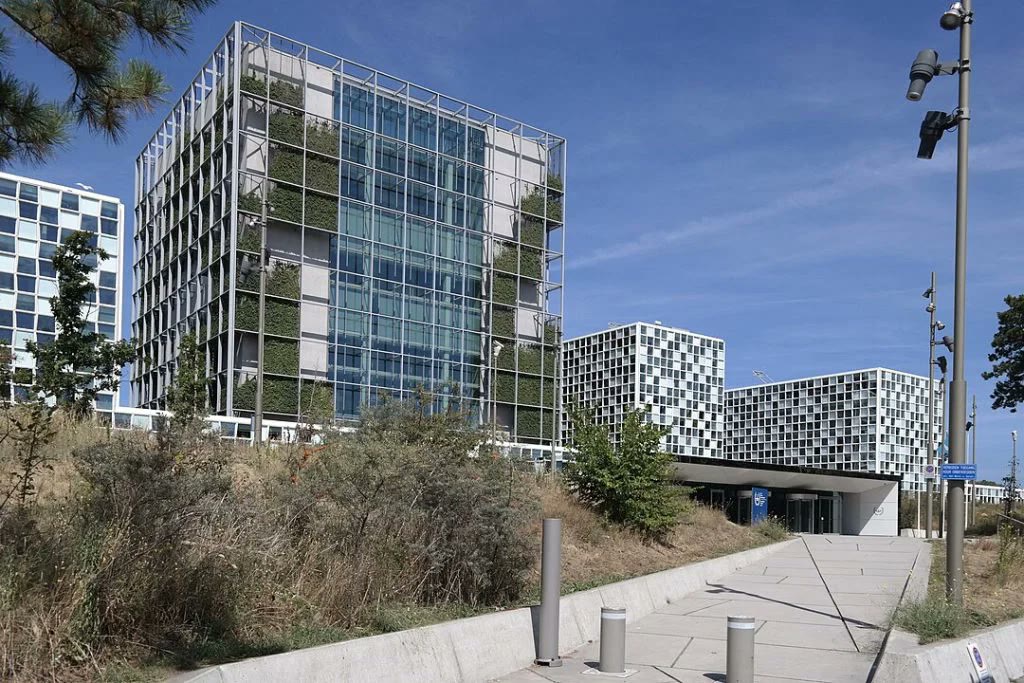
As the court's host country under a 2008 headquarters agreement, the Netherlands carries a special legal and political responsibility for the ICC, which sits in Jetten's own hometown. The prime minister said Dutch diplomats were working behind the scenes to make clear to Washington that far-reaching sanctions on the court would damage transatlantic relations — and urged the Americans to join a reform conversation instead of escalating.
"And the message to the Americans is also: 'Join that conversation and prevent further escalation,'" Jetten said, adding that a number of countries were working on proposals to reform the court, which prosecutes war crimes, crimes against humanity and genocide.
The same phrase, weaponised
The wording was no accident. In July, US Secretary of State Marco Rubio launched a diplomatic campaign to "dismantle the ICC — brick by brick, if necessary," accusing the court of waging a legal war against the United States. The State Department has described the effort as a whole-of-government push to systematically disable the court and pressure other countries to reject its authority over Americans.
By mirroring the exact phrase, Jetten turned Washington's slogan of destruction into one of protection — a pointed rhetorical counterattack from the city where the court stands. It was a veiled swipe, but barely veiled: the prime minister was telling the Trump administration that its demolition plans would be met, brick for brick.
What the sanctions mean for the Netherlands
The pledge came just as Washington imposed sanctions on the ICC itself on Friday, hours after former ICC judge Navi Pillay was awarded the 2026 Nobel Peace Prize. Rubio declared the US would "ban transactions with this rogue court, cutting off their resources and crippling its ability to operate" — a move that could punish companies providing services to the tribunal and threaten its day-to-day functioning.
For the Netherlands, the stakes are immediate and local. The ICC employs hundreds of staff in The Hague, many of them European nationals whose banks, insurers and service providers now face the risk of secondary US penalties. Jetten's government has been working to shield them.
Europe's counter-moves: the blocking statute
One instrument on the table is the EU "blocking statute," which could be used to protect European court staff by making it illegal for European companies to comply with the US measures. Dutch Foreign Minister Tom Berendsen has called it the "nuclear option" against possible sanctions and said the Netherlands is in talks with the European Commission to ensure it can be activated quickly.
"And the message to the Americans is also: 'Join that conversation and prevent further escalation,'" Jetten said.
Germany has also stepped in: its foreign minister visited the ICC last month to pledge full support despite the sanctions. The court's 125 member states — including every EU nation — have rallied around it, with only the tiny Pacific island nation of Naoero heeding Trump's call at the UN General Assembly to abandon the court.
The court in the crossfire
Washington's fury is driven by two grievances: the ICC's arrest warrant for Israeli Prime Minister Benjamin Netanyahu over alleged war crimes in Gaza, and a long-running US objection to the court investigating American soldiers in Afghanistan. At the United Nations last month, Trump called the court "evil" and a "rogue institution," urging every member state to quit.
The court itself has refused to bend. ICC deputy prosecutor Nazhat Shameem Khan told Reuters the sanctions "must be condemned" and that its work would continue across all investigations and prosecutions — including ongoing proceedings that continue despite the pressure.
Key takeaways
- Dutch PM Rob Jetten vowed to defend the ICC "brick by brick" — deliberately echoing Washington's own threat to dismantle the court.
- The pledge came as US sanctions on the court itself took effect, aimed at crippling its operations.
- The Netherlands, as the court's host country under a 2008 headquarters agreement, is working behind the scenes and weighing the EU's "blocking statute" as a countermeasure.
- With only tiny Naoero answering Trump's call to quit, the court's 125 member states remain lined up behind it.
Frequently Asked Questions
What did Dutch PM Rob Jetten actually say?
At a press briefing in The Hague on Friday, Jetten pledged the Netherlands would "protect it brick by brick where necessary" — a deliberate echo of US Secretary of State Marco Rubio's vow to "dismantle the ICC, brick by brick."
Why does the Netherlands have a special role in defending the ICC?
The ICC is headquartered in The Hague under a 2008 headquarters agreement, giving the Netherlands legal and political responsibilities toward the court as its host country. Jetten called the court "my country, in my city."
What is the EU's "blocking statute"?
It is an EU regulation that makes it illegal for EU companies to comply with certain foreign sanctions — here, potentially shielding European banks, insurers and contractors from penalties for working with the ICC. Dutch officials call it the "nuclear option."
Sources
- Associated Press (via The Manila Times): Dutch PM vows to defend ICC 'brick by brick'
- Reuters: ICC deputy prosecutor condemns US sanctions, says work will continue