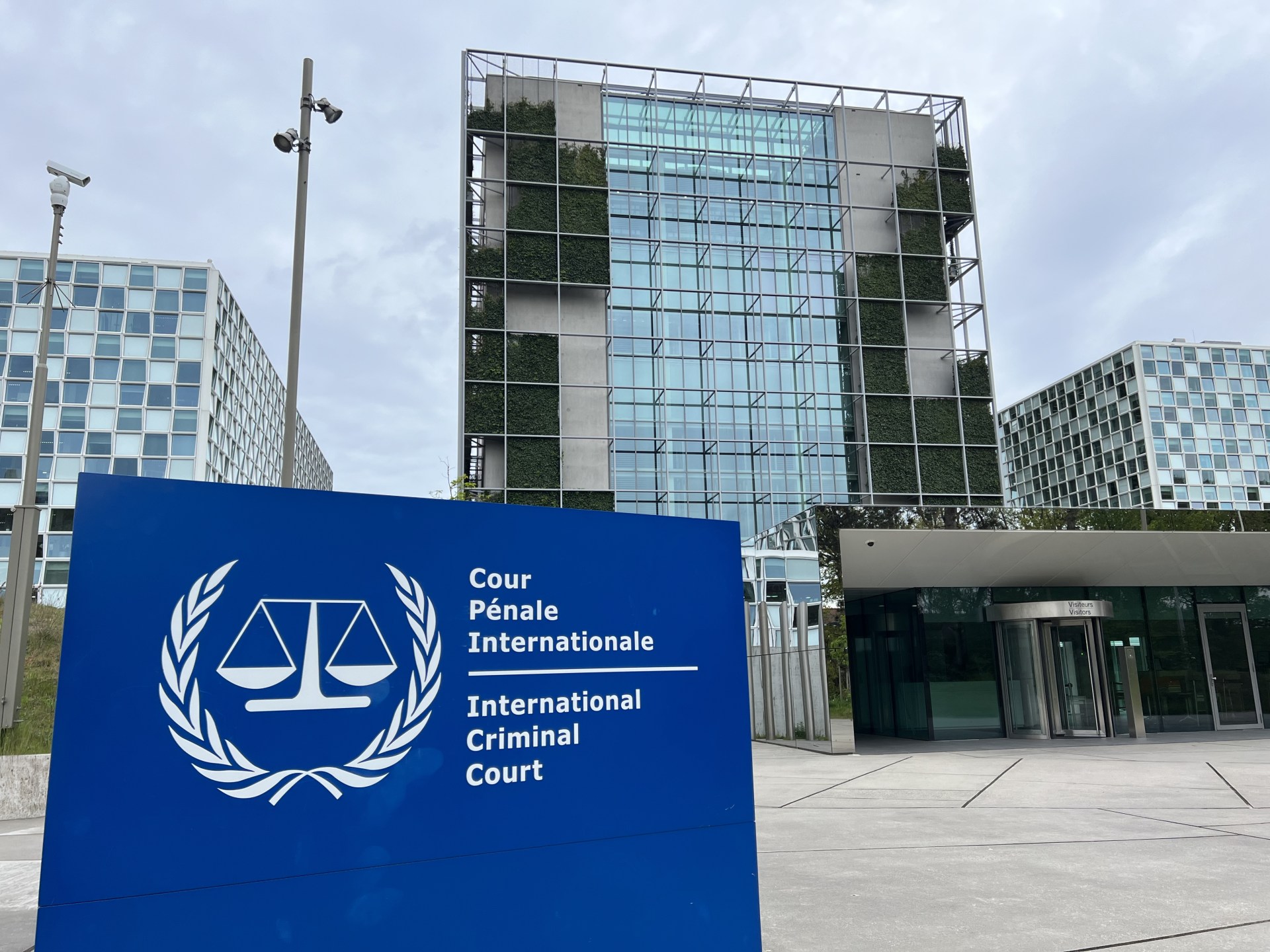
Tajikistan has formally begun withdrawing from the International Criminal Court, becoming the fourth country to start the exit process since the United States launched a diplomatic campaign to "dismantle the court" in July. The presidency of the court's governing body announced the move on Monday, warning that it "risks undermining the collective pursuit of justice and weakens global efforts to end impunity."
Dushanbe notified the United Nations of its decision to leave the Rome Statute, the 1998 treaty that created the world's permanent war crimes tribunal. Under the treaty's rules, the withdrawal takes a year to complete and is due to take effect on November 20, 2027.
Table of Contents
- The fourth departure since July
- Why Tajikistan is leaving
- What withdrawal does — and does not — do
- Washington's campaign against the court
- A court under strain
- Key takeaways
- Frequently Asked Questions
- Sources
- Related from Chronicle
The fourth departure since July
Tajikistan joins Chad, Venezuela and Naoero — the tiny Pacific island nation formerly known as Nauru — in beginning withdrawal since the US called on countries to leave the court in July, according to Reuters.
The departures are part of a wider thinning of the court's membership. The ICC still counts 125 member states, but that figure includes seven states that have formally started the withdrawal process, among them Hungary, which began its own exit earlier in 2025. Each departure chips away at the universality the court was built on: a tribunal that can only prosecute atrocities when national courts are unwilling or unable to act, and whose authority rests on the breadth of its membership.
Why Tajikistan is leaving
Tajikistan's break with The Hague has a specific trigger. In March 2026, the court found that Dushanbe had failed to comply with its request to arrest Russian President Vladimir Putin when he visited Tajikistan in 2025. Putin is wanted by the ICC over alleged war crimes in Ukraine, and member states are obliged to detain him if he sets foot on their territory.
For a small Central Asian state that depends on Moscow for security and labour migration, arresting the Russian president was never a realistic option — and the non-compliance finding put Dushanbe in an impossible position. Leaving the court resolves the contradiction: once the withdrawal takes effect, Tajikistan will no longer be bound to execute ICC arrest warrants at all.
The pattern is familiar. Governments that have hosted Putin despite the warrant — or that expect to — have found the court's obligations increasingly inconvenient, and Washington's open campaign against the tribunal has given them political cover to walk away.
What withdrawal does — and does not — do
Leaving the Rome Statute is not a clean break. The presidency of the court's governing body stressed that a decision to withdraw "does not release a state from obligations incurred while it was still a party to the treaty" — meaning Tajikistan remains answerable for its conduct during its membership, including the failure to arrest Putin.
Nor does withdrawal take effect immediately. The one-year notice period means Tajikistan stays a member, with all its obligations, until November 20, 2027. What changes right away is the signal: another state has decided that the political cost of membership outweighs the commitment to international justice, and the court's critics can point to a growing list.
Washington's campaign against the court
The exodus is unfolding against a sustained American assault on the tribunal. In July, the US State Department said it would seek to disable the court's operations, portraying it as an enforcement arm of a "globalist bureaucracy" and accusing it of threatening US sovereignty. In September, Donald Trump used a speech at the United Nations to urge every member state to quit the institution.
The administration has paired the rhetoric with sanctions — targeting ICC judges and prosecutors individually, and then the court itself as an institution, in a move eight allied nations jointly condemned as a threat to the tribunal's work and its staff. The grievances driving the campaign are the court's arrest warrant for Israeli Prime Minister Benjamin Netanyahu over alleged war crimes in Gaza, and an earlier investigation into the conduct of US forces in Afghanistan.
The United States is not a party to the Rome Statute and has long rejected the idea that the court holds jurisdiction over Americans without Washington's consent — a position held by administrations of both parties. But the current campaign goes further than any before it: from opposition to active demolition.
A court under strain
The ICC's defenders argue the institution matters precisely because it is the only permanent court capable of trying genocide, crimes against humanity, war crimes and the crime of aggression when national systems fail. Its supporters — including every EU country — insist its investigations will continue regardless of the pressure.
Yet the arithmetic is moving against it. Four withdrawals in four months, seven states in the exit pipeline, and a superpower openly working to shutter the court amount to the gravest institutional crisis since the Rome Statute entered into force. The Assembly of States Parties, which meets in December, will be the next test of whether the remaining members can convert their stated support into the funding and legal workarounds the court needs to keep functioning.
For now, the court's own warning stands as the starkest summary of the moment: each departure weakens the collective pursuit of justice — and the list of departures keeps growing.
Key takeaways
- Tajikistan has formally notified the UN that it is withdrawing from the ICC; the exit takes effect on November 20, 2027.
- It is the fourth country to begin withdrawal since the US urged states to leave the court in July, after Chad, Venezuela and Naoero.
- The ICC still has 125 members, but seven states have formally started the withdrawal process, including Hungary.
- In March 2026, the court found Tajikistan failed to comply with its request to arrest Vladimir Putin during his 2025 visit.
- Withdrawal does not release a state from obligations incurred while it was a party to the treaty.
- The US campaign includes sanctions on ICC judges, prosecutors and the court itself, driven by the Netanyahu warrant and the Afghanistan investigation.
Frequently Asked Questions
Which countries have started leaving the ICC since the US push began?
Tajikistan is the fourth, joining Chad, Venezuela and Naoero, the Pacific island nation formerly known as Nauru. All four began the withdrawal process after the United States called on countries to leave the court in July 2026.
When does Tajikistan's withdrawal take effect?
November 20, 2027. Withdrawal from the Rome Statute takes one year to complete, and Tajikistan remains a member — with all its obligations — until then.
Why is Tajikistan leaving the court?
The immediate trigger was the ICC's March 2026 finding that Tajikistan failed to comply with its request to arrest Russian President Vladimir Putin, who is wanted over alleged war crimes in Ukraine, when he visited the country in 2025. Leaving the court removes the obligation to execute ICC arrest warrants.
Does leaving the ICC erase a country's past obligations?
No. The presidency of the court's governing body said the decision to withdraw "does not release a state from obligations incurred while it was still a party to the treaty," so Tajikistan remains answerable for its conduct during its membership.
Why is the United States trying to dismantle the ICC?
Washington objects to the court's arrest warrant for Israeli Prime Minister Benjamin Netanyahu and to its earlier investigation into US forces in Afghanistan. The State Department has said it will seek to disable the court's operations, and the administration has sanctioned ICC judges, prosecutors and the court itself as an institution.
How many countries are members of the ICC?
The court has 125 member states, but that figure includes seven states that have formally started the withdrawal process. The ICC prosecutes genocide, crimes against humanity, war crimes and the crime of aggression when national courts are unwilling or unable to act.
Sources
- Reuters — Tajikistan becomes fourth country to withdraw from ICC since US diplomatic push
- Al Jazeera — Tajikistan moves to leave ICC amid US push against court
- Dawn — Tajikistan becomes fourth country to withdraw from ICC since US diplomatic push