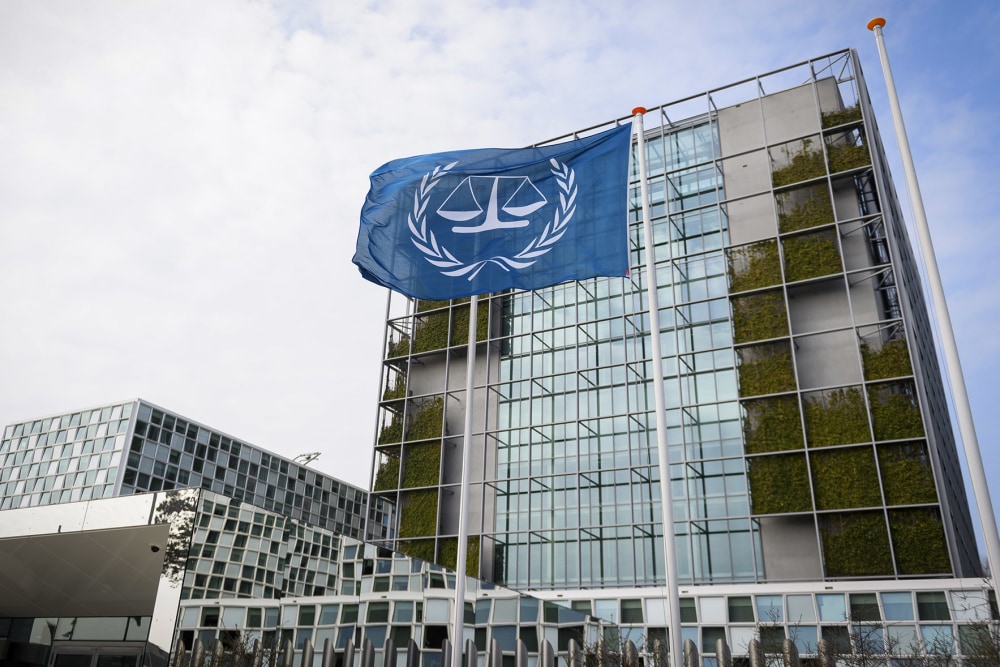
Eight of America's closest allies have issued a rare joint condemnation of the United States' sanctions against the International Criminal Court, warning the measures could cripple the tribunal's work and harm its staff and their families. The foreign ministers of Canada, Denmark, France, Germany, Italy, Japan, the Netherlands and the United Kingdom signed the statement, dated October 9 — one day after Washington moved to sanction the court itself as an institution.
The diplomatic broadside landed as three ICC judges filed a separate lawsuit against Donald Trump in a Manhattan federal court, challenging sanctions they say unlawfully targeted their finances and their judicial independence.
Table of Contents
- A united front
- The judges strike back in court
- What the sanctions target
- Washington's case against the court
- The court's reply
- Key takeaways
- Frequently Asked Questions
- Sources
- Related from Chronicle
A united front
Joint ministerial statements of this kind are unusual. The eight signatories include five G7 members and four permanent Security Council members' allies — a lineup that signals how broadly Washington's move has rattled its own coalition.
"As committed supporters of the ICC we regret and strongly disagree with the announcement of sanctions to be imposed upon the Court by the United States," the ministers said in the statement, according to the Daily Tribune.
The ministers reaffirmed their support for the court's "independence, impartiality and integrity," and welcomed the ICC's preparations to keep operating despite the pressure. But they warned plainly: "if put into effect, these sanctions will have a significant impact on the Court's work, its dedicated staff and their families."
The statement pledged practical help for the tribunal to fulfill its mandate under the Rome Statute, the 1998 treaty that established the court. It also committed the eight nations to "constructive and inclusive dialogue" with countries outside the treaty system ahead of the Assembly of States Parties in December 2026.
The judges strike back in court
Separately, three ICC judges have sued Trump in Manhattan federal court, arguing the sanctions unlawfully reached into their personal finances and threatened their independence as judges. The judges say they were targeted after the court pursued war crimes investigations involving Israel and US troops in Afghanistan.
The lawsuit adds a domestic legal front to the international dispute — and it is not the first: the court itself has noted that earlier US measures already targeted 13 ICC judges and prosecutors individually before Friday's institutional sanctions broadened the campaign.
What the sanctions target
Friday's move, announced by Secretary of State Marco Rubio, was the first to sanction the court as an institution rather than just its officials — a significant escalation that Chronicle covered in detail. The administration has said it will "ban transactions with this rogue court, cutting off their resources and crippling its ability to operate," with measures that could punish companies providing services to the tribunal.
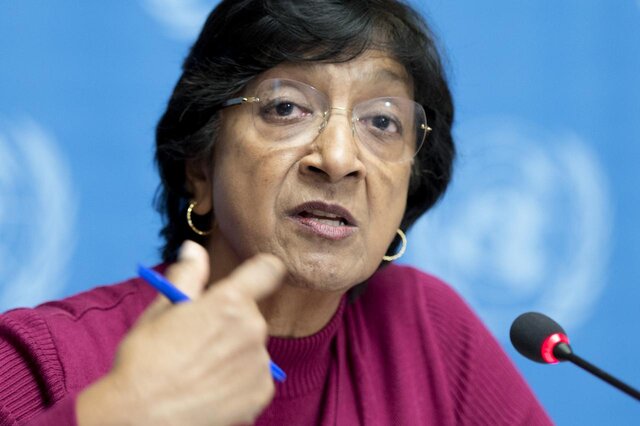
The sanctions arrived hours after former ICC appeals judge Navi Pillay was awarded the 2026 Nobel Peace Prize — timing the Nobel Committee framed as a deliberate reminder of the need to defend international law at a moment when "judges and institutions of international law are under political attack."
Washington's case against the court
The United States is not a party to the Rome Statute and has long rejected the idea that the court holds jurisdiction over Americans without Washington's consent. Successive administrations — Republican and Democratic — have taken that position.
The Trump administration's grievances are specific. The ICC issued an arrest warrant for Israeli Prime Minister Benjamin Netanyahu over alleged war crimes in Gaza, and the court previously examined the conduct of US soldiers in Afghanistan — an investigation the court later closed, but one Washington has never forgiven. Rubio has vowed to "end the ICC" if it does not abandon threats to prosecute Americans, and Trump used a UN speech in September to urge every member state to quit the institution.
The court's reply
The tribunal has refused to back down. Its deputy prosecutor, Nazhat Shameem Khan, condemned the sanctions as an attempt to undermine the rule of law and insisted investigations and prosecutions will continue. The ICC investigates genocide, crimes against humanity, war crimes and the crime of aggression, and it retains the backing of its 125 member states — including every EU country.
The eight-nation statement now gives that backing its most coordinated diplomatic expression yet. Whether it translates into material support — funding guarantees, legal workarounds for sanctioned transactions — will be tested at the Assembly of States Parties in December.
Key takeaways
- Eight allied nations — Canada, Denmark, France, Germany, Italy, Japan, the Netherlands and the UK — jointly condemned US sanctions on the ICC in a statement dated October 9.
- They warned the measures could significantly disrupt the court's work and affect its staff and their families.
- Three ICC judges separately sued Donald Trump in Manhattan federal court over the sanctions.
- Washington's institutional sanctions go far beyond earlier measures targeting 13 individual judges and prosecutors.
- The ICC says its work will continue and the allies pledged support through the Rome Statute system.
Frequently Asked Questions
Which countries condemned the US sanctions on the ICC?
Canada, Denmark, France, Germany, Italy, Japan, the Netherlands and the United Kingdom. Their foreign ministers issued a joint statement on October 9 supporting the court's independence, impartiality and integrity, and expressing regret and strong disagreement with the US move.
Why did three ICC judges sue Donald Trump?
The judges filed suit in Manhattan federal court arguing that US sanctions unlawfully targeted their personal finances and judicial independence. The sanctions followed the court's war crimes investigations involving Israel and US troops in Afghanistan.
What do the US sanctions on the ICC actually do?
The latest measures target the court as an institution for the first time, aiming to ban transactions with it and cut off its resources. They could also punish companies that provide services to the tribunal — a far wider net than the earlier sanctions on 13 individual judges and prosecutors.
Is the United States a member of the ICC?
No. The US helped establish the court but never ratified the Rome Statute, and administrations of both parties have rejected the idea that the court has jurisdiction over Americans without US consent.