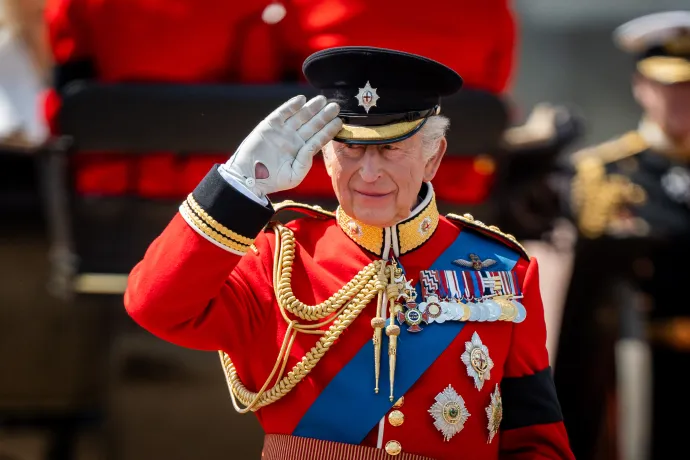
King Charles III will confront Britain's role in the transatlantic slave trade when he tours the Caribbean later this month, Buckingham Palace said on October 2 — but he will not formally apologise for what he has called "the darkest days of our past", and financial reparations remain firmly off the table for the British government.
The palace briefing set the terms for a trip that lands the 77-year-old monarch in the middle of the most charged imperial reckoning of his reign: visits to the Bahamas (October 27–29) and Guyana (October 29–30), followed by the Commonwealth Heads of Government Meeting (CHOGM) in Antigua and Barbuda from November 1–4, where demands from Caribbean and African nations for Britain and other former colonial powers to pay reparations are expected to dominate the room.
Contents
- A tour designed to face history
- Apology or not: where the palace draws the line
- Jamaica's legal offensive
- The weight of the numbers
- Key takeaways
- Frequently Asked Questions
- Sources
- Related Chronicle coverage
A tour designed to face history
Accompanied by Queen Camilla, Charles will visit three countries where the monarchy remains a living constitutional link — he is still head of state of both the Bahamas and Antigua and Barbuda — at a moment when the Commonwealth's founding bargain is under visible strain. The itinerary was first reported by the BBC in August 2026 and confirmed by Buckingham Palace, whose spokesperson told reporters the programme would "not shy away" from colonial history, "but — in keeping with the wishes of our host nations — will principally be oriented to the vibrant present and promising future of each country".
The timing is deliberate and combustible. Caribbean nations have stepped up a coordinated push for reparations in recent years, and CHOGM — the 56-nation Commonwealth's highest gathering, with a combined population of about 2.7 billion — is now the single biggest stage for the debate. A palace spokesperson, quoted by Reuters, acknowledged "important discussions taking place in various fora about colonial legacy and the intergenerational impact of the transatlantic trade in enslaved persons", adding that "the visit was coming at an important time in the relationship between Britain and Caribbean nations".
Apology or not: where the palace draws the line
The palace's position is carefully hedged. As reported by Reuters, Charles has previously expressed his personal sorrow over slavery and has backed research into the monarchy's historical links to the trade. "It is important to note here the work His Majesty himself has done over many years both to acknowledge the wrongs of the past and to find creative ways to right inequalities that endure," the spokesperson said during the media briefing.
But the palace was categorical on the hard questions: formal apologies and reparations are "a matter for the government", not the monarch — and the Foreign, Commonwealth and Development Office has restated that Britain will not pay financial reparations for slavery. Charles acts on ministerial advice under the constitutional settlement; he cannot unilaterally change policy. As the Daily Caller noted, that leaves the King walking a narrow line: visible enough to acknowledge history, constrained enough not to pre-empt his ministers.
Jamaica's legal offensive
The pressure is not abstract. Last month Jamaica's government handed Charles a formal petition seeking legal guidance on Britain's reparations obligations. Culture Minister Olivia Grange delivered the document in London, and the petition asks the Privy Council — still Jamaica's final court of appeal — to assess whether enslavement in Jamaica was lawful under English common law and international law. Charles consented and forwarded the petition to the court, a move that Caribbean outlets described as encouraging for the reparations campaign. Grange has said the filing seeks legal findings rather than a fixed payment — but a favourable opinion could reshape the reparations debate across the Commonwealth far beyond Jamaica.
The weight of the numbers
The history the tour must face is among the heaviest in the European colonial record. Between the 15th and 19th centuries, European merchants abducted and sold at least 12.5 million Africans into slavery; Britain transported an estimated 3.2 million people — more than any other European nation except Portugal. That legacy is not distant politics in the region Charles is about to visit: in the Bahamas and Antigua and Barbuda, where he remains head of state, republican sentiment has grown, following the path Barbados took when it became a republic in 2021. The Cape Flats coverage of the tour notes that the palace is keeping tight control over messaging — acknowledging the colonial legacy and the atrocities of slavery while steering the visit toward celebration of the region's cultures and future.
Whether acknowledgement without apology will satisfy the room in Antigua remains the open question of CHOGM. Caribbean leaders have signalled they will not let the reparations issue pass quietly; the palace has signalled the King will not duck it. Both, in their way, are promising confrontation — the only disagreement is about what comes next.
Key takeaways
- King Charles III and Queen Camilla will visit the Bahamas, Guyana and Antigua and Barbuda from October 27, attending CHOGM on November 1–4.
- Buckingham Palace says the tour will not "shy away" from Britain's role in the transatlantic slave trade, but there will be no formal apology.
- The UK government has ruled out paying reparations; the palace says apologies and compensation are matters for government, not the monarch.
- Jamaica has formally asked Charles to seek legal guidance on Britain's reparations obligations; he forwarded the petition to the Privy Council.
Frequently Asked Questions
Where is King Charles going in the Caribbean?
He and Queen Camilla will visit the Bahamas from October 27–29, Guyana on October 29–30, and Antigua and Barbuda, where he will attend the Commonwealth Heads of Government Meeting (CHOGM) from November 1–4.
Will he apologise for Britain's role in slavery?
No. Buckingham Palace said on October 2 that Charles will not shy away from discussing Britain's involvement in the transatlantic slave trade, but he will not formally apologise for "the darkest days of our past". Apologies and reparations are, in the palace's view, matters for the government.
What is Jamaica asking for?
Jamaica's government handed Charles a petition asking the Privy Council to assess whether enslavement in Jamaica was lawful under English common law and international law. Charles consented and forwarded it to the court. The filing seeks legal findings rather than a fixed payment.
Why is this tour politically sensitive?
Caribbean and African nations are intensifying demands for reparations from Britain and other former colonial powers. Britain transported an estimated 3.2 million enslaved Africans, and the issue is expected to dominate CHOGM in Antigua and Barbuda.
Has Charles addressed slavery before?
Yes. He has previously expressed his sorrow about slavery and supported research into the monarchy's historical links to the transatlantic trade. Buckingham Palace stresses his long record of acknowledging the wrongs of the past.
Sources
- Reuters via Kaieteur News — No apology but King Charles will not shy away from slavery issue during Caribbean tour, Buckingham Palace says
- Reuters via SRN News — No apology but King Charles will not shy away from slavery issue during Caribbean tour
- Daily Caller — King Charles Says No To Formal Apology For Slavery, Rules Out Reparations
- Cape Flats — King Charles to address colonial history during Caribbean tour in 2026