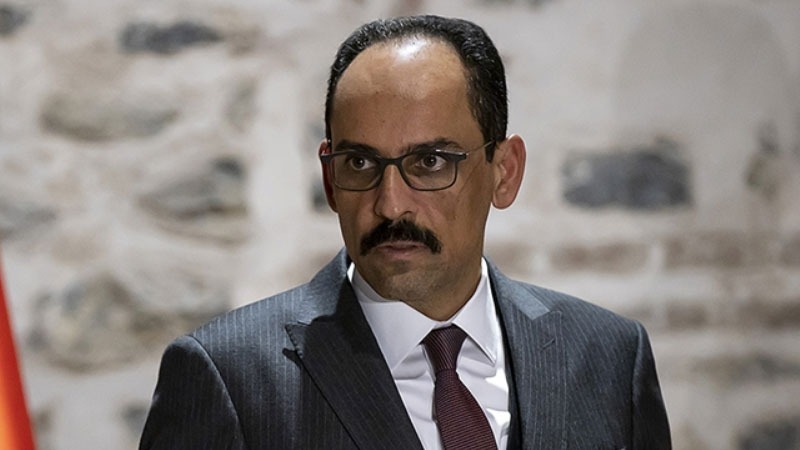
The head of Türkiye's National Intelligence Organization (MİT), İbrahim Kalın, met Syrian Foreign Minister Asaad Hassan al-Shaibani in Ankara on October 8, Turkish security sources said, for talks spanning the integration of former SDF forces into Syrian state institutions, joint counterterrorism against ISIS, continued Israeli attacks in southern Syria, and what the lifting of US sanctions could mean for Damascus. The meeting was part of a packed day of Syrian diplomacy that also brought al-Shaibani face to face with Turkish Foreign Minister Hakan Fidan and, earlier, with US envoy Tom Barrack in Istanbul.
Table of contents
- What the two sides discussed
- The SDF integration question
- Counterterrorism and the ISIS file
- Israeli strikes and sanctions relief
- A day of parallel diplomacy
- Why it matters
- Key takeaways
- Frequently Asked Questions
- Sources
- Chronicle related coverage
What the two sides discussed
According to the Hurriyet Daily News, citing Turkish security sources, Kalın and al-Shaibani reviewed Türkiye–Syria relations, areas of potential bilateral cooperation, ties with neighbouring countries and broader regional stability.
The agenda was substantive rather than ceremonial: it touched the security architecture of a Syria still being rebuilt, the mechanics of folding former autonomous armed structures into a central state, and the regional fallout of a sanctions regime that Washington has begun to unwind.
The SDF integration question
Central to the talks was the status of the integration process following the dissolution of the Syrian Democratic Forces (SDF). As Daily Sabah reported, the integration effort — rooted in agreements reached between the Syrian government and the SDF in March 2025 and January 2026 — aims to bring military units, security structures and civilian institutions in northeastern Syria under central government authority.
For Ankara, this file is existential. Türkiye long viewed the YPG-dominated SDF as a security threat along its southern border; its dissolution and absorption into Syrian state structures is the outcome Ankara has pressed for since the fall of the Assad regime. That the discussion is now being held between an intelligence chief and a foreign minister — rather than through back channels — signals how far the two countries' security cooperation has moved into the open.
Counterterrorism and the ISIS file
The two officials also discussed maintaining close coordination in the fight against terrorist groups, including ISIS (Daesh), the sources said. The concern is practical: as Syria's security structures are reorganised, the prisons and camps holding ISIS detainees in the northeast must remain secure, and joint operations need a clear chain of command.
For Türkiye, which has run repeated cross-border operations against both ISIS and Kurdish militant groups over the past decade, keeping Damascus aligned on counterterrorism doctrine is as important as any formal agreement.
Israeli strikes and sanctions relief
The talks also addressed continuing Israeli attacks in southern Syria, which Damascus condemns as violations of its sovereignty and territorial integrity, and examined the implications of the lifting of US sanctions on Syria — including how sanctions relief could help rebuild and strengthen the country's defence capabilities.
The sanctions question is where security meets economics. A Syria freed from comprehensive US sanctions can import dual-use equipment, attract reconstruction financing and rebuild an army and police force capable of holding territory — all prerequisites for the central-authority model Ankara is now backing.
A day of parallel diplomacy
The Kalın meeting was only one stop on al-Shaibani's crowded itinerary. Syria's state news agency SANA reported that the foreign minister also met Turkish Foreign Minister Hakan Fidan in Ankara the same day, with the two reviewing progress on activating the Joint Higher Committee and discussing regional developments. Fidan had visited Damascus on September 13, when he stressed that decisions on the integration process should be implemented without delay.
Earlier on October 8, al-Shaibani had met US envoy to Syria and Iraq Tom Barrack in Istanbul, where the pair discussed bilateral relations, regional developments and cooperation on security and stability. Three meetings, three capitals' worth of interlocutors, one day: Damascus is clearly running a deliberate, multi-track diplomatic sprint.
Why it matters
The optics alone are remarkable. A decade ago, Ankara and Damascus were on opposite sides of Syria's civil war; today their intelligence chief and foreign minister are jointly managing the country's security transition. The meeting cements Türkiye's role as the indispensable external partner of the new Syrian state — a position Ankara has built through military presence, diplomatic investment and, now, intelligence cooperation.
But the hard work is ahead. Integrating the SDF's structures is a multi-year project; ISIS remains a latent threat; Israeli strikes continue; and sanctions relief, while politically significant, will take time to translate into economic reality. The Ankara talks set the direction — implementation will be the test.
Key takeaways
- MİT chief İbrahim Kalın met Syrian FM Asaad al-Shaibani in Ankara on October 8, Turkish security sources said.
- The agenda covered SDF integration into Syrian state institutions, joint counterterrorism against ISIS, Israeli attacks in southern Syria and the implications of lifting US sanctions.
- Al-Shaibani also met Turkish FM Hakan Fidan the same day, and US envoy Tom Barrack in Istanbul earlier on October 8.
- The integration process follows SDF-government agreements from March 2025 and January 2026.
- The meetings underscore Türkiye's central role in Syria's post-war security transition.
Frequently Asked Questions
Who is İbrahim Kalın?
İbrahim Kalın is the head of Türkiye's National Intelligence Organization (MİT). He previously served as presidential spokesperson and chief foreign policy adviser to President Recep Tayyip Erdoğan, making him one of the most influential figures in Turkish security and foreign policy.
What is the SDF integration process?
The integration process refers to efforts to bring the dissolved Syrian Democratic Forces' military units, security structures and civilian institutions in northeastern Syria under the authority of the central government in Damascus, following agreements reached in March 2025 and January 2026. It is a core demand of both Damascus and Ankara.
Why is the lifting of US sanctions significant for Syria?
US sanctions long restricted Syria's access to international finance, trade and dual-use goods. Lifting them opens the door to reconstruction funding and the rebuilding of the country's defence and security institutions — a prerequisite for consolidating central authority across Syrian territory.
Why did al-Shaibani meet three different officials in one day?
The October 8 itinerary — Tom Barrack in Istanbul in the morning, then Hakan Fidan and İbrahim Kalın in Ankara — reflects Damascus running a coordinated diplomatic push: engaging Washington's envoy on security cooperation while deepening bilateral ties with Türkiye across both the foreign-ministry and intelligence tracks.
Sources
- Hurriyet Daily News: Türkiye, Syria review integration efforts in Ankara
- Daily Sabah: Turkish intelligence chief discusses SDF integration with Syrian FM
- SANA: Syria, Türkiye discuss bilateral ties and regional developments