US President Donald Trump said on Saturday that the United States may join Saudi Arabia's military campaign against Yemen's Houthi rebels, after a missile strike hit Riyadh's King Khalid International Airport, wounding several people and forcing an evacuation of the facility. Asked by reporters whether Washington would take part in the Saudi strikes, Trump left the door open: "We may. We're going to look at it," adding that his administration had only just learned of the latest attack and that a decision would follow quickly.
The remarks mark the first time Trump has publicly entertained direct American participation in the renewed Saudi–Houthi confrontation, which has escalated sharply over the past week.
Table of Contents
- Saturday's strike: what happened
- A week of attacks on the Saudi capital
- Trump's "we may" moment
- The Saudi coalition's retaliation
- Why Riyadh, and why now
- Key takeaways
- Frequently Asked Questions
- Sources
- Related reading
Saturday's strike: what happened
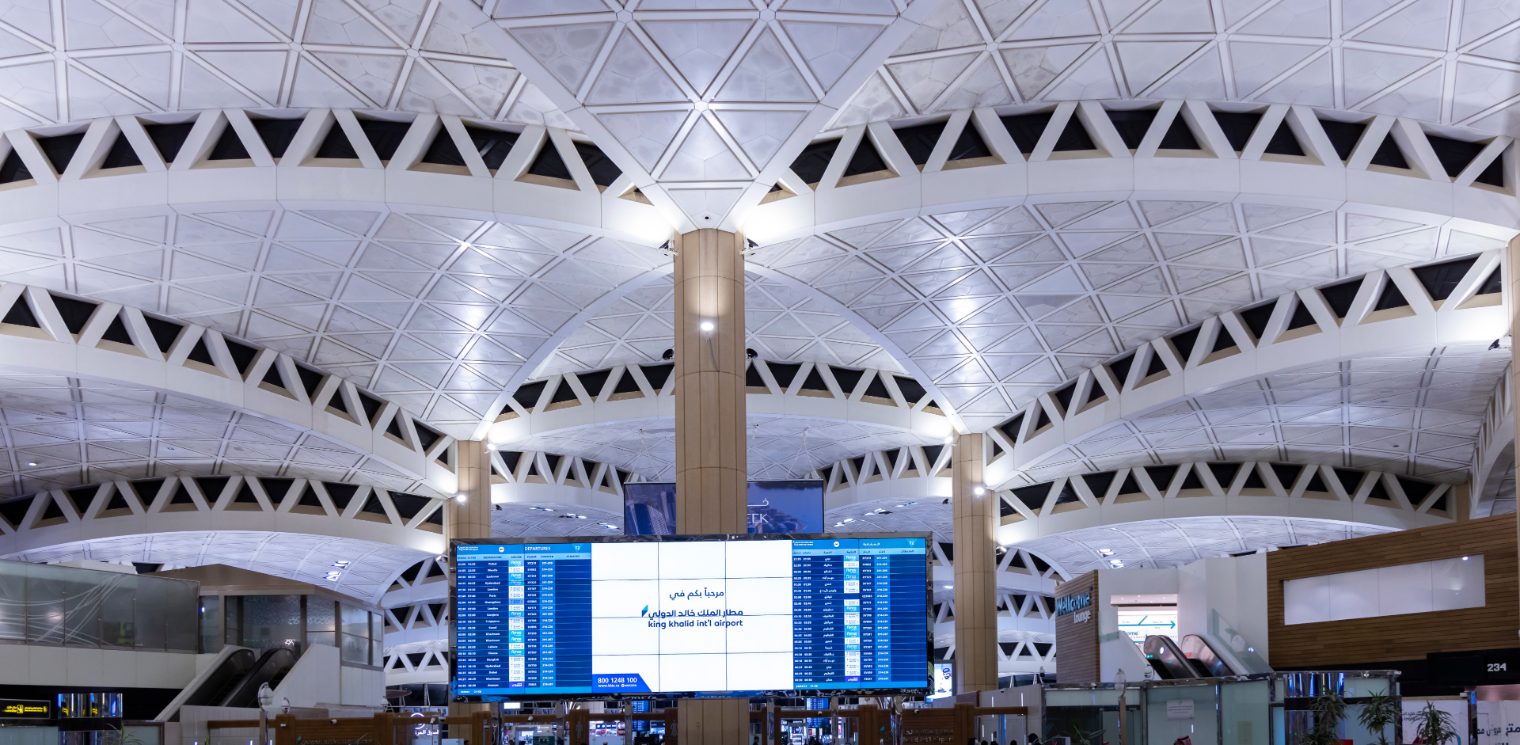
Two regional officials told the Associated Press that Saturday's attack forced the evacuation of King Khalid International Airport and brought air traffic to a halt, according to reporting carried by Mathrubhumi English. The officials spoke on condition of anonymity because they were not authorized to brief the media.
A regional official said the strike hit a complex housing terminals 3 and 4, which handle domestic flights. Several people were wounded, and local accounts described a chaotic scene as emergency crews responded. Etihad Airways and Qatar Airways cancelled multiple flights between their hubs and Riyadh, with some cancellations extending into Monday.
Flight-tracking data showed nearly all inbound flights to Riyadh were diverted or cancelled, and the airport advised passengers to check their flight status with airlines before travelling.
A week of attacks on the Saudi capital
Saturday's incident is the third attack on Riyadh's airport in a single week, as France 24 reported operations suspended after the strike left multiple people wounded. The airport had already been attacked twice earlier in the week, leaving four people dead and others wounded, and badly damaging an aircraft, according to The Jerusalem Post.
The Houthis had claimed responsibility for the earlier attacks, including an assault on Wednesday that killed a Sudanese national and wounded eight other people. There was no immediate Houthi statement following Saturday's attack. The Saturday strike followed an earlier evacuation of parts of the airport after a loud blast — the second such disruption in days.
Trump's "we may" moment
Trump's comments were delivered to reporters on Saturday, as the situation in Riyadh was still unfolding. "We just found out about the recent attack. So we'll make a decision. We move very quickly," he said.
The statement is significant for two reasons. First, it comes just days after Trump ruled out new US strikes on Iran before the US midterm elections, as Chronicle previously reported — a position his Saturday comments now complicate. Second, it raises the prospect of direct American involvement in a conflict that has already drawn in regional air power on both sides.
On Friday, the United States told Americans in the Middle East to "exercise heightened vigilance" after the Houthis claimed responsibility for an earlier attack on Riyadh's airport.
The Saudi coalition's retaliation
The Saudi-led coalition fighting Yemen's Houthis said on Saturday it had destroyed more than 100 military targets in a "large-scale operation" against the Iran-backed group, Gulf News reported. Coalition spokesman Turki al-Maliki said 136 military targets in Houthi-controlled areas had been destroyed, targeting the group's personnel and capabilities.
The Houthi-run Al-Masirah TV channel reported that Saudi missiles hit areas in the northwestern Yemeni governorate of Saada. The Houthis, meanwhile, reported strikes of their own on the airport in Sanaa, Yemen's capital, according to Haaretz.
Why Riyadh, and why now
The conflict between the Houthis and Yemen's internationally recognised government — which Saudi Arabia supports — reignited in July and has since spilled over into the neighbouring kingdom. Saudi Arabia began a major military offensive against the Iran-backed rebels earlier this week, and the airport attacks appear to be the Houthis' answer.
The timing carries an added sting: Saudi Arabia is scheduled to host the World Petroleum Congress in Riyadh on Sunday, with ministers and chief executives from dozens of companies expected to arrive. The third attack in a week has raised fears of spillover into other Gulf states.
Key takeaways
- Donald Trump said the US "may" join Saudi Arabia's strikes on Yemen's Houthi rebels after a Saturday missile attack on Riyadh's main airport.
- The strike wounded several people, forced an evacuation, and suspended air traffic at King Khalid International Airport — the third attack there in one week.
- Etihad Airways and Qatar Airways cancelled flights to Riyadh, with disruption expected to continue into Monday.
- The Saudi-led coalition says it destroyed 136 Houthi military targets in a large-scale retaliatory operation.
- The escalation comes as Riyadh prepares to host the World Petroleum Congress on Sunday.
Frequently Asked Questions
Did the United States confirm it will strike the Houthis?
No. President Trump said the US "may" join Saudi Arabia's campaign and that his administration would "make a decision" soon. No formal commitment has been announced.
How many times has Riyadh's airport been attacked this week?
Three times. The two earlier attacks this week left four people dead and several wounded, and badly damaged an aircraft. Saturday's strike caused several more injuries and forced a full evacuation.
Who are the Houthis fighting in Yemen?
The Iran-aligned Houthi rebels are fighting Yemen's internationally recognised government, which is backed by Saudi Arabia and a Saudi-led coalition. The conflict reignited in July 2026.
Why did the Houthis target the airport?
The attacks appear to be retaliation for the Saudi-led coalition's major military offensive against Houthi targets in Yemen earlier this week. The Houthis claimed the earlier attacks but had not immediately commented on Saturday's strike.
Is travel to Riyadh disrupted?
Yes. Flight-tracking services showed most flights to Riyadh diverted or cancelled on Saturday, and several airlines extended cancellations into Monday. Passengers are advised to check with their airlines.