At least six students were killed and 97 others injured on Saturday morning when explosives stored in a house beside a middle school detonated in eastern Afghanistan's Kunar province, turning an ordinary school day into one of the deadliest accidents to hit the country's children this year. The blast struck at about 10 a.m. local time in the Andar Ser area, and officials say the casualty figures are still preliminary — with some reports putting the death toll considerably higher (Al Jazeera).
What happened in Andar Ser
The explosion tore through a house standing next to a middle school in Andar Ser, in Kunar province near the provincial capital of Asadabad. Mawlawi Sami-ul-Haq, the province's director of information and culture, told Al Jazeera that the house belonged to people involved in mining operations who had stored dynamite there. What set the explosives off has not yet been established.
Mawla Dad, the head of Kunar Provincial Hospital, said at least six students had died and 97 others were injured, and cautioned that the numbers could change as more information came in. Police spokesperson Farid Dehqan confirmed that several students were killed or wounded and said investigative teams had reached the scene.
The injured were taken to Kunar Provincial Hospital, and many were then transferred onward to Nangarhar Regional Hospital in the neighbouring province for urgent treatment, according to local reports. Most of the victims were students at the secondary school beside the blast site.
Conflicting casualty figures — and why they differ
Hours after the blast, the numbers did not agree. The hospital's count stood at six dead and 97 injured. An Afghan government spokesperson later put the toll at seven killed and up to 99 injured, saying an investigation had confirmed the explosives belonged to a depot used by mining companies near the school (Khaleej Times).
Local sources cited by the Hasht-e Subh newspaper reported a far higher toll — at least 25 killed and nearly 50 injured — based on accounts from staff at Kunar Provincial Hospital (Hasht-e Subh).
The gap is not unusual in the first hours after a disaster in a remote province. Hospital counts, government statements and local reporting often draw on different moments in the rescue effort, and officials themselves stressed that their figures were initial. What is not in doubt is the scale: dozens of children were hurt, and the final toll is likely to rise as the injured are accounted for and the rubble is cleared.
Why dynamite was stored beside a school
The most troubling question the blast raises is not what ignited the dynamite, but why a stockpile of mining explosives was sitting in a house next to a school in the first place.
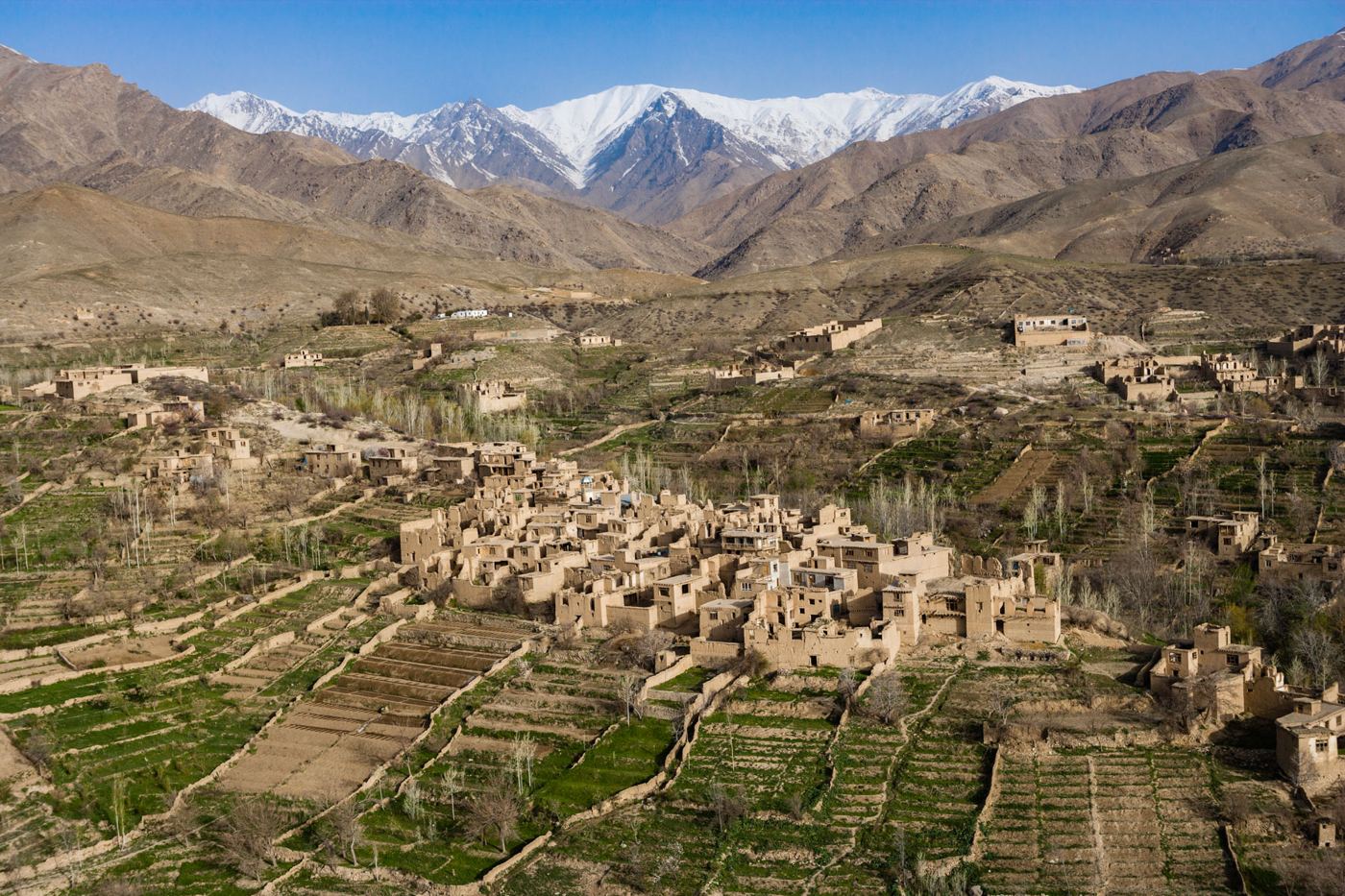
Kunar is a mountainous province on Afghanistan's border with Pakistan, where small-scale and artisanal mining is a livelihood for many families. Explosives used to break rock are often kept in homes, shops or makeshift depots rather than in regulated magazines, because formal storage facilities are scarce and oversight is thin. That puts entire neighbourhoods — and in this case a school full of children — within metres of a potential detonation.
The arrangement is a known hazard, and Saturday's blast is a reminder of how routine it has become. No official has yet said whether the people who stored the dynamite held any permit, whether the building was inspected, or whether anyone will face charges. Those are the questions the investigation now has to answer — and the answers will say a great deal about whether anything changes before the next stockpile goes off.
The injured and the hospitals
The response in the first hours fell on Kunar's provincial hospital and then on the regional hospital in Nangarhar, the larger facility across the provincial border. The transfer of dozens of injured students — many with burns and blast injuries — underlines how thin medical capacity is in the province where the explosion happened.
For the families, the immediate ordeal is identification and treatment: some victims were still unidentified hours after the blast, and the hospital warned that the toll could move in either direction as the injured were counted and the dead were named.
What happens next
Three things will determine what this disaster means beyond Saturday's headlines. First, the investigation must establish what detonated the dynamite — an accident, mishandling, or something else — and whether the storage itself broke any rules. Second, the authorities in Kabul will face questions about how mining explosives are regulated, and whether houses beside schools are still being used as depots. And third, the final casualty count will settle only once the hospitals have accounted for every injured student.
Afghanistan's children have borne a heavy share of the country's violence and its accidents alike. Kunar, a province already scarred by years of conflict along the Pakistani border — a region Chronicle has covered as tensions between the two neighbours escalated (Pakistan-Afghanistan escalation) — now faces a different kind of reckoning: one caused not by fighting, but by explosives left where children learn.
The Taliban authorities, who have governed Afghanistan since 2021 and whose leadership faces international legal pressure of its own (ICC arrest warrants), have not yet announced any measures in response. For the families in Andar Ser, the wait for answers has only just begun.
Frequently Asked Questions
How many students were killed in the Kunar school blast?
At least six students were killed and 97 injured, according to the head of Kunar Provincial Hospital, who stressed the figures were preliminary. A government spokesperson later reported seven killed and up to 99 injured, while local sources cited by Hasht-e Subh put the toll at 25 killed. The final number is expected to change as more information emerges.
Where and when did the explosion happen?
The blast occurred at about 10 a.m. local time (05:30 GMT) on Saturday, November 28, 2026, in a house beside a middle school in the Andar Ser area of Kunar province, in eastern Afghanistan near the provincial capital Asadabad.
What caused the explosion?
Provincial officials say the house belonged to people involved in mining operations who had stored dynamite there. What ignited the explosives has not yet been established, and investigative teams are at the scene.
Why was dynamite stored next to a school?
In Kunar's mining areas, explosives are often kept in homes or makeshift depots rather than regulated storage facilities, because formal magazines are scarce and oversight is limited. The blast has renewed questions about how mining explosives are stored and regulated in Afghanistan.
Where were the injured taken?
The injured were taken to Kunar Provincial Hospital, and many were transferred to Nangarhar Regional Hospital in the neighbouring province for urgent treatment, including specialist burns care.