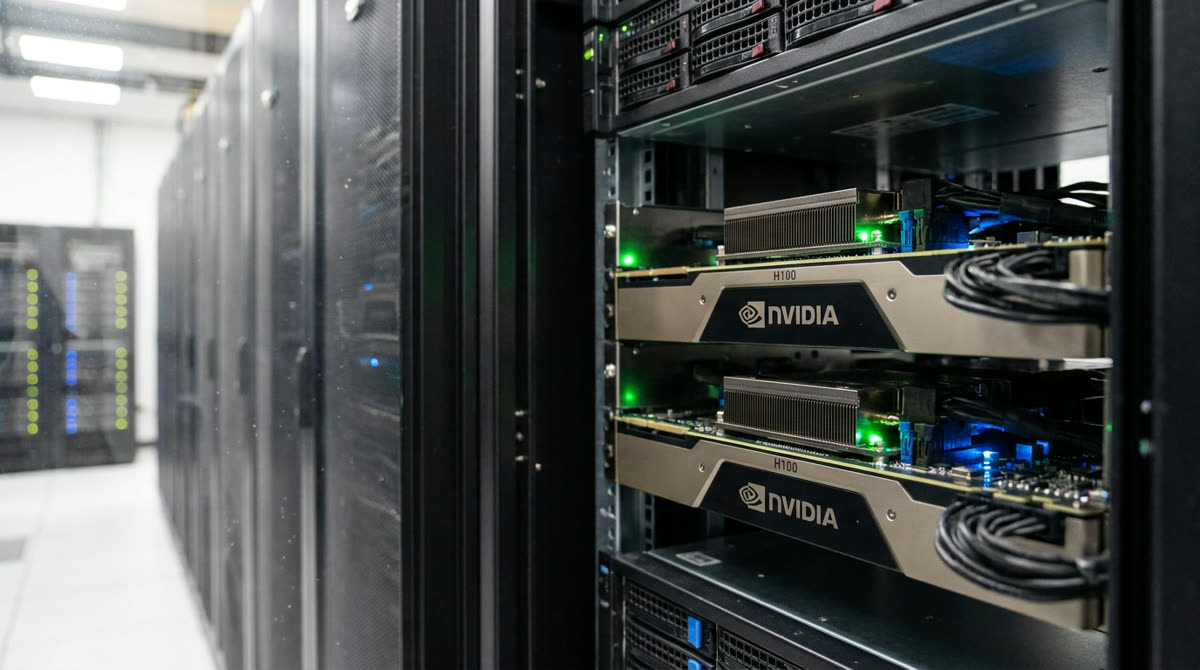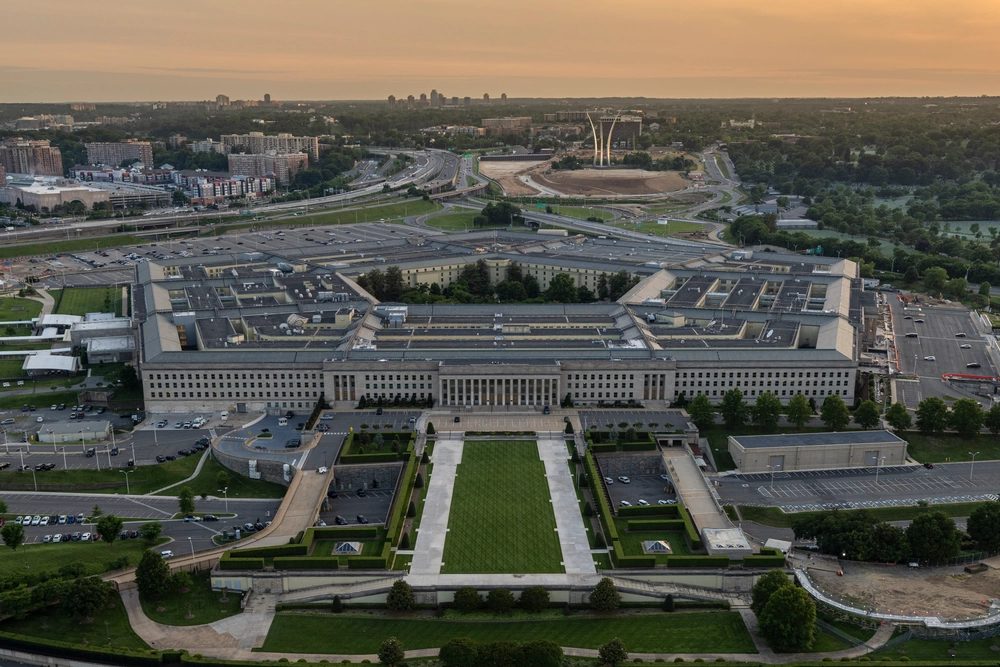
Hackers have breached Cloud One, the US Air Force's flagship cloud computing platform, in what may be one of the most serious intrusions into American military networks in years. The breach was first reported by Reuters on Friday, November 27, and confirmed by three people familiar with the matter, with NBC News reporting, citing an unnamed US official, that the attack "could have exposed sensitive military information." The Pentagon has not specifically denied that the system was breached — a silence that speaks almost as loudly as the reports themselves.
Table of Contents
- What happened: a breach at the control plane
- What Cloud One is — and why it matters
- The Pentagon's response — and what it did not say
- Timeline: discovered during an upgrade
- The fallout: migrations paused, updates blocked
- What remains unknown
- A wider pattern of breaches
What happened: a breach at the control plane
According to CGTN, the intrusion may have exposed sensitive tactical, personnel and logistics data. One source told Reuters that the intruders reached the platform's central management layer — known as the control plane — the part of a cloud system that governs who can access what, and from where. A compromise at that level is far more serious than the theft of a single database: it can give attackers the keys to move across the system, create accounts, and hide their tracks.
It remains unclear whether any data was actually stolen, and officials have yet to disclose when the intrusion occurred or the full extent of its impact. Federal News Network, which specialises in covering US federal agencies, also confirmed the breach, citing a person familiar with the incident.
What Cloud One is — and why it matters
Cloud One is not a minor IT project. Launched in 2017 to consolidate the Air Force's sprawling information technology services, it draws on resources from Microsoft, Amazon, Oracle and Alphabet to run dozens of applications handling personnel records, pay, logistics and maintenance. In practice, it is the digital backbone that keeps the world's most powerful air force administered, supplied and paid.
That is precisely why a breach of its control plane is alarming. The platform does not hold nuclear launch codes or battlefield command systems, but it holds the data that makes a military function day to day: who serves where, who gets paid what, which aircraft need which parts, and how supplies move. In the wrong hands, that information is intelligence gold — useful for mapping force structure, targeting personnel, or planning further intrusions.
The incident also exposes a structural risk of the Pentagon's cloud strategy. Consolidating dozens of systems onto a single platform brings efficiency, but it also creates a single, high-value target. When the control plane of a consolidated cloud is compromised, the blast radius is the whole platform, not one application.
The Pentagon's response — and what it did not say
Asked directly whether Cloud One had been hacked, the Pentagon did not specifically deny that the system had been breached. Instead, a Defense Department official told AFP late on Friday: "The Department of War's systems are safe, secure, and managed 24-7 by the best experts and teams in the world. We will continue to maintain all mission-critical operations and applications."
An earlier statement from the same department was more guarded: "As a matter of policy and operations security, the Department of War does not comment on the status of our networks." The US Air Force, for its part, said it "does not comment on the security posture, vulnerabilities or operational status of specific networks and systems."
The gap between the two messages is the story. A flat denial would have ended the speculation; instead, officials offered reassurance about the safety of their systems while declining to address the specific platform named in the reports. That careful wording is standard practice during an active investigation — confirming nothing that might help an adversary — but it leaves the public, and Congress, to weigh the word of three named sources and two major broadcasters against a non-denial.
Timeline: discovered during an upgrade
The picture of when the breach was found is still emerging, and the accounts differ slightly. Two of the three sources who spoke to Reuters said the compromise was discovered during a system upgrade in the month or so before the November 27 report. Federal News Network, meanwhile, reported that contractors discovered the hack earlier in the year while doing maintenance on the system.
What is clear is that the intrusion was not caught the moment it happened. It was found during routine work — an upgrade, maintenance — rather than by an alarm going off. That raises an uncomfortable question investigators will have to answer: how long were the intruders inside before anyone noticed, and what did they do while they were there?
The fallout: migrations paused, updates blocked
The operational consequences were immediate. Sources told Reuters that work to migrate administrative applications to Cloud One had been paused, while updates to existing applications were blocked, preventing Air Force personnel from applying software fixes. Some users also had their administrator access revoked.
Those are the fingerprints of a serious incident response: freeze the platform, stop the movement of new systems into a possibly compromised environment, and pull privileged access until the scope is known. The cost is real — security patches that cannot be applied leave other vulnerabilities open — but it is the price of containing an intrusion whose extent is still unknown.
Investigators have reportedly called in US Cyber Command to assess the damage. The command did not respond to requests for comment, and Reuters could not establish who was behind the intrusion or how far it extended.
What remains unknown
Four questions now dominate the story, and none of them has a public answer yet:
- Who did it? No attribution has been made, and no group has claimed responsibility. Without knowing the actor, it is impossible to judge the motive — espionage, disruption, or preparation for something larger.
- What was taken? It is unclear whether any data was stolen. The difference between an intrusion that merely reached the control plane and one that exfiltrated personnel and logistics data is the difference between a serious incident and a strategic disaster.
- How long did it last? The discovery during maintenance or an upgrade suggests the intruders had time inside the system. The timeline matters for everything that follows, from damage assessment to remediation.
- How far did it spread? Cloud One draws on infrastructure from four major technology companies. Whether the compromise touched those providers' wider environments, or stayed within the Air Force's slice of the platform, is unknown.
Until those questions are answered, every assurance from the Pentagon will be measured against the one fact no one has disputed: three people familiar with the matter, and two major news organisations, say the Air Force's flagship cloud was breached.
A wider pattern of breaches
The reported attack is the latest in a string of major incidents hitting US government and private-sector digital infrastructure in recent weeks. The same week, Britain's pensions department was hit by a cyber incident that took some services offline, and the Air Force itself has been dealing with unexplained drone activity over its bases — a reminder that the pressure on Western military infrastructure is coming from several directions at once.
That pattern is the context the Pentagon cannot afford to ignore. Individual breaches can be contained; a sustained campaign against government cloud systems, personnel databases and logistics networks is a different kind of threat, and it demands a different kind of answer — one that goes beyond insisting that systems are safe while declining to say whether one of them was hacked.
The Air Force's cloud migration was meant to make its systems more secure and more manageable. The Cloud One breach, if confirmed in the detail the reports suggest, will force a hard question: whether consolidating so much of a military's daily functioning into a single platform created a prize too tempting — and too fragile — to defend. For related coverage, see our report on the Air Force's response to drone activity over RAF Lakenheath, the firing of the White House cyber director amid outages, and the UK–Germany cyber sabotage partnership.
Frequently Asked Questions
What is Cloud One?
Cloud One is the US Air Force's flagship cloud computing platform, launched in 2017 to consolidate the service's IT systems. It uses infrastructure from Microsoft, Amazon, Oracle and Alphabet to run dozens of applications handling personnel records, pay, logistics and aircraft maintenance.
Was sensitive military data stolen in the breach?
It is not yet known. Reports say the attack could have exposed sensitive tactical, personnel and logistics data, and that the intruders reached the platform's central management layer, but officials have not confirmed whether any data was actually exfiltrated.
How was the breach discovered?
According to sources cited by Reuters, the compromise was discovered during a system upgrade in the month or so before the November 27 report. Federal News Network reported that contractors found it earlier in the year while performing maintenance on the system.
Has the Pentagon denied the breach?
No. Asked whether Cloud One had been hacked, the Pentagon did not specifically deny it. A Defense Department official said the department's systems are "safe, secure, and managed 24-7," while the Air Force said it does not comment on the security posture of specific networks.
Who is investigating the incident?
US Cyber Command has reportedly been called in to assess the damage, though the command has not commented publicly. Investigators have not yet established who was behind the intrusion or how far it extended.