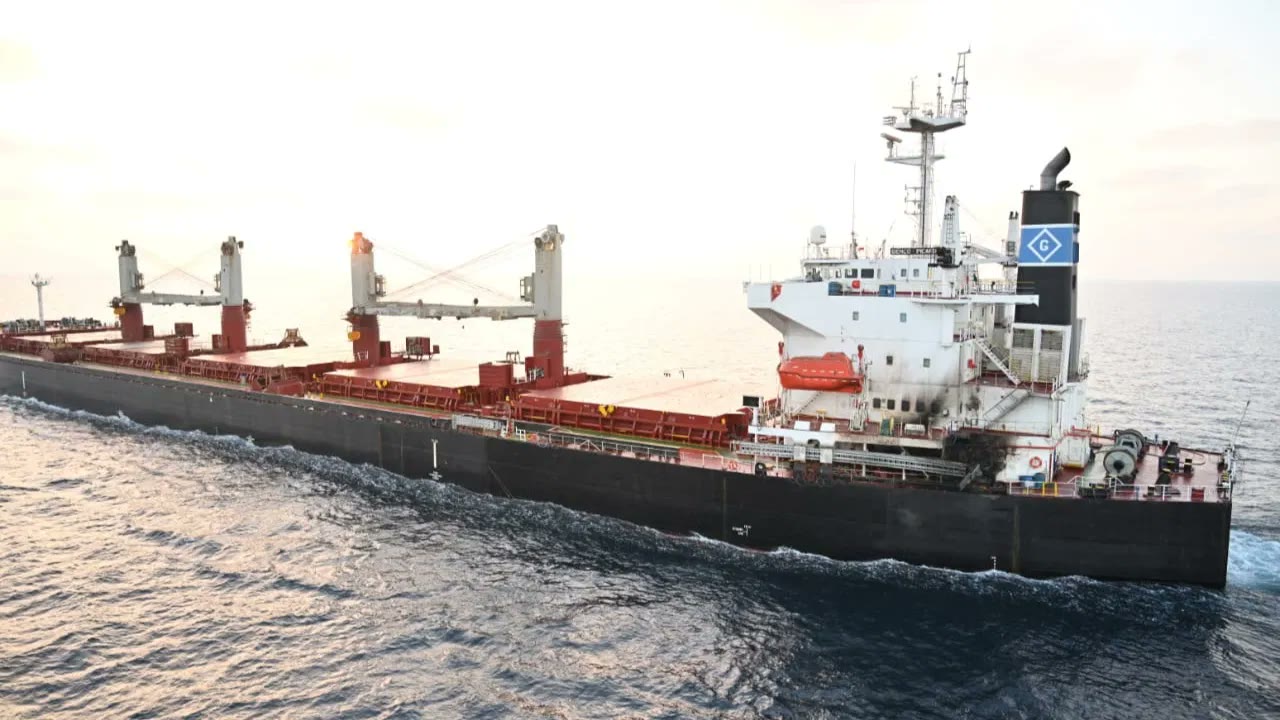
Armed men boarded a cargo ship in the Gulf of Aden on Saturday morning, seized control of the vessel, and then left it hours later with all 19 crew members safe, according to the British maritime agency that tracks shipping security in the region. The vessel was identified by security officials as the MV Marsa Virgo, a Panama-flagged cargo ship owned by a company based in the United Arab Emirates — and the attackers, officials said, were six Somali gunmen who had crossed the gulf in a fishing boat.
Table of Contents
- What happened off Balhaf
- The ship and its crew
- Who the hijackers were, according to officials
- A swift end: the attackers leave
- Why this stretch of water matters
- What remains unclear
What happened off Balhaf
The incident began at 06:30 GMT on Saturday, November 28, when the master of the cargo ship reported that armed unauthorised persons had boarded the vessel 64 nautical miles — about 120 kilometres — southwest of Balhaf, on Yemen's southern coast. The United Kingdom Maritime Trade Operations agency, known as UKMTO, reported that the intruders were in command of the vessel, that the authorities had been informed, and advised other ships in the area to proceed with caution.
Balhaf sits on the Gulf of Aden, the waterway that links the Red Sea and the Suez Canal to the Arabian Sea. It is one of the busiest shipping corridors on earth, carrying a large share of the trade between Asia and Europe — and, for more than a decade, one of the most closely watched stretches of water in the world for maritime crime.
The ship and its crew
Three security officials in Puntland, the Somali region that is home to the main pirate networks, told AFP that the vessel was the MV Marsa Virgo, owned by Marsa Ocean Shipping, based in the United Arab Emirates, and sailing under the flag of Panama. The officials said 19 crew members were on board and that all of them had locked themselves in the ship's safe room — the reinforced citadel where crews are trained to shelter during a hijacking — as the gunmen took the bridge.
One official told AFP that the ship was being steered toward Somali waters after the boarding, a detail that, if accurate, pointed to the classic pattern of Somali piracy: seize a merchant vessel, sail it toward the Somali coast, and hold ship and crew for ransom. No ransom demand was reported at any point during the incident.
Who the hijackers were, according to officials
The account given to AFP by the Puntland officials describes a carefully planned operation rather than an opportunistic attack. Six gunmen, they said, left Puntland in a fishing boat and crossed the Gulf of Aden to Yemen. Once there, they embedded themselves among Somali refugees living in southern Yemen to avoid detection, and received weapons from local Somalis to carry out the attack.
That version of events has not been independently confirmed, and UKMTO itself did not name the attackers or the ship in its public notices. But the details fit the geography of the region: Puntland's coast faces Yemen across a gulf barely 300 kilometres wide at its narrowest, and Somali communities on both shores have long moved back and forth across it. A small fishing boat making the crossing, and gunmen blending into a refugee community on arrival, would be difficult for any patrol to detect — a reminder of how hard this coastline is to police, even with warships in the area.
A swift end: the attackers leave
The hijacking ended far more quickly than the long hostage ordeals that defined Somali piracy at its peak. In a later update, UKMTO confirmed that the armed individuals had left the ship, that its crew were safe, and that the vessel was proceeding to its next port of call, Gulf News reported.
Neither UKMTO nor the other official sources disclosed the identity of the armed individuals, the name of the cargo ship, or the circumstances surrounding the attackers' departure. It is not publicly known whether the gunmen left voluntarily, were deterred by the crew's refuge in the safe room, or were driven off by the approach of naval forces. What is clear is that the crew's decision to lock themselves in the citadel — standard practice taught to merchant crews sailing these waters — denied the hijackers the leverage that makes a hijacking profitable: hostages.
Why this stretch of water matters
Saturday's incident arrives at a moment when the waters around Yemen are already among the most dangerous for commercial shipping anywhere. Houthi forces in Yemen have attacked vessels in the Red Sea and Gulf of Aden for years, the United States has been enforcing a naval blockade on Iranian ports in the nearby Gulf, and earlier this month American forces disabled a ship attempting to breach that blockade. The region's shipping lanes are crowded with warships — and still, a fishing boat carrying six gunmen reached a merchant vessel undetected.
The return of Somali piracy is a separate threat layered on top of those conflicts. Piracy off Somalia was largely suppressed after 2012 by international naval patrols and armed guards aboard merchant ships, but attacks have crept back in recent years as attention and naval resources shifted toward the Houthi campaign and other crises. For a fuller picture of the fighting on the Yemeni coast itself, see our report on the escalation around Taiz and the Red Sea, and for the wider pattern of attacks on commercial shipping in the Gulf, our coverage of the US blockade enforcement in the Gulf of Oman.
For shipowners, the arithmetic is unforgiving. Rerouting around Africa adds weeks and millions of dollars to a voyage; sailing through the Gulf of Aden means accepting the risk of attack from several directions at once — missiles from the Yemeni shore, mines and drones in the Strait of Hormuz, and now, again, pirates in small boats. Saturday's hijacking lasted only hours and ended without casualties. The next one may not.
What remains unclear
Several questions are still unanswered, and the official accounts leave them open. It is not known what the attackers intended to do with the ship — whether they planned to take it to Somalia for ransom, or whether the operation was abandoned when the crew secured themselves in the citadel. It is not known whether any naval vessel intervened, or whether the gunmen simply left of their own accord. And it is not known whether the six men described by the Puntland officials will face any consequences, or whether they have already melted back into the coastal communities they came from.
What the incident does establish is that the pirate networks of Puntland retain both the intent and the capability to strike in the Gulf of Aden — and that a crew trained to reach the safe room quickly can still defeat a hijacking before it becomes a hostage crisis. For the shipping industry, that is both a warning and a lesson: the threat never fully went away, and the cheapest defence remains a crew that knows exactly what to do in the first minutes of an attack.
Frequently Asked Questions
What ship was hijacked off Yemen on November 28, 2026?
Security officials in Puntland identified the vessel as the MV Marsa Virgo, a Panama-flagged cargo ship owned by Marsa Ocean Shipping, based in the United Arab Emirates. UKMTO did not name the ship in its public notices.
Where did the hijacking take place?
The ship's master reported the boarding at 06:30 GMT, 64 nautical miles (about 120 kilometres) southwest of Balhaf, on Yemen's southern coast, in the Gulf of Aden.
Were any crew members hurt?
No. All 19 crew members locked themselves in the ship's safe room during the hijacking. UKMTO later confirmed the armed men had left the vessel and the crew were safe, with the ship proceeding to its next port of call.
Who were the hijackers?
Puntland security officials told AFP the attackers were six Somali gunmen who crossed the Gulf of Aden in a fishing boat, hid among Somali refugees in southern Yemen, and received weapons locally. This account has not been independently confirmed, and UKMTO did not identify the attackers.
Why does this incident matter for shipping?
The Gulf of Aden is a vital trade route between Asia and Europe via the Suez Canal. The hijacking shows Somali piracy is returning to waters already threatened by Houthi attacks and regional naval confrontations, raising the risk and cost of sailing through the corridor.