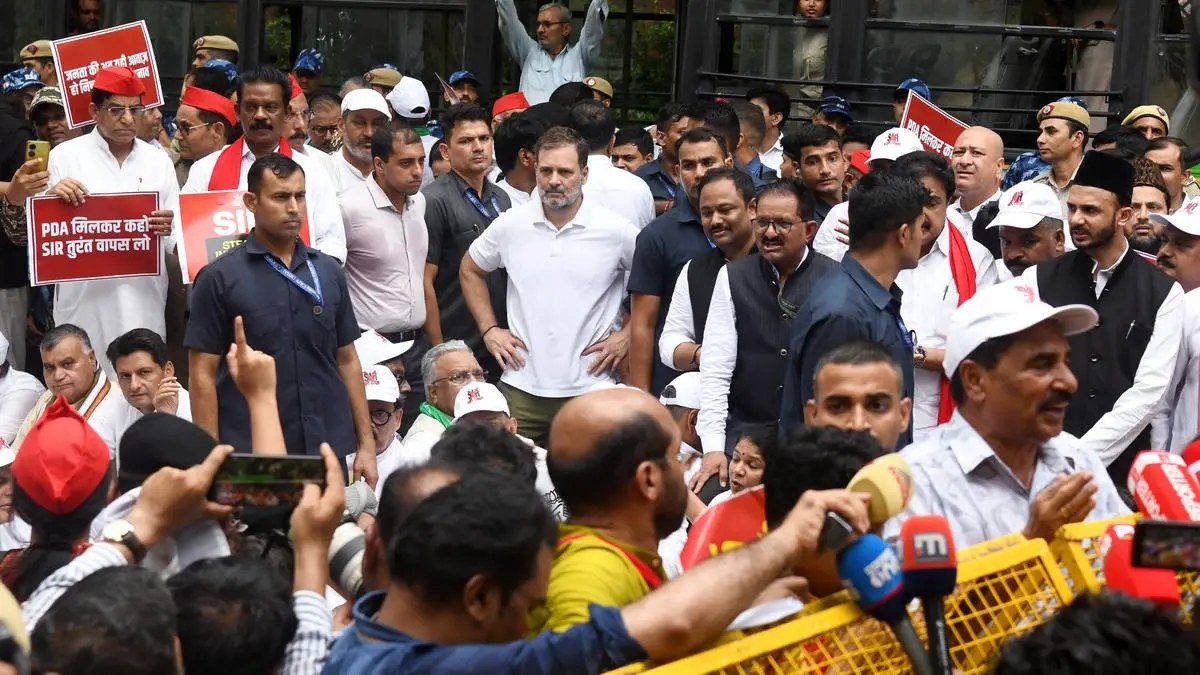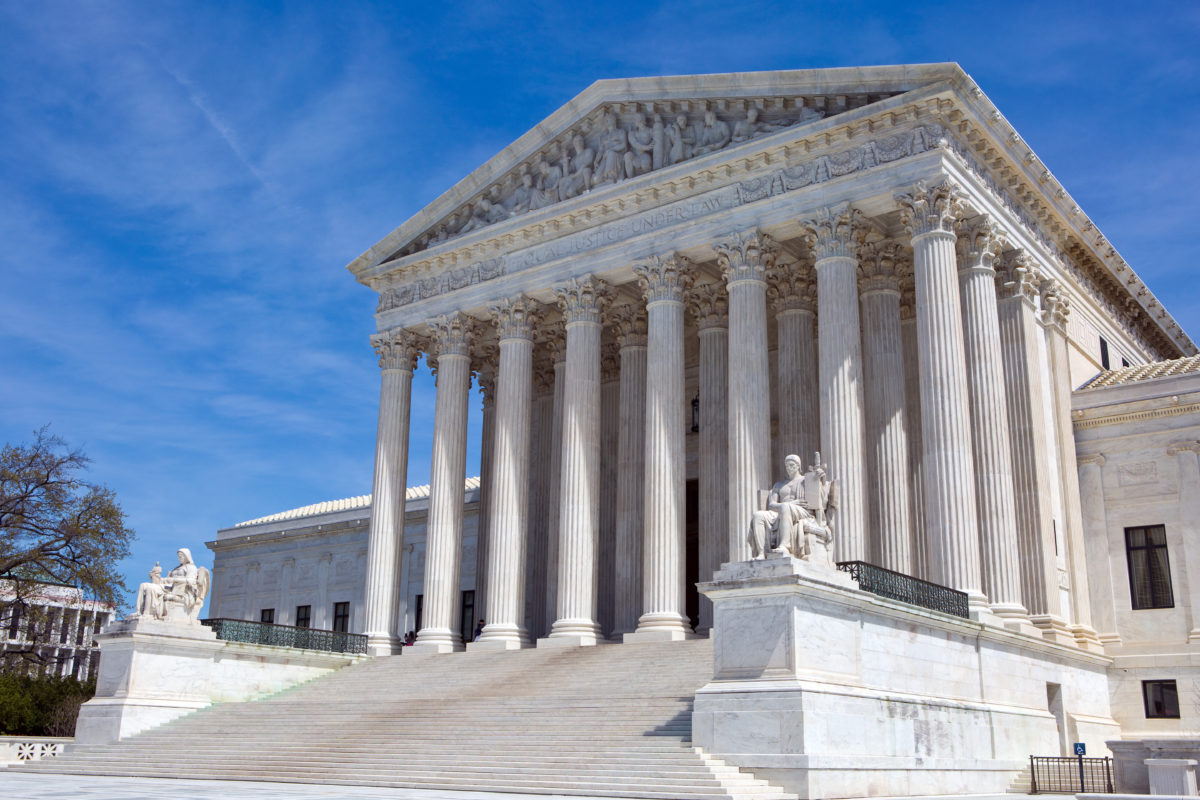
The US Supreme Court opened its nine-month term on Monday with arguments in one of the most consequential energy cases in years: a bid by ExxonMobil and Suncor Energy to throw out a climate-damages lawsuit brought by the city and county of Boulder, Colorado. The companies argue that climate policy belongs to Congress and the federal government, not to state courts — and nearly 60 similar lawsuits by state and local governments across the country hang on the outcome, according to Reuters.
What Boulder is asking for
Boulder's city and county governments have accused the two oil giants of helping drive climate change while misleading the public about the risks of fossil fuels. Their lawsuit, filed in Colorado state court, seeks to hold the companies liable under state law for past and future climate costs — infrastructure repairs, environmental damage, emergency management and harms to public health.
"For more than eight years, the City of Boulder and Boulder County have sought something very basic: the opportunity to have our concerns heard," county commissioner Ashley Stolzmann said outside the court, according to EarthRights International. Commissioners pointed to worsening air quality, destructive wildfires, dangerous heat, historic flooding and prolonged drought: "Come to Boulder County, and you will see that climate change is no abstract threat."
Big Oil's argument — and the Trump administration's backing
ExxonMobil and Suncor counter that climate change is a global problem that must be addressed through national policy, not through state-law lawsuits brought by individual localities. They argue that federal authority under the Clean Air Act preempts Boulder's claims, and have told the justices that nearly 60 state and local governments have filed similar suits seeking billions of dollars — a trend that "will continue to be filed" unless the court intervenes.
The Trump administration has sided with the companies, arguing that the federal government's authority to regulate air pollution precludes Boulder's claims. A ruling in favor of the oil firms could lead to many of the pending cases being dismissed.
Supporters of Boulder, including environmental groups and Democratic-led governments, filed roughly 28 amicus briefs arguing the case should go to trial. Free-speech advocates raised a different concern: that imposing liability partly over the companies' public statements and political advocacy could implicate the First Amendment.
Alito's recusal and the eight-justice court
Justice Samuel Alito recused himself from the case just over a week before arguments, leaving eight justices on the bench. The court's clerk informed the parties that Alito "has determined that he will not continue to participate in this case," without giving an explanation, as reported by the Daily Caller. Alito owns stock in several oil and gas companies — though not in ExxonMobil or Suncor — and had previously stepped aside when the litigation reached the court at an earlier stage in 2023.
The justices also considered a threshold question: whether the Supreme Court even has jurisdiction to hear the case at this stage. No decision was issued after Monday's arguments; a ruling is expected in the coming months.
A term packed with blockbuster cases
The Boulder case is the first of several major disputes teed up for the new term, which opens — as is custom — on the first Monday in October. Also on the docket: challenges involving the Trump administration's hardline immigration policies and state-level bans on assault-style rifles. The court's 6–3 conservative majority has moved US law dramatically rightward in recent years, and the Boulder arguments mark the latest example of energy companies asking the justices to block climate-related liability or limit federal environmental regulation.
Whether a single county can force the world's largest oil companies to pay for a warming planet — or whether only Washington gets to set those rules — is now in the justices' hands.
Related: the court's climate and energy docket echoes the energy transition debates playing out elsewhere in the US — see our coverage of record US natural gas production and Pacific climate action ahead of COP31.
Table of Contents
- What Boulder is asking for
- Big Oil's argument — and the Trump administration's backing
- Alito's recusal and the eight-justice court
- A term packed with blockbuster cases
- Frequently Asked Questions
Frequently Asked Questions
What is the Suncor v. Boulder County case about?
It is a lawsuit by the City of Boulder and Boulder County, Colorado, against ExxonMobil and Suncor Energy, seeking monetary damages under state law for harms caused by climate change — and for allegedly misleading the public about fossil-fuel risks. The companies want the Supreme Court to throw the case out before trial.
Why does the case matter beyond Boulder?
Nearly 60 state and local governments have filed similar suits seeking billions of dollars from fossil-fuel companies. A Supreme Court ruling siding with ExxonMobil and Suncor could lead to many of those cases being dismissed.
Why did Justice Alito recuse himself?
Alito owns stock in several oil and gas companies, though not in either defendant. He did not explain his recusal but had also stepped aside at an earlier stage of the litigation in 2023, leaving eight justices to hear the arguments.
When will the Supreme Court decide?
No decision was announced after the October 5 arguments. Rulings in argued cases are typically issued by the end of the term, in late June or early July 2027.