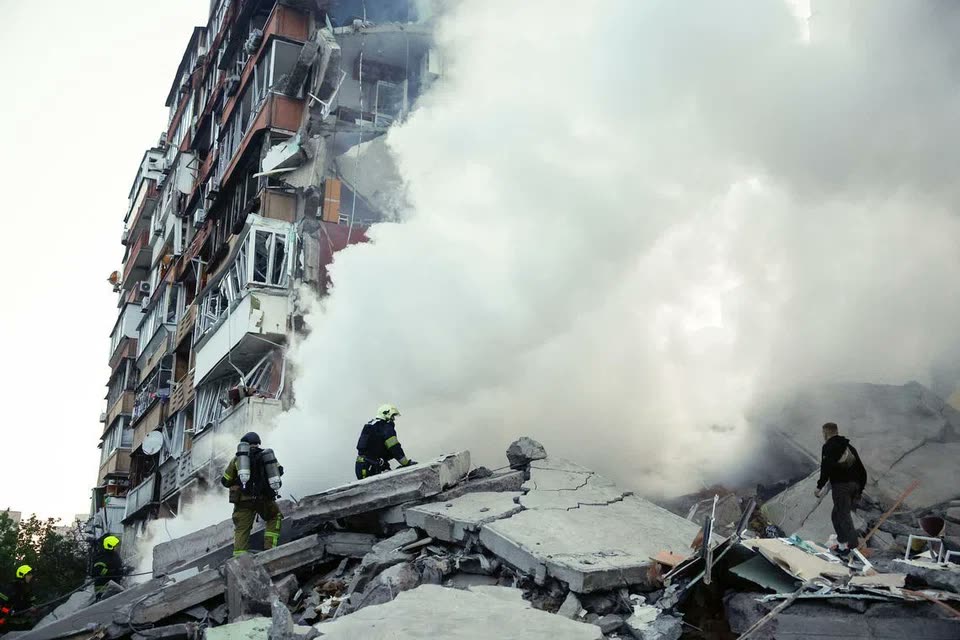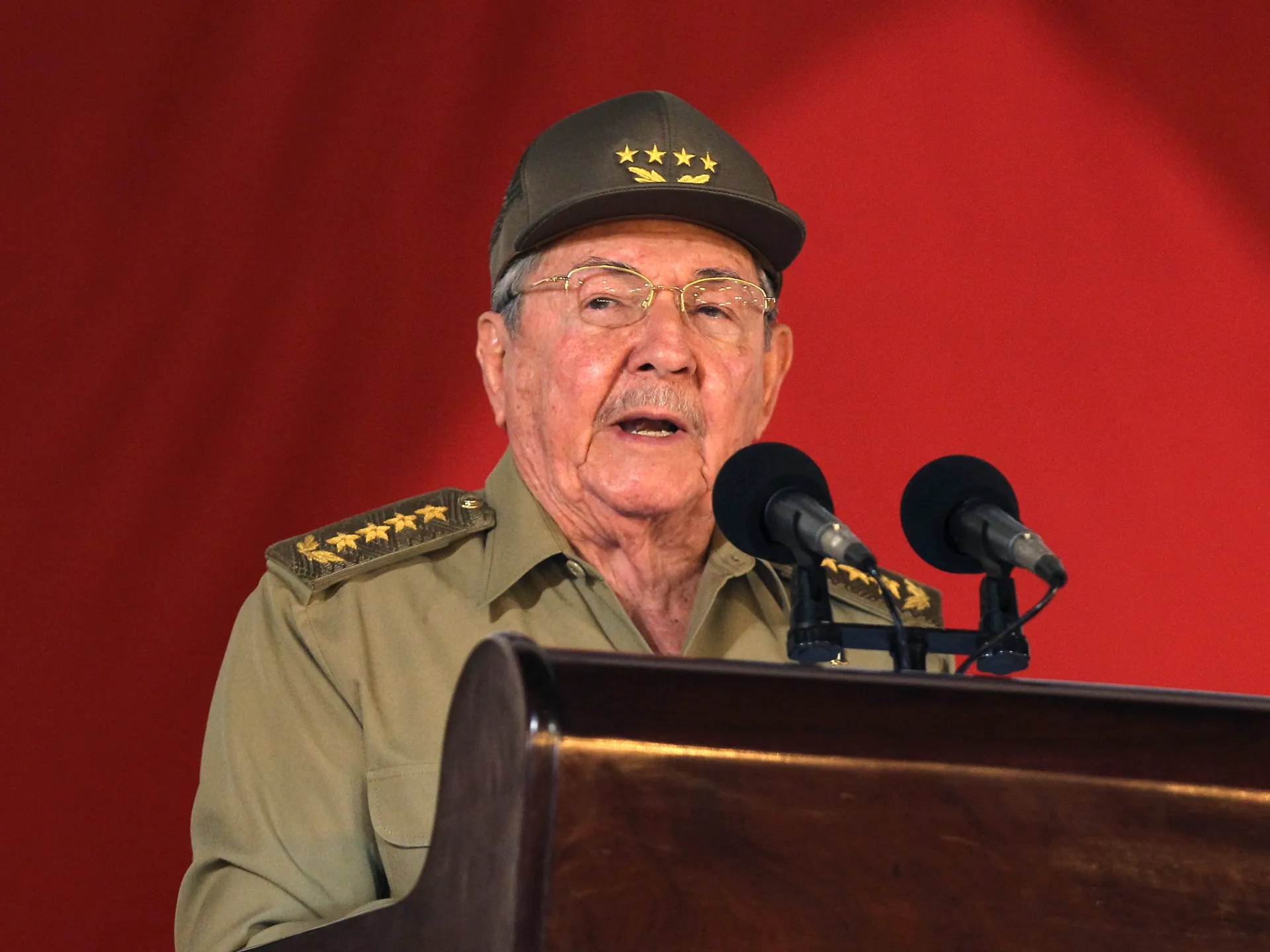
Thirty years after Cuban fighter jets shot down two unarmed civilian aircraft off the Florida coast, the state of Florida has charged former Cuban leader Raúl Castro with conspiracy to commit first-degree murder. Attorney General James Uthmeier announced the state arrest warrant on October 19, accusing Castro of ordering the 1996 attack that killed four men aboard two Brothers to the Rescue planes.
The no-bond warrant was signed by Chief Judge Ariana Fajardo Orshan of Miami-Dade's Eleventh Judicial Circuit, following a joint investigation by the Florida Department of Law Enforcement and the attorney general's Office of Statewide Prosecution, USA Today reported.
"Cold-blooded murder"
Uthmeier unveiled the warrant at a news conference at Florida International University in Miami, delivering one of the sharpest official denunciations of the Cuban government in years.
"Raúl Castro ordered the murder of four Floridians in cold blood, and Florida will never stop pursuing accountability for that communist conspiracy," Uthmeier said, as reported by USA Today. "Thirty years later, we are still fighting for justice for Carlos Costa, Pablo Morales, Mario de la Peña and Armando Alejandre Jr."
The warrant charges the 95-year-old former president — then Cuba's defence minister and first vice president — with a single count of conspiracy to commit first-degree murder, a first-degree felony. The affidavit alleges that Cuban intelligence agents infiltrated the Miami-based Brothers to the Rescue group in Miami and Key West, feeding Havana flight schedules and surveillance information that allowed Cuban MiGs to intercept the two aircraft on February 24, 1996, Anadolu Agency reported.
According to the affidavit, the spy network instructed its informants not to fly with the group between February 24 and 27, 1996 — and one informant left Florida and returned to Cuba on February 23, the day before the shootdown. Prosecutors argue this sequence establishes probable cause that Castro agreed with others to commit the murders from within Florida's jurisdiction.
What happened in February 1996
The shootdown remains one of the most bitterly contested episodes in modern US-Cuba relations. On February 24, 1996, Cuban fighter jets downed two small aircraft operated by Brothers to the Rescue — Hermanos al Rescate — a Florida-based nonprofit of Cuban exiles that flew missions searching for rafters fleeing the island and dropped pro-democracy leaflets. All four crew members were killed: Costa, Morales, de la Peña and Alejandre, three of them US citizens.
Cuba maintained the planes had entered its airspace and justified the action as self-defence. The United States, backed by a finding from the International Civil Aviation Organization, said the aircraft were over international waters when they were destroyed.
The case landed in a politically charged moment then, too: it helped spur passage of the 1996 Helms-Burton Act, which tightened the US embargo on Cuba. For South Florida's Cuban-American community, the memory has never faded.
A state case alongside the federal one
The Florida warrant does not stand alone. In May 2026, the US Department of Justice unsealed a federal indictment against Castro and five other defendants — Lorenzo Alberto Perez-Perez, Emilio Jose Palacio Blanco, Jose Fidel Gual Barzaga, Raul Simanca Cardenas and Luis Raul Gonzalez-Pardo Rodriguez — on four counts of murder, two counts of destruction of aircraft and conspiracy to kill US nationals, Radio Purple reported. One of the accused officers was transferred to US custody in June 2026.
Castro himself remains in Cuba, where he stepped down as president in 2018 and retired from public office in 2021. Neither the federal indictment nor the new Florida warrant can be executed while he stays on the island — a practical limitation that makes the prosecutions largely symbolic for now, even as they carry enormous political weight.
The move also comes at a delicate point in US-Cuba relations. The island's fragile infrastructure continues to make headlines, while American naval forces have been monitoring Cuban-flagged vessels in Caribbean waters — a sign of how little trust remains between the two capitals.
Why Florida acted now
State prosecutors are leaning on a jurisdictional argument that Florida courts have jurisdiction because the conspiracy's spy work happened in Miami and Key West. "It was not an accident what happened. It was murder," Uthmeier said at the news conference. "The evidence makes abundantly clear that there was a conspiracy."
The timing — barely two weeks before the US midterm elections, with Florida's Cuban-American vote a perennial force in the state's politics — will not escape scrutiny. Uthmeier, a close ally of Governor Ron DeSantis, has made confrontation with Havana a signature of his tenure. Critics may call it theatre aimed at a sympathetic constituency; supporters will call it the pursuit of justice that federal authorities took decades to attempt.
What is certain is that the case revives one of the darkest chapters of the Cuba-US conflict for a new generation. The families of the four men killed have pressed for accountability for 30 years. Cuba, for its part, has historically rejected US legal proceedings against its officials as illegitimate political provocations — a stance Havana is expected to repeat in the coming days.
What comes next
The warrant's practical effect is limited unless Castro leaves Cuba for a jurisdiction willing to surrender him — an improbable scenario for the 95-year-old. But it creates a permanent state-level charge that outlives any single administration's diplomatic calculations, and it sharpens the legal pressure alongside the federal case.
For the victims' families, Monday's announcement was about something simpler: recognition. As Uthmeier put it: Florida will never stop pursuing accountability.
Frequently Asked Questions
What is the Florida arrest warrant for Raúl Castro about?
A Florida judge signed a no-bond warrant charging former Cuban leader Raúl Castro with one count of conspiracy to commit first-degree murder over the February 24, 1996 shootdown of two Brothers to the Rescue civilian planes by Cuban fighter jets, which killed four people. The warrant was announced by Florida Attorney General James Uthmeier on October 19, 2026.
What evidence does Florida cite?
The affidavit alleges that Cuban intelligence agents infiltrated the Miami-based Brothers to the Rescue group in Miami and Key West, relayed flight information to Havana, and were told not to fly between February 24 and 27, 1996 — with one informant returning to Cuba on February 23, the day before the shootdown. Prosecutors say this establishes the conspiracy within Florida's jurisdiction.
Is there a separate federal case?
Yes. In May 2026, the US Department of Justice indicted Castro and five other defendants on four murder counts, two counts of destruction of aircraft and conspiracy to kill US nationals. One accused officer was transferred to US custody in June 2026. The Florida state case runs parallel to the federal prosecution.
Can Castro actually be arrested?
Almost certainly not while he remains in Cuba, which does not extradite its officials to the United States. The warrant would only be executable if Castro entered a jurisdiction willing to surrender him — making the case largely symbolic but legally enduring.
Who were the victims?
Carlos Costa, Pablo Morales, Mario de la Peña and Armando Alejandre Jr. — four crew members of the Brothers to the Rescue group, three of them US citizens, killed when their two unarmed planes were shot down by Cuban MiGs on February 24, 1996.