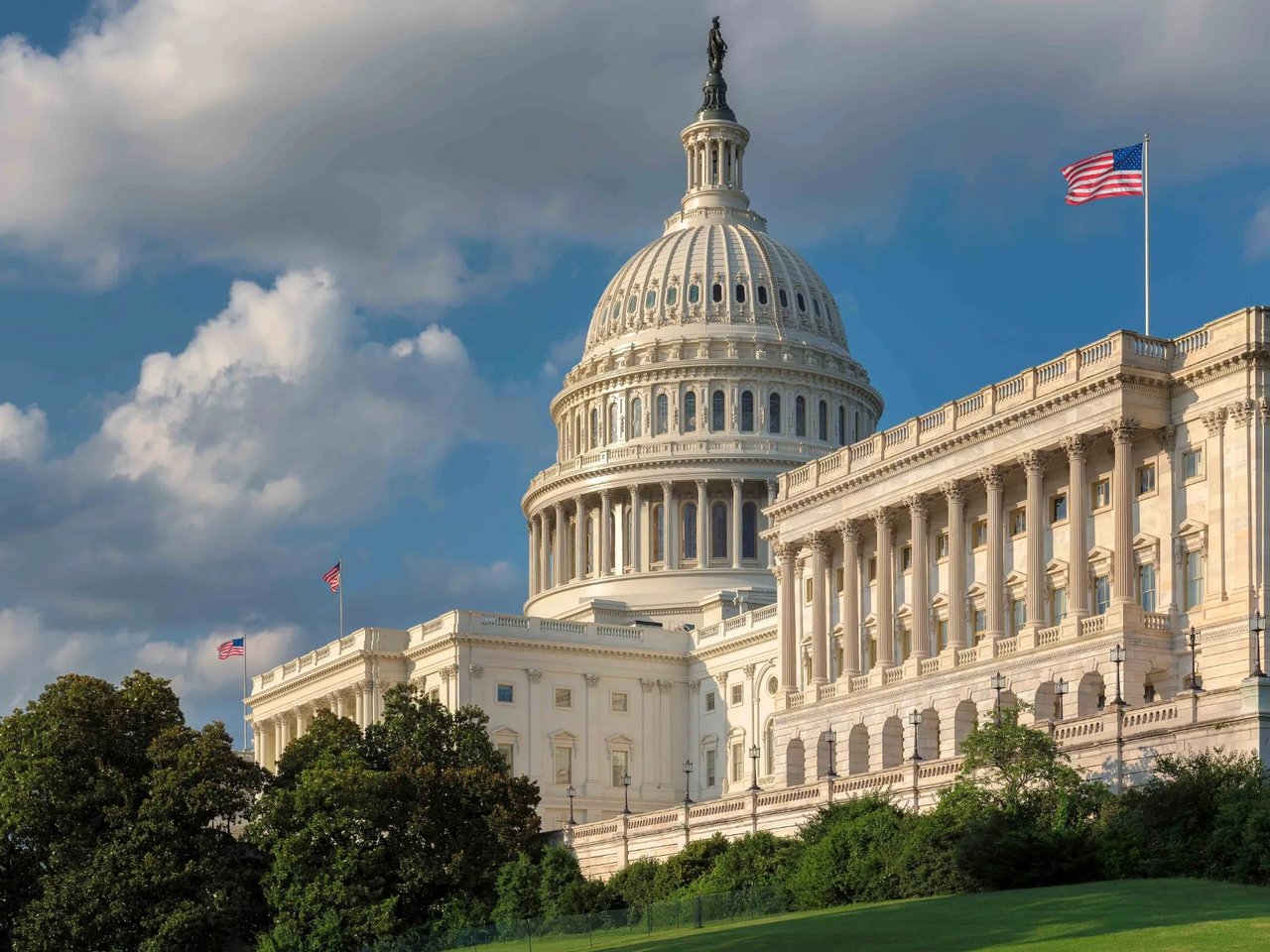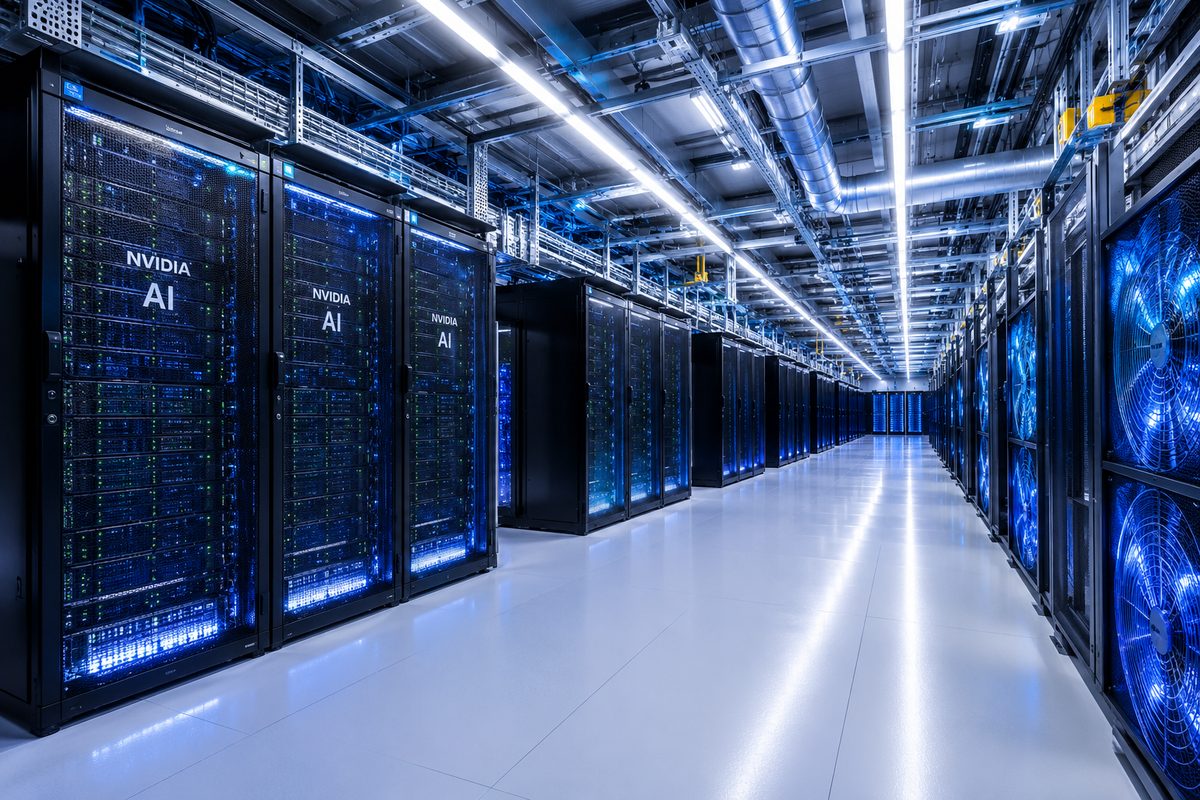
Microsoft has pulled out of its deal to be the anchor tenant at Nscale's flagship AI data centre in Loughton, Essex — the project ministers once billed as the largest "UK sovereign" AI data centre. The decision, first reported by The Telegraph, followed confirmation that UK Power Networks could not guarantee enough electricity for the site until the 2030s — a power bottleneck that has become the binding constraint on Britain's artificial-intelligence ambitions.
Microsoft informed Nscale on October 18 that it was terminating the agreement, under which it was expected to rent computing capacity from the £2 billion site, initially set to come online next year with 23,040 Nvidia GB300 GPUs delivering 50 megawatts of AI computing capacity to power Microsoft's Azure services in Britain. The company declined to comment, but Reuters quoted a Microsoft spokesperson saying on October 19: "This decision relates to a single site," adding that the company remained committed to its partnership with Nscale.
A state-visit showpiece, thirteen months on
The Loughton project was announced in September 2025 amid the flurry of technology deals unveiled during President Trump's state visit to Britain, part of a US-UK technology partnership meant to showcase the country as a global AI leader. Nvidia CEO Jensen Huang appeared on stage with Microsoft leadership, and the BBC reported at the time that the Essex site would create up to 250 permanent jobs and open in 2026.
Keir Starmer's government included the project in its 2025 AI strategy announcement, describing it as the cornerstone of Britain's sovereign AI infrastructure. But doubts surfaced early: in March 2026, The Guardian revealed that the site described in government press releases was still an operational scaffolding yard. Nscale has since cleared the site, but the deeper problem was the grid. A month ago, UK Power Networks — which manages the electricity network across London and south-east England — told the company it would not have enough power for the facility until the early to mid-2030s.
Microsoft was the project's only publicly announced customer. Its withdrawal leaves the 2-billion-pound development in apparent limbo and removes a showpiece client for a company that filed for a US initial public offering last month, with a potential valuation of $35 billion.
"An unfortunate London-wide grid issue"
Nscale attributed the development squarely to infrastructure beyond its control. "Our relationship with Microsoft remains strong and long-term, and this unfortunate London-wide grid issue has no impact on our other contracts," a company spokesperson told Reuters. "We remain committed to both the Loughton project and the UK, and we are exploring alternative power sources for the site, as well as other expansion sites in the UK."
The Times notes that the Loughton site represents only a small proportion of Nscale's overall $103 billion in contracted revenues with Microsoft, which include other developments in Portugal, the US and Norway — though the Norway project is also reportedly behind schedule.
Still, the symbolism is damaging. The government anchored its AI strategy on two Nvidia-backed companies: the London-based Nscale and the US firm CoreWeave. Losing the only named anchor tenant at its flagship site undermines the strategy's central claim — that Britain can build world-class AI infrastructure at home — just as investors are being asked to value the company at $35 billion.
The real bottleneck: power, not chips
The episode crystallises a shift in the global AI race. The constraint is no longer just access to advanced chips — it is electricity. Bottlenecks in grid connection queues can delay British data-centre projects by as long as 13 years, Channel News Asia reported, citing industry estimates. High electricity prices and decade-long connection queues are turning the UK's energy system into the ceiling on its AI ambitions.
Britain is not alone in feeling the squeeze. Across the Atlantic, the United States is reviving shuttered nuclear plants — a $4.4 billion bet to restore 2.25 gigawatts of capacity for AI-driven electricity demand — while communities from South Africa to Indonesia are pushing back against data-centre expansions that strain local water and power supplies. The pattern is the same everywhere: the AI boom's appetite for power is outrunning the grids built for a pre-AI economy.
What happens next
Nscale says it is exploring on-site power generation — likely gas turbines or other local sources — to bypass the grid queue, and is scouting alternative expansion sites across the UK. Whether that can rescue a project whose timeline has already slipped from 2026 to the mid-2030s remains to be seen.
For Microsoft, the move appears surgical rather than strategic: it keeps its broader relationship with Nscale intact, including the roughly 200,000 GPUs reportedly contracted across the company's US and European sites, and walks away only from the one building that has no electricity to run on. As one analyst framing has it: a £2 billion data centre without power is just a building.
The deeper question is for Westminster. The UK promised to make Britain an AI superpower; its flagship project now has no anchor customer, no power connection, and no firm opening date. Grid reform — faster connections, cheaper industrial power — is slower and less photogenic than ribbon-cuttings, but October 2026 has made it the decisive policy. Without it, the supercomputers will be built somewhere else.
Frequently Asked Questions
Why did Microsoft pull out of the Nscale deal?
Microsoft terminated its agreement to be the anchor tenant at Nscale's Loughton, Essex data centre after UK Power Networks told Nscale the site could not get sufficient grid power until the 2030s, pushing the project's operational date years beyond the planned 2026 opening.
Was the Loughton data centre cancelled entirely?
No. Nscale says it remains committed to the Loughton project and is exploring alternative power sources for the site, including on-site generation, plus other expansion sites in the UK. However, Microsoft — its only publicly announced customer for the site — is now gone.
How big was the planned facility?
The £2 billion project was to house more than 23,000 Nvidia GB300 GPUs providing 50 megawatts of AI computing capacity, billed as the largest "UK sovereign" AI data centre, supporting Microsoft's Azure services in Britain.
Does this affect Microsoft's wider relationship with Nscale?
Both companies say no. Microsoft said the decision "relates to a single site," and Nscale said the "London-wide grid issue has no impact on our other contracts," which reportedly cover developments in Portugal, the US and Norway worth $103 billion in contracted revenues.
Why is grid power such a bottleneck for AI data centres in the UK?
High electricity prices and very long grid-connection queues — delays of up to 13 years in some cases — mean new data centres cannot get enough power when they need it. The problem is structural: AI computing demand is growing far faster than grid upgrades.