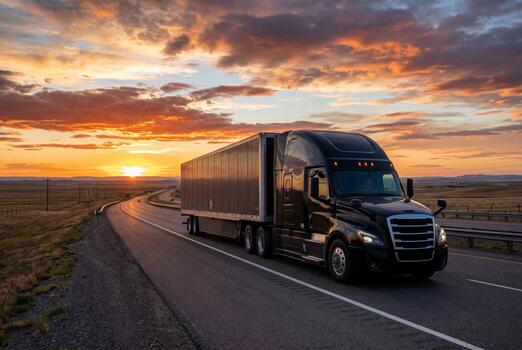
There is nobody behind the wheel. Drive Interstate 45 between Dallas and Houston on any given day and you may pass a fully loaded 18-wheeler cruising in the right lane with an empty driver's seat. That is Aurora Innovation, the autonomous-trucking company that has quietly moved from supervised testing into commercial driverless freight — and it is now scaling harder than any self-driving company before it. With a new Fort Worth–El Paso lane open, a federal regulatory win secured, and a plan to field 200 driverless trucks by the end of the year, Aurora's experiment is about to become a visible feature of American highway life. The open question is whether the technology, the economics and the workforce are ready for that leap.
Table of Contents
- What is happening on Texas highways right now
- The expansion: El Paso lane and 200 trucks by year-end
- The regulatory breakthrough the industry waited for
- The economics: why the numbers have to work this time
- The safety question that will not go away
- The drivers: a labour shortage meets automation
- Frequently Asked Questions
What is happening on Texas highways right now
Aurora Innovation, founded by former Google self-driving chief Chris Urmson, began commercial driverless operations on the Dallas–Houston corridor in May 2025. Since then its fleet has logged hundreds of thousands of driverless miles, hauling freight for customers including Werner, Schneider, Hirschbach, FedEx, Ryder and Uber Freight, according to Startup Fortune's reporting. Its "Aurora Driver" system — a blend of long-range lidar, radar and cameras — handles the long-haul middle mile while human logistics workers continue managing terminals, local delivery and customer-facing work.
The trucks are not research curiosities any more. They are carrying paying freight, on public interstates, in regular commercial service. As Self Drive News reported, the company recently surpassed 100,000 driverless miles on public roads with what it calls a perfect on-time and safety record.
The expansion: El Paso lane and 200 trucks by year-end
The most recent milestone is a second fully driverless lane: a 600-mile route from Fort Worth to El Paso, opened just six months after the inaugural Dallas–Houston deployment. The new corridor is particularly gruelling for human drivers — a ten-hour haul with limited rest opportunities — which Aurora argues is precisely where the business case for autonomy is strongest.
From there, the plans accelerate sharply. Aurora is operating about 20 driverless trucks today and is targeting a production rate of 20 new trucks per week by the fourth quarter of 2026, aiming to close the year near 200 vehicles, CNBC and Digital Today reported. Beyond that, the company's Analyst & Investor Day in September 2026 set targets of more than 1,000 trucks by the end of 2027 and 30,000 by 2030 — with revenue above $5 billion a year at roughly 60% gross margins, per WebProNews.
The regulatory breakthrough the industry waited for
For years, one small rule threatened the whole model. Federal regulations required a driver who pulls over a big rig to step out within ten minutes, activate hazard lights and place reflective warning triangles on the road. A driverless truck has nobody aboard to do that — a regulatory impossibility baked into the rules.
Aurora sued after an initial 2024 denial, and this month the Federal Motor Carrier Safety Administration granted a five-year exemption allowing operators to swap the triangles for cab-mounted beacons, WebProNews reported. The exemption applies industry-wide, benefiting competitors such as Kodiak AI as well. Daniel Goff, Kodiak's vice president of external affairs, said the move will help "usher in an autonomous era of freight movement on U.S. roads." For a sector that has waited years for regulators to resolve logical paradoxes like this one, it is a genuine turning point.
The economics: why the numbers have to work this time
The self-driving industry's graveyard is full of companies that solved the engineering and fumbled the economics. Aurora knows it. Its pitch, in Urmson's telling, is straightforward: driverless trucks save fuel, move freight faster and can run up to 20 hours a day because they are not bound by human rest-time rules.
The analysts are cautiously receptive. Bank of America estimated Aurora's service cost at about $0.85 per mile against roughly $1.30 per mile in driver wages and benefits — though it stressed the figures use different cost ranges and the savings are not yet confirmed. Morgan Stanley estimated profitability for a driverless fleet could be about 7.5 times higher than a human-driven one. Aurora itself says it has now logged more than 500,000 driverless miles since commercial launch, data it will need to convert into proof of unit economics as the fleet grows tenfold.
The safety question that will not go away
The Financial Express recently asked the question on everyone's mind: are driverless 18-wheelers ready for every emergency? The honest answer is that nobody outside Aurora can fully verify the claim yet. The company reported driving about 440,000 miles without a driver through the end of June. But even friendly coverage has noted hiccups — during one media ride-along, a truck stopped for less than a minute to reset hazard lights for an unknown cause.
An 80,000-pound vehicle at highway speed in rain, construction zones or around unpredictable drivers is the hardest test in autonomy. Aurora says its long-range lidar can see up to 1,000 metres ahead on its next-generation hardware, and its record so far is clean. But the transition from 20 trucks on two well-mapped Texas corridors to hundreds of trucks — and eventually thousands — is precisely the phase where edge cases multiply. The regulatory exemption and the mileage claims are reasons for confidence, not proofs of safety.
The drivers: a labour shortage meets automation
The industry's structural tailwind is real: America moves roughly 70% of its freight by truck — more than 11 billion tons a year — while facing a shortage of qualified drivers estimated above 80,000 positions today and projected to exceed 160,000 by decade's end, per WebProNews.
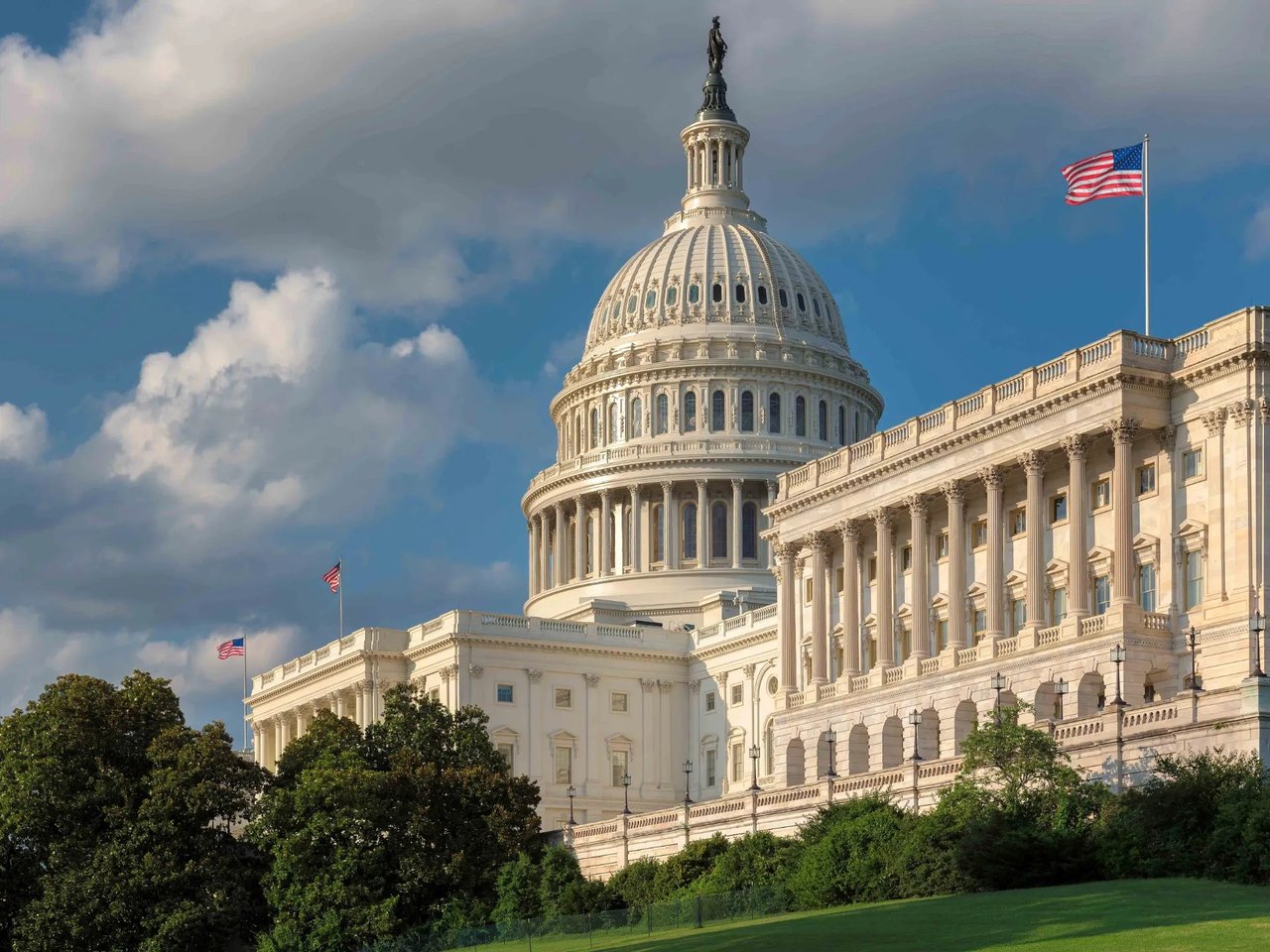
But sceptics in the field push back hard on the "driver shortage" framing. uShip CEO Sean Wu argued that drivers are responsible for far more than steering — customer service, cargo protection and on-site judgment that no camera array can replicate. The labour question remains the most politically sensitive part of the story: as our earlier coverage of Trump's AI and "super intelligence" agenda has shown, Washington is betting heavily on American technological leadership, while the workers in the cabs — or rather, no longer in the cabs — watch nervously from the sidelines.
Frequently Asked Questions
How many driverless trucks is Aurora operating right now?
About 20 fully driverless semi-trucks are operating commercially on Texas highways with no safety driver aboard, and the company is targeting around 200 by the end of 2026 — a tenfold increase.
Which routes do Aurora's driverless trucks run?
The company runs two fully driverless freight lanes in Texas: the original Dallas–Houston corridor on Interstate 45, and a newer 600-mile Fort Worth–El Paso route on Interstate 20.
Are driverless trucks legal on US highways?
Yes, under state and federal rules, and the picture recently improved: the Federal Motor Carrier Safety Administration granted a five-year exemption letting autonomous trucks use cab-mounted beacons instead of roadside warning triangles, removing a long-standing regulatory barrier.
Is autonomous trucking profitable yet?
Not yet. Bank of America estimated driverless service costs at about $0.85 per mile versus roughly $1.30 per mile for driver wages and benefits, but those figures are estimates with different cost ranges, and Aurora still loses money on every mile today.
What about the truck drivers' jobs?
The industry faces an estimated shortage of more than 80,000 drivers today, which companies say autonomy helps fill. Critics counter that drivers perform customer service, cargo protection and on-site judgment that automation cannot fully replace.