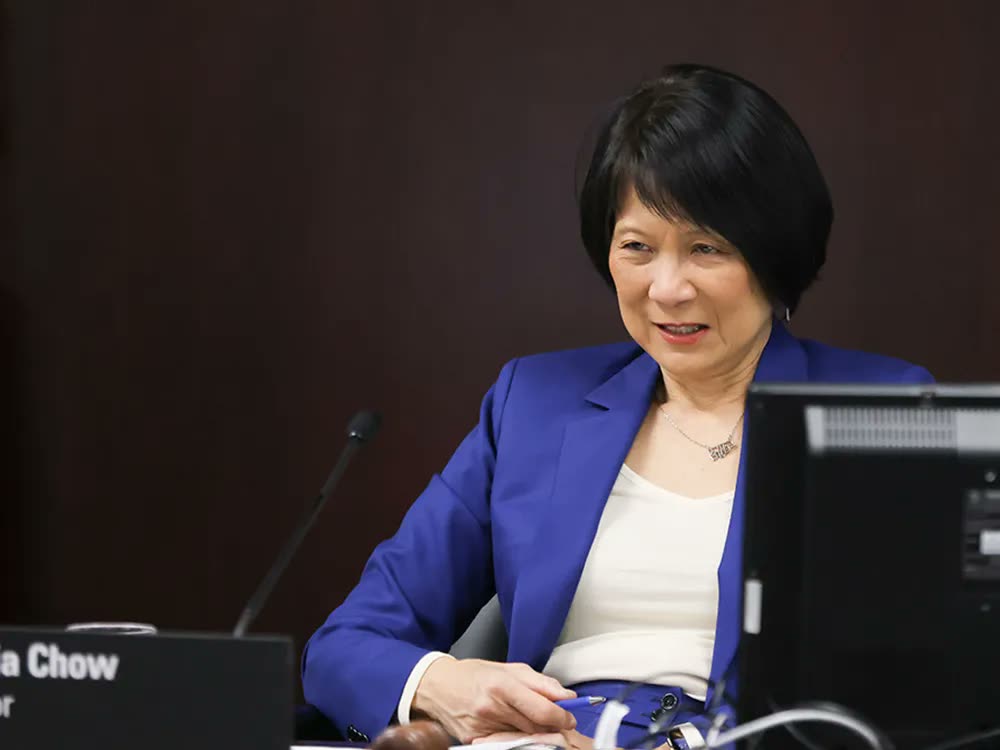
Toronto Mayor Olivia Chow has won a decisive second term, defeating city councillor Brad Bradford with about 54% of the vote in the city's 2026 municipal election, according to unofficial results reported on Monday night. Bradford finished with roughly 41%, leaving Chow more than 120,000 votes ahead in a race that polls had suggested would be far closer.
The 69-year-old, who first became mayor in a 2023 byelection, will now serve her first full four-year term leading Canada's largest city. Her victory came with a record personal vote haul of more than 530,000 ballots — nearly double the total she received when first elected — and was accompanied by a wave of support for progressive council candidates, suggesting voters endorsed her direction rather than merely her record.
Table of Contents
- A race that looked tight until it wasn't
- What Chow promised for the next four years
- Bradford's campaign and concession
- A new-look council
- Why the result matters beyond Toronto
- Frequently Asked Questions
A race that looked tight until it wasn't
For weeks, polling had pointed to a dead heat between two candidates offering sharply different visions for Canada's largest city. A Liaison Strategies poll released days before the vote had Bradford slightly ahead, and Chow herself warned supporters the contest would be "neck and neck," according to CP24.
Election night told a different story. Early returns briefly had Bradford in front, but Chow pulled away once more of the city's polls reported, and local television networks projected her win while ballots were still being counted. The final unofficial tally showed a gap of well over 100,000 votes, a 13-percentage-point margin that surprised many observers.
Turnout also surged. Early in Monday night's count, the number of ballots counted was already roughly double the 563,124 cast in 2022, and the overall turnout rate reached about 46%, according to local coverage of the count. The results remain unofficial until certified by the city clerk.
The race had begun with 53 names on the ballot but quickly became a two-person fight after former Conservative MP Chris Alexander dropped out on the first day of advance voting, and culture journalist Odessa Paloma Parker withdrew and urged her supporters to back Chow.
What Chow promised for the next four years
Chow campaigned on protecting public services, improving Toronto Transit Commission (TTC) services, expanding affordable housing and increasing funding for youth violence prevention. She also promised measures to reduce grocery costs and provide free school lunches, according to The News.
Her platform stayed close to her record, focusing on renters, transit fares and a school nutrition programme. Specific pledges included a 10-ride fare cap on the TTC, enhanced protections for renters, a school lunch programme, tax cuts for independent grocers and continued work to build more affordable housing, as reported by The Standard.
In her victory speech, Chow struck a unifying note. "Every person who calls Toronto home, whatever your background, whatever you believe, whoever you love, wherever you live. I will listen to you," she told supporters.
Her campaign leaned on her long experience in Toronto politics. Before becoming mayor she served as a school board trustee, a city councillor and a federal member of parliament. She argued that voters would accept her policies because they confronted a mounting affordability crisis, a problem she framed as one facing major cities around the world rather than Toronto alone.
The race narrowed significantly after Labour Day, with Bradford gaining ground. But the Chow campaign focused its message on Bradford's pledge to create a public utility company for the city's water and wastewater, arguing it would open the door to privatisation — an attack that appears to have landed with voters.
Bradford's campaign and concession
Bradford, a Toronto city councillor and vocal critic of Chow, focused his campaign on crime, traffic congestion and affordability. He stepped away from his council seat in Beaches–East York to run for mayor, having previously challenged Chow in the 2023 byelection, where he placed eighth.
Following his defeat, Bradford congratulated Chow and called for unity. "When the mayor succeeds, whether that's mayor Bradford or mayor Chow or anybody else, Toronto succeeds," he said.
His campaign had also drawn attention for its criticism of Chow's record on public safety and city finances, but the scale of the defeat — losing by more than 120,000 votes despite weeks of close polling — suggests his message failed to break through with the broader electorate in the final days.
A new-look council
Chow's victory was not the only story of the night. Seven of the city's 25 council seats will have new faces when the next term begins, and several of her key allies were elected, giving her a more sympathetic council to work with.
They include former Liberal MP Nate Erskine-Smith, who won in Ward 19 Beaches–East York with Chow's endorsement, and her stepson Mike Layton. Political strategist Blue Knox said Chow ran a disciplined campaign and will find the new council easier to work with, with more progressive allies elected.
That matters because a mayor's agenda in Toronto depends heavily on council arithmetic. A friendlier chamber could make it easier for Chow to advance her housing, transit and school-nutrition plans in the next term, though she will still need to build majorities vote by vote.
Why the result matters beyond Toronto
Toronto is Canada's largest city and its economic engine, and its mayoral races are watched nationally as a barometer of the public mood. Chow's win is a victory for progressives at a time when affordability — housing costs, grocery prices, transit fares — dominates politics across the country, and it comes as Canadian cities grapple with strained budgets and pressure from higher levels of government.
The result also plays into the broader Canadian political conversation about the cost of living, an issue that has shaped federal politics as well, including Prime Minister Mark Carney's recent warnings about the Canada–United States relationship and the state of trade talks with Washington, covered in our earlier reporting on Carney's Alberta rally and Canada–US trade negotiations.
For Chow herself, the mandate is clear but the challenges are not small: delivering on school lunches, fare relief and new housing while keeping the city's finances in order. Her first full term will be judged on whether the progressive agenda voters endorsed on Monday night translates into services residents can feel.
Frequently Asked Questions
Who won the 2026 Toronto mayoral election?
Olivia Chow was re-elected mayor of Toronto, winning about 54% of the vote against roughly 41% for her main challenger, city councillor Brad Bradford, according to unofficial results.
How many votes did Olivia Chow receive?
Chow received a record haul of more than 530,000 votes, nearly double the total she won when first elected in the 2023 byelection. Bradford received about 404,000 votes.
Is this Chow's first full term as mayor?
Yes. Chow first became mayor in a June 2023 byelection following the resignation of her predecessor, John Tory. The 2026 victory gives her a first full four-year term.
What did Chow campaign on?
She campaigned on protecting public services, improving TTC services, expanding affordable housing, increasing funding for youth violence prevention, reducing grocery costs and providing free school lunches, including a 10-ride TTC fare cap and stronger renter protections.
Are the results official?
Not yet. The results reported on election night are unofficial until certified by Toronto's city clerk.