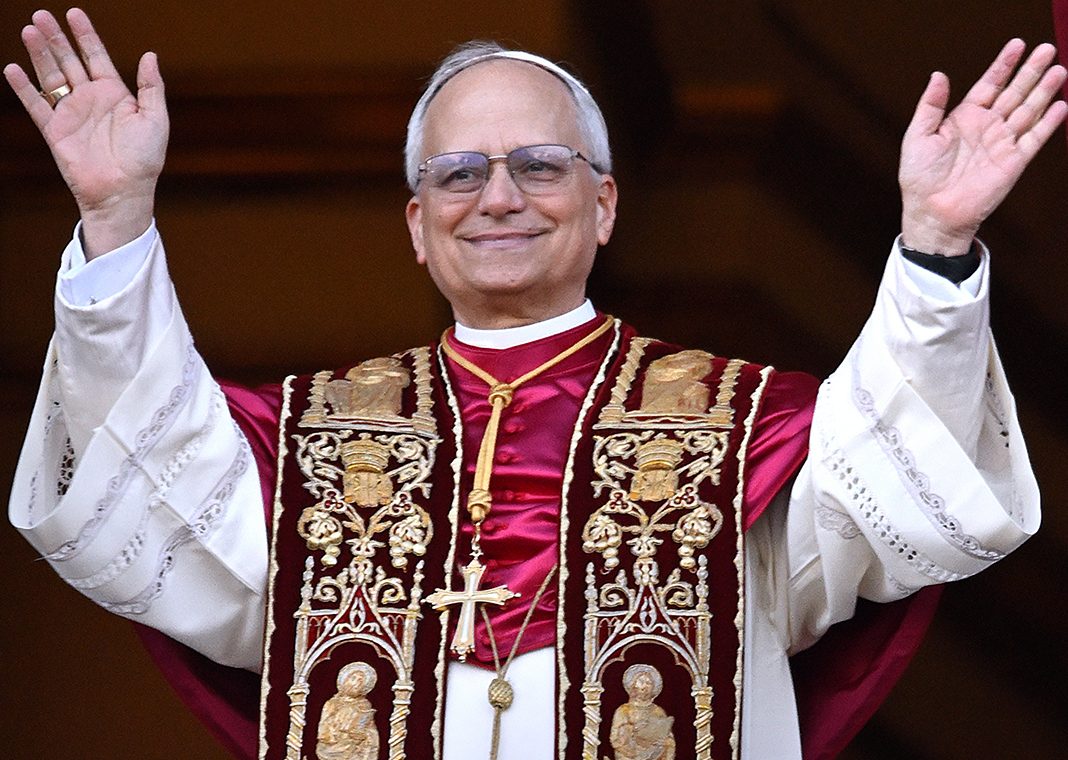
VATICAN CITY — Pope Leo XIV has voted in the United States midterm elections, the Vatican confirmed on Friday, in what is believed to be the first time in history that a sitting pope has cast a ballot in a political election.
The pontiff, born Robert Prevost in Chicago, submitted a mail-in ballot from Vatican City to Illinois, his home state, ahead of Tuesday's midterm elections. The confirmation, reported on 30 October, immediately made headlines around the world — not because of how he voted, which the Vatican did not disclose, but because of the simple fact that he voted at all.
For centuries, popes have stood apart from the ballot box. As heads of a sovereign state and spiritual leaders of more than a billion Catholics, they have traditionally avoided any act that could be read as partisan. Leo XIV, the first pope born in the United States, has now broken that unwritten rule — quietly, by post, and without fanfare.
Table of Contents
- What the Vatican confirmed
- Why this vote is historic
- The Chicago connection
- An election already breaking records
- What the vote does — and does not — signal
- Key takeaways
- Frequently Asked Questions
- Sources
- Related Chronicle coverage
What the Vatican confirmed
According to the Vatican, Pope Leo XIV cast his ballot by mail in Chicago, Illinois, where he was born. The announcement came on Friday 30 October, days before Americans head to the polls on Tuesday 3 November for midterm elections that will decide control of Congress and dozens of state governments.
The Vatican offered no detail on the contents of the ballot, and none is expected. The significance lies entirely in the act itself: a reigning pope participating, as a citizen, in the democratic process of his country of birth.
Reports of the vote were carried widely on Saturday, with Thanh Niên noting that this is the first time in history that a sitting pope has voted in a political election. A daily briefing summarising the week's news likewise described Leo XIV as "the first pope known to have voted in a United States election."
Why this vote is historic
No previous pope is known to have voted while in office. The reasons are both practical and principled. Popes are citizens of Vatican City as well as, in many cases, of their countries of birth, but the papacy's universal mission has long counselled distance from national politics. A pope seen to favour one party or candidate risks being read as speaking for the Church in a partisan contest — something the Holy See has been careful to avoid.
Leo XIV's predecessors navigated this tension by abstention. Pope Francis, an Argentine, never voted in Argentine elections during his pontificate. Pope Benedict XVI, a German, and Pope John Paul II, a Pole, likewise stayed out of their home countries' ballots while in office.
That makes Leo XIV's decision a genuine first — and a quiet one. There was no announcement ceremony, no photograph of a ballot, no statement of endorsement. The Vatican simply confirmed that the ballot had been cast, leaving the world to draw its own conclusions about what the precedent means.
The Chicago connection
The ballot went to Illinois, the state where Robert Prevost was born and raised. The Chicago-born pontiff, elected earlier this year, remains the first American-born pope in the Catholic Church's two-thousand-year history, and his identity has been a source of fascination — and occasional controversy — in the United States ever since.
His American roots have put him in an unusual position. Where previous popes commented on American politics from the outside, Leo XIV is, in the eyes of the law, an American voter. His vote does not change that dynamic in any formal sense, but it underlines a reality that has been true since his election: for the first time, the Bishop of Rome is also a citizen of the world's most powerful democracy, with a personal stake in its elections.
An election already breaking records
The pope's ballot arrives in the middle of an election that is already historic for its turnout. A record 47.9 million Americans had already voted early by midday on 30 October, according to the University of Florida's Election Lab, surpassing the previous midterm record of 45.9 million set in 2022. Registered Democrats were outpacing Republicans in the early vote, though the final result will depend on Election Day turnout.
The high stakes have drawn intense campaigning in the final days. President Donald Trump restored rallies in Kansas and Iowa to his schedule for 1 November, two days before polling day, after abruptly cancelling both events earlier in the week, according to reports citing Republican sources.
Against that backdrop, the pope's mail-in ballot is a footnote in numerical terms — one vote among tens of millions. Symbolically, however, it is in a category of its own.
What the vote does — and does not — signal
It would be a mistake to read the ballot as a political endorsement. Nothing in the Vatican's confirmation suggests whom the pope voted for, and the secrecy of the ballot is absolute. Nor does a single vote imply any shift in Church teaching or Vatican diplomacy.
What it does signal is something more personal: that Leo XIV sees no contradiction between his office and his citizenship. For a pope who has spoken often about the duties of ordinary believers in public life, casting a ballot himself is consistent with a message that faith and civic participation belong together.
It also sets a precedent that future popes — American or otherwise — will have to consider. Once a sitting pope has voted, abstention by a successor will itself become a choice that invites comment. The quiet envelope posted from Vatican City to Chicago may therefore echo well beyond this one election.
Key takeaways
- The Vatican confirmed on 30 October that Pope Leo XIV voted by mail in the US midterm elections.
- The ballot was sent to Illinois, his home state, where he was born in Chicago as Robert Prevost.
- He is believed to be the first sitting pope ever to vote in a political election.
- Previous popes, including Francis, Benedict XVI and John Paul II, abstained from voting in their home countries while in office.
- The Vatican disclosed nothing about how he voted, and the ballot implies no political endorsement.
- The vote comes amid record early voting, with 47.9 million ballots already cast ahead of Tuesday's elections.
Frequently Asked Questions
Has any pope voted in an election before?
No sitting pope is known to have voted before Pope Leo XIV. Earlier popes are understood to have abstained from voting in their home countries during their pontificates, in keeping with the papacy's tradition of standing apart from national party politics.
How did Pope Leo XIV cast his vote?
By mail. The Vatican confirmed that he submitted a mail-in ballot from Vatican City to Illinois, the US state where he was born and raised.
When are the US midterm elections?
Americans vote on Tuesday 3 November 2026. The elections will decide control of the House of Representatives and the Senate, along with state governorships and local offices across the country.
Does the pope's vote indicate support for a particular party or candidate?
No. The Vatican has said nothing about the contents of the ballot, and ballots are secret. The vote should be read as an act of civic participation, not as an endorsement.
Why is Pope Leo XIV's American background significant?
He is the first pope born in the United States, having been born Robert Prevost in Chicago. That makes him, uniquely among popes, both head of the Catholic Church and a voter in American elections.
Sources
- Thanh Niên / Stockbiz — Vatican confirmation that Pope Leo XIV voted by mail in Chicago, Illinois.
- Seven Lights Daily Brief, 31 October 2026 — summary of the week's news, including the pope's historic vote and record early voting figures.
- The Straits Times — record 47.9 million early votes recorded by the University of Florida's Election Lab.