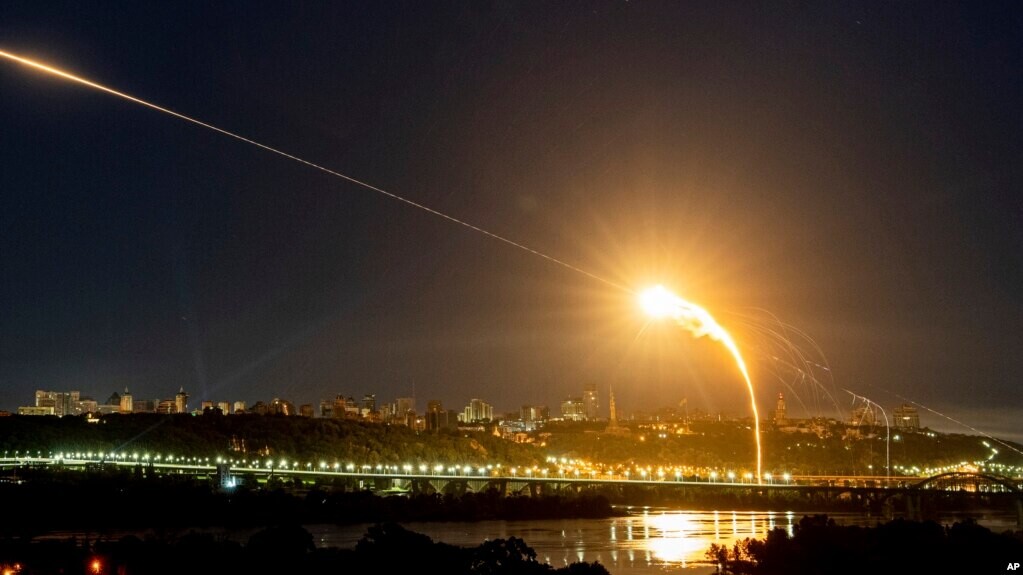
Russia launched one of the largest overnight attacks of the war on Ukraine, firing 130 drones and 48 cruise and ballistic missiles, Ukrainian officials said on Wednesday — a barrage that killed at least 24 people across several regions, including four children in the northern city of Pryluky, according to Al Jazeera.
Contents
- A barrage on an extraordinary scale
- Pryluky: four children among the dead
- Air defenses under strain
- The war's grinding autumn
- What happens next
- Frequently Asked Questions
- Sources
- Related reading
A barrage on an extraordinary scale
The overnight assault combined 130 drones with 48 cruise and ballistic missiles, making it one of the heaviest single-night barrages of the conflict. The mix of weapons — slow, cheap drones to saturate radar alongside high-speed ballistic missiles — reflects a deliberate strategy of overwhelming Ukraine's layered air-defense network, forcing it to expend precious interceptor missiles on low-cost targets.
Ukrainian air defenses intercepted 161 of the incoming targets, officials said — a high interception rate that nonetheless left enough weapons through to kill at least 24 people across multiple regions.
Pryluky: four children among the dead
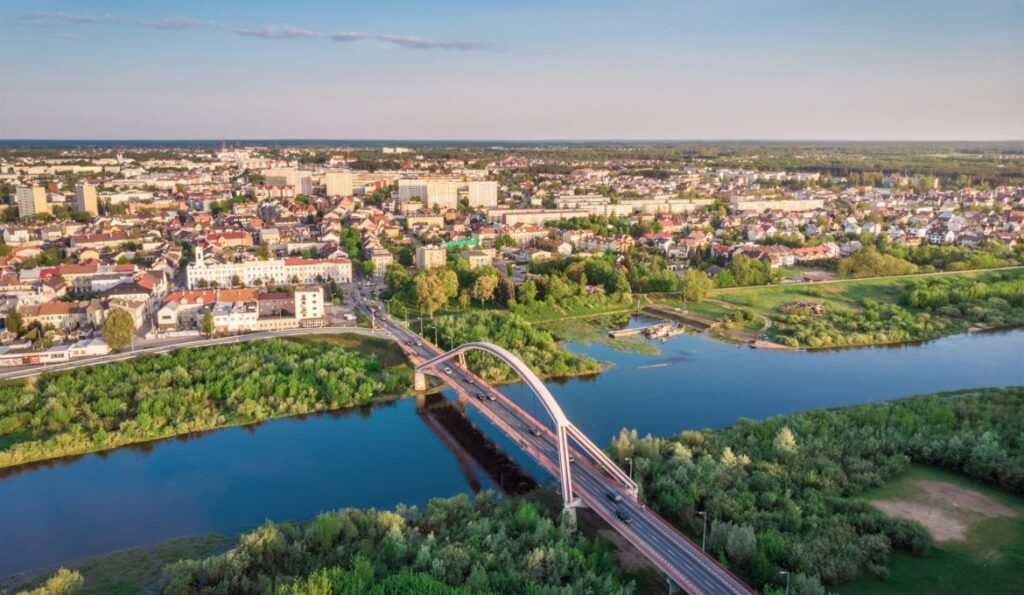
The northern city of Pryluky, in Chernihiv region, suffered the most concentrated human loss: four children were among those killed there. Strikes also hit targets across several other regions, underlining how little of the country remains beyond the reach of Russia's long-range strike campaign.
Attacks that kill children in their homes, rather than soldiers on the front line, have become a grim recurring feature of the war's aerial campaign — and each one hardens Ukrainian public opinion against any settlement that rewards territorial conquest.
Air defenses under strain
Intercepting 161 targets in a single night is a testament to Ukraine's air-defense crews, but also a warning: each interception burns through Western-supplied interceptor missiles that are expensive, finite, and increasingly contested by other global crises. The arithmetic of the war — cheap Russian drones against costly NATO-standard interceptors — favors the attacker over time.
That is precisely why Kyiv has pleaded for more Western air-defense aid and political backing, and why recent diplomatic efforts have focused on a three-part truce covering energy and shipping — an attempt to at least take the war's most civilian-devastating dimensions off the table.
The war's grinding autumn
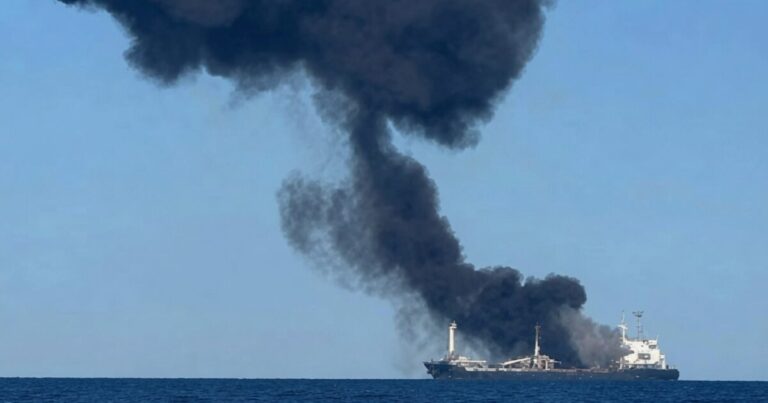
The attack comes amid a broader pattern of Russian escalation at sea and in the air. Moscow recently struck a merchant vessel in the Black Sea with a drone, signaling a willingness to extend the war's economic front. Combined with the overnight barrage, the message is clear: Russia intends to enter the winter with maximum pressure on Ukrainian cities, infrastructure, and morale.
What happens next
The immediate questions are practical: how many interceptor missiles Ukraine has left, how quickly partners can resupply them, and whether the latest civilian toll will shift the diplomatic calculus in Western capitals. The longer-term question is whether attacks of this scale are becoming the new normal — a war in which cities face, night after night, barrages that would once have been headline events.
Frequently Asked Questions
How many people were killed in the attack?
At least 24 people were killed across several Ukrainian regions, including four children in the northern city of Pryluky, according to Ukrainian officials cited by Al Jazeera.
What weapons did Russia use?
Russia fired 130 drones and 48 cruise and ballistic missiles in the overnight barrage — one of the largest single-night attacks of the war.
How many targets did Ukrainian air defenses intercept?
Ukrainian air defenses intercepted 161 incoming targets during the assault, officials said.
Why is Pryluky significant?
Pryluky is a city in Ukraine's northern Chernihiv region, far from the front lines — a reminder that Russia's long-range strikes can reach deep into the country, and that civilian areas remain vulnerable.