India has proposed a three-part truce to Russia and Ukraine that would halt attacks on energy infrastructure, protect commercial shipping in the Black Sea, and keep grain and energy flows open, according to NDTV. Kyiv has described India's plan as the broadest of four ceasefire proposals currently under discussion — a sign that New Delhi's quiet diplomacy is moving to the center of the war's endgame debate.
Table of Contents
- What the proposal contains
- Kyiv's response: the broadest plan on the table
- The four competing proposals
- Why India stepped in
- The energy war that makes it urgent
- What happens next
- Frequently Asked Questions
What the proposal contains
India's plan rests on three pillars. First, both sides would stop attacking each other's energy infrastructure — a direct response to a year in which power plants, refineries, fuel hubs and transmission networks have become primary targets. Second, merchant vessels would be protected from attack, with Black Sea ports kept open. Third, the free flow of grain and energy through those sea lanes would be preserved, insulating global food and fuel markets from the war.
According to a report cited by Inshorts, New Delhi is urging both capitals to suspend strikes on each other's energy assets and to avoid disrupting shipping — the same two channels through which the war now inflicts the most damage beyond the front lines.
Kyiv's response: the broadest plan on the table
Ukrainian Foreign Minister Andrii Sybiha said last week that India had submitted the "broadest" of the four ceasefire proposals Kyiv has received. "We have four proposals. The broadest one is India's proposal. We are ready for an energy and Black Sea ceasefire, but only in this combination," Sybiha told reporters in Kyiv, as reported by ABP Live.
Kyiv's condition is deliberate: an energy ceasefire without a maritime truce — or vice versa — would leave one flank of the country's economic infrastructure exposed. Ukrainian officials say any deal must cover attacks on energy and port infrastructure as well as the Black Sea itself. Sybiha added that Ukraine remains open to other formats, including an unconditional truce along the line of contact, but wants the energy-and-shipping dimensions treated as a single arrangement.
The four competing proposals
India's plan sits alongside three others, as NDTV detailed when Ukraine disclosed the set on October 3. The United States has proposed a halt to attacks on energy infrastructure. Türkiye and Egypt have proposed Black Sea ceasefires aimed at restoring grain exports. India's proposal is the only one that combines both dimensions — energy and sea — into a single framework.
That combination is what earned it the "broadest" label from Kyiv. For global markets, the mechanism would be narrow but material: a verified pause around Black Sea activity and energy assets would reduce one source of geopolitical risk tied to shipping, fuel flows and insurance pricing, as Atlas360 noted.
Why India stepped in
External Affairs Minister S. Jaishankar has been explicit about India's motives. Speaking at the Kautilya Economic Conclave in New Delhi, he said India was continuing to engage both Russia and Ukraine on the safety of civilian shipping, and that the effort gained urgency after attacks on civilian shipping in July killed and injured Indian sailors, according to The Tribune.
"We are talking to both sides, the Russians and the Ukrainians, to see if we can get some understanding on civilian shipping, on grain and energy," Jaishankar said. He described the talks as having widened step by step: "We started with the civilian shipping, and then the civilian shipping led to the grain, and the grain led to energy."
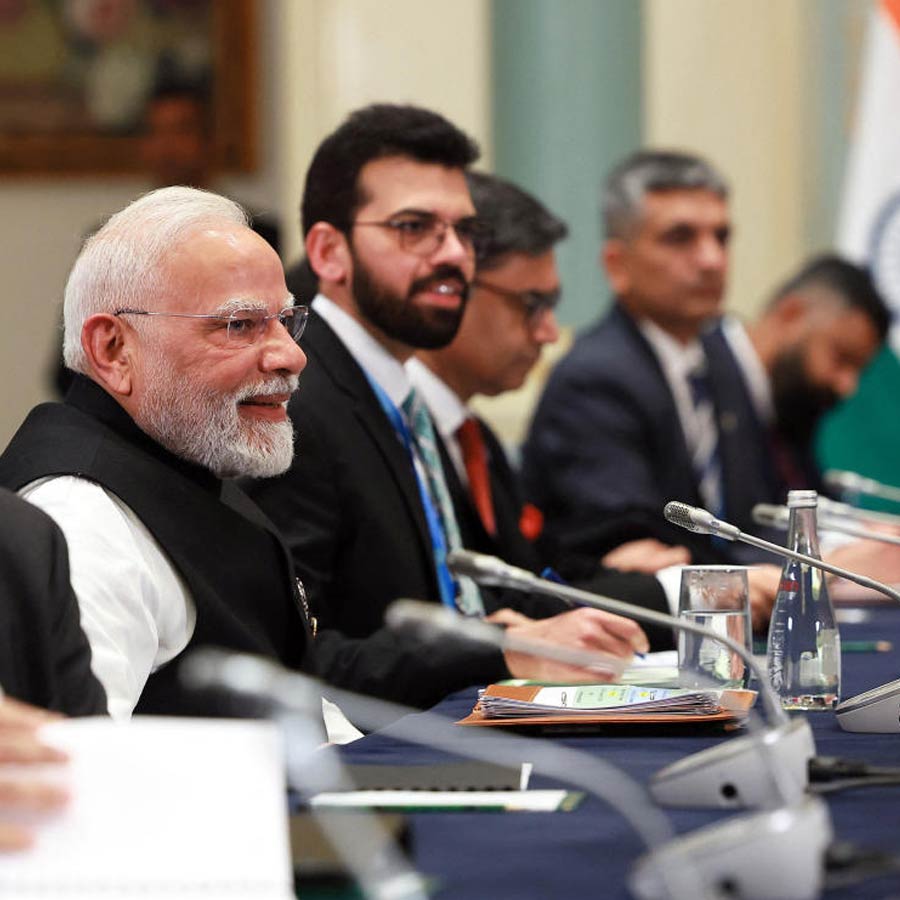
India is one of the few major powers that maintains working channels with both Moscow and Kyiv — and buys Russian oil despite US sanctions, a stance that has drawn pressure from Washington. That position gives New Delhi a credibility with Moscow that few Western capitals can claim. Russian President Vladimir Putin has publicly praised Prime Minister Narendra Modi's ideas for a peaceful and mutually acceptable settlement.
The energy war that makes it urgent
The proposal arrives at a moment when the war's economic front is burning hot. Ukrainian drones have struck deep into Russia, including a fuel hub in the Moscow region, while Russia has kept up near-nightly strikes on Kyiv and other Ukrainian cities. At sea, drone attacks have hit vessels in the Black Sea, and tanker incidents have rattled shipping lanes beyond the Black Sea.
Each of these attacks feeds the same cycle: damaged energy assets, higher insurance premiums, disrupted exports — costs that land hardest on importing nations in Asia, Africa and the Middle East. That is the audience India's proposal is pitched to, and it explains why New Delhi frames the truce in economic terms rather than as a path to a full peace settlement.
What happens next
There is no signed agreement, and officials describe the proposals as separate diplomatic tracks rather than a negotiated text endorsed by both sides. The constraint is verification: any truce would need binding terms on scope, monitoring and violations before it could alter battlefield or infrastructure risk. The next days will test whether Kyiv, Moscow or the mediators publish overlapping terms on energy sites, ports and the Black Sea — or whether the proposals remain where they are now: on the table.
Frequently Asked Questions
What exactly is India's three-part truce proposal?
It calls for (1) a halt to attacks on energy infrastructure by both Russia and Ukraine, (2) protection of commercial shipping and open Black Sea ports, and (3) unimpeded flows of grain and energy through those sea lanes.
Why does Ukraine call India's proposal the "broadest"?
Because it is the only one of four proposals — the others come from the United States, Türkiye and Egypt — that combines an energy ceasefire with a Black Sea truce in a single framework. The US proposal covers energy only; the Türkiye and Egypt proposals cover the Black Sea only.
Has Russia agreed to the proposal?
No. Officials describe the proposals as separate diplomatic tracks, not a negotiated text. Russian President Vladimir Putin has publicly praised Prime Minister Narendra Modi's ideas for a settlement, but Moscow has not signaled acceptance of enforceable terms.
Why is India mediating this?
India maintains working relations with both Moscow and Kyiv, and the war's maritime dimension affects Indian interests directly: attacks on civilian shipping in July killed and injured Indian sailors, and India is a major buyer of Russian oil as well as an importer of Ukrainian grain-era commodities.
How would a truce affect global markets?
A verified pause around Black Sea activity and energy assets would reduce geopolitical risk tied to shipping, fuel flows and insurance pricing. Until the proposals converge into an agreement with enforceable terms, the direct market effect is likely to stay limited.