Ukraine has carried out what it calls the world's first aerial evacuation of a wounded soldier by drone, lifting an injured infantryman out of a front-line position on the Kupiansk front where land mines and relentless Russian drone surveillance had made every conventional rescue impossible. The operation — improvised by drone specialists, a Ukrainian manufacturer, and the wounded man himself — marks a turning point in how armies think about saving lives on battlefields now ruled from the sky.
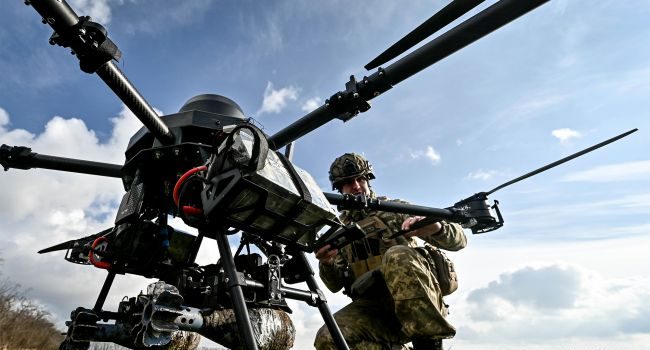
The drone unit of Ukraine's 92nd Separate Assault Brigade announced the mission on Monday, October 19, releasing video of the extraction. In the footage, a heavy six-rotor drone descends to the ground, a soldier in combat gear straps himself to a winch on board, and the aircraft lifts him upward and away at low altitude. The brigade described the operation as a "world first," as reported by NDTV.
"The operation was successful — the wounded person was saved! He is now undergoing treatment and rehabilitation, and his life is no longer in danger," the unit said.
Table of Contents
- The soldier who could not be reached
- Turning a bomber into an ambulance
- How the flight worked
- Why the ground was a death trap
- Key takeaways
- Frequently Asked Questions
- Sources
- From Chronicle
The soldier who could not be reached
The rescued man was a 49-year-old infantryman identified only as Kostiantyn, serving with the 30th Separate Mechanized Brigade on the Kupiansk front in the Kharkiv region. He had been holding an observation post alone after his comrade was killed in a Russian strike — and then he was wounded himself.
His position had been dangerous for a long time. According to the drone's manufacturer, Gurzuf Defence, the soldier had spent almost a year and a half in that combat position and could not be reached by any conventional means. "Any attempt to reach him would have meant a deadly risk for the rescue team," the company said, as reported by Gulf Today.
While he waited, his unit kept him alive the only way it could: drone drops of food, water, antibiotics, and painkillers. Several rescue attempts were made, including with the uncrewed ground vehicles Ukrainian units now routinely use to pull wounded troops from hot zones. Every one of them failed.
Turning a bomber into an ambulance
The breakthrough came when drone specialists from the 92nd Brigade decided to attempt something that had never been done: evacuating a serviceman with an aerial drone.
They modified a Ukrainian-made heavy-lift hexacopter — the Ayudag-6, built by Gurzuf Defence and originally designed as a bomber — to carry a human being. Working directly with the manufacturer, engineers solved the technical challenge of keeping the aircraft stable in flight under human weight, after preliminary test flights at Gurzuf's own facilities. The company supplied the drone free of charge for the operation, according to The War Zone via the Times of India.
The effort was collaborative from the start: personnel from the 92nd, 30th, and 14th brigades, the 10th Army Corps, and Gurzuf Defence all took part. A squad commander and programmer with the 92nd Brigade's unmanned systems company called it "a historic event, at least for our unit," as reported by The News.
How the flight worked
The extraction was as much a communications exercise as a flying one. Troops sent Kostiantyn a video tutorial showing him exactly how to strap himself to the drone's winch. A UAV operator from the 30th Mechanized Brigade — the wounded man's own formation — piloted the hexacopter and stayed in contact with him throughout the flight, monitoring the extraction by video call and providing cover against Russian attacks during the operation, according to JFeed.
In the brigade's released video, the drone flies low and sets the soldier gently down at the destination, where an operator greets him with "Welcome back to the ground!" The Ayudag-6 carried him to a safer position, where comrades were waiting to arrange his onward evacuation to a hospital.
According to the Kharkiv military hospital that treated him, both of his legs were amputated, but he is now recovering and his life is no longer in danger. "This mission proves once again that Ukrainian service members, working in tandem with Ukrainian manufacturers, are setting global trends in the conduct of warfare," the brigade said.
Why the ground was a death trap
The mission's drama points to a larger transformation in how wars are fought — and how soldiers are saved. After four and a half years of war, drones have turned much of the Ukrainian battlefield into what military analysts describe as a kill zone, where neither side has a clear advantage and movement on the ground can be fatal in seconds.
The area around Kostiantyn's position was heavily mined, and Russian drones kept it under constant watch, as reported by 1News. A ground rescue vehicle would have been detected and destroyed long before it reached him — a fate that has already befallen conventional armored medevac vehicles across the front.
Ukraine has leaned heavily on unmanned ground vehicles to evacuate the wounded from places too dangerous for medics, and that approach remains standard. But aerial evacuation was considered beyond reach — until now. The rescue happened shortly after Ukraine began front-line testing of StarGate, a purpose-built medical evacuation drone developed by SkyFall for the 475th Separate Assault Regiment: it can carry up to 150 kg on a medical stretcher, has a one-way range of 15 km, is expected to cost at least $50,000 per system, and has a production target of up to 1,000 units per month by the end of 2026, according to The News. If that program delivers, yesterday's improvisation could become tomorrow's standard equipment.
The war, meanwhile, grinds on around the innovation. The announcement came as both sides continued striking deep behind the lines and diplomats searched for openings — including the latest round of Ukraine peace discussions in Oslo (related coverage).
Key takeaways
- A world first: Ukraine's 92nd Separate Assault Brigade evacuated a wounded infantryman by aerial drone from the Kupiansk front — the first such operation anywhere, by Kyiv's account.
- An improvised ambulance: A Gurzuf Defence Ayudag-6 heavy hexacopter, designed as a bomber, was modified to carry a person, supplied free of charge by the manufacturer.
- Kept alive by drones: The wounded soldier, Kostiantyn, had held his position for nearly 18 months; his unit sustained him with drone drops of food, water, and medicine until extraction was possible.
- A bigger trend: The mission underlines how drone saturation has made ground evacuation lethal in parts of the front — and purpose-built medevac drones like SkyFall's StarGate are already entering front-line testing.
Frequently Asked Questions
Who was evacuated in the drone operation?
A 49-year-old infantryman known only as Kostiantyn, serving with Ukraine's 30th Separate Mechanized Brigade. He was wounded while holding an observation post alone on the Kupiansk front in the Kharkiv region after his comrade was killed.
Why couldn't the soldier be rescued by ground means?
The area was heavily mined and under constant surveillance by Russian drones, which made it impossible for unmanned ground vehicles or rescue teams to reach his position without deadly risk.
What kind of drone was used?
A modified Ayudag-6 heavy-lift hexacopter built by Ukrainian manufacturer Gurzuf Defence. Originally designed as a bomber, it was adapted with technical solutions to keep it stable while carrying human weight, and supplied free of charge for the mission.
Is the soldier alive?
Yes. He is undergoing treatment and rehabilitation, and his life is no longer in danger, according to the 92nd Brigade and the Kharkiv military hospital — though both of his legs were amputated.
Has this ever been done before?
Ukraine describes it as the world's first aerial drone evacuation of a wounded soldier. Ukraine has long used unmanned ground vehicles for casualty evacuation, but this was the first reported instance of an aerial drone being used for the purpose.