A speech by US Secretary of State Marco Rubio invoking the ancient Greco-Persian wars has been met with scorn across Iran's political spectrum, as Tehran accuses Washington of dressing up its war on Iran in the borrowed robes of classical history.
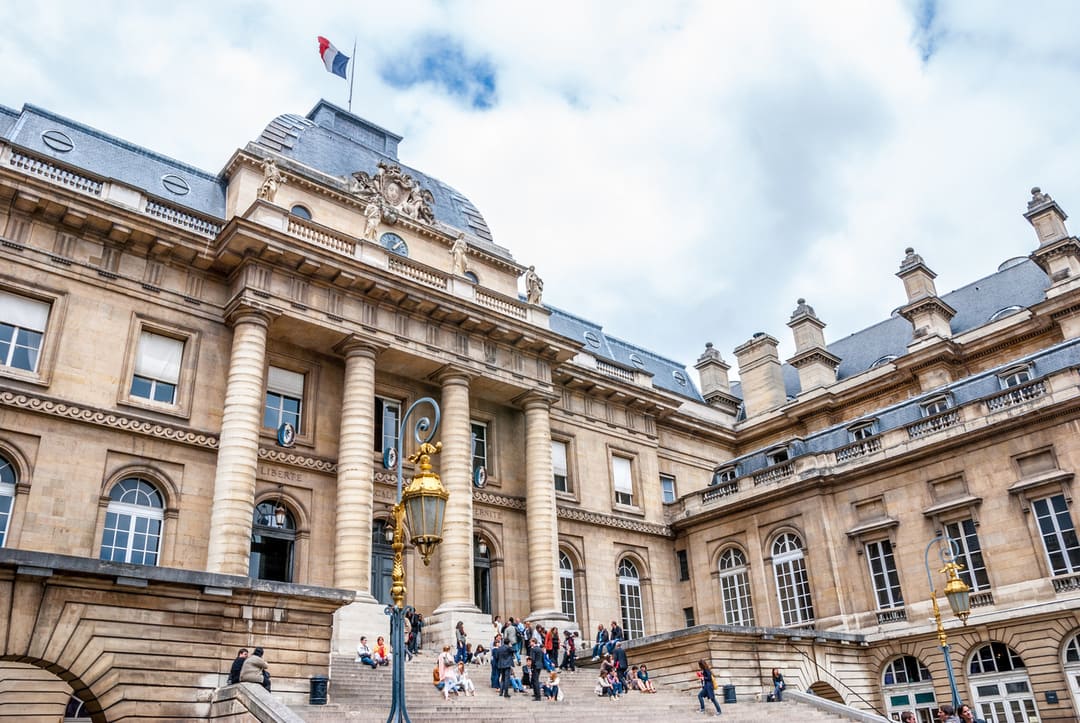
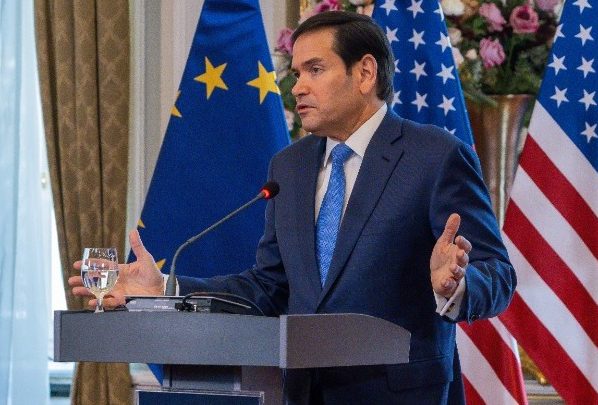
Speaking on October 7 at a ceremony marking the opening of a new wing of the US embassy in Athens — against the backdrop of the Acropolis — Rubio presented the United States, founded in the 18th century, as the inheritor of a Western civilisation stretching from ancient Greece to Rome. He argued that today's Western countries have lost confidence, allowed their industries and militaries to weaken, and need renewed ambition and power.
To make the case, he reached back 2,500 years. Referencing the Greco-Persian Wars, he used the Persian destruction of Athens in 480 BC under King Xerxes I as an example of Western civilisation surviving an external enemy — the Persians, he said, plundered the temples, burned the shrines and razed the Acropolis, before the Athenians returned and built the Parthenon under Pericles.
The top US diplomat then turned his rhetoric directly against Iran's current leaders, describing the clerical establishment in power since the 1979 revolution as fanatics running a "death cult" that wields martyrdom as a political tool. The threats of today, he claimed, are "every bit as real" as those on the "dramatic stage of antiquity," and he praised what he called the Trump administration's "unapologetic pursuit of national power."
A war fought in history books
Rubio's speech landed against the backdrop of a very real conflict. The United States and Israel launched strikes on Iran on February 28, and although open fighting has subsided, Washington maintains a naval blockade on Iran while shipping through the vital Strait of Hormuz remains disrupted — a pressure point Rubio himself recently highlighted by declaring that Iran has lost control of the strait.
Iranian officials responded to the Athens speech by reaching even further back into history. Security chief Mohsen Rezaei and parliament Speaker Mohammad Bagher Ghalibaf — who is also Iran's chief negotiator — both invoked the Roman Emperor Valerian, captured alive by Persian King Shapur I's forces in battle in 260 AD. "Anyone who brings history into this must be prepared for its repetition," Rezaei warned.
The Iranian foreign ministry accused Rubio of flattening Greek, Roman, Christian and modern history into a single narrative, and of using an "America First" story to legitimise military escalation against Iran after the relative lull in fighting since a now-defunct memorandum of understanding was agreed in June. Foreign Ministry spokesman Esmaeil Baghaei said Rubio was resorting to "anachronism" — rehashing long-buried historical events for modern-day legitimacy. He added that Washington seemed to have concluded it was better to justify its coercion "under the beautiful neon lights of 'philosophy of history'" than through what he called naked bullying.
What the historians say
Iranian historian Touraj Daryaei told local media that while Rubio's account of the sack of Athens was accurate, it omitted a crucial fact recorded by the Greek historian Herodotus and others: a major motivation for the Persian attack was retaliation. In 498 BC, Athenian forces had burned Sardis, a provincial Persian capital in western Anatolia. For Iranians who consider themselves the victims of an unprovoked American-Israeli attack, that detail, Daryaei suggested, has modern-day resonance.
Culture Minister Reza Salehi-Amiri urged Western politicians to speak of Iran with a "language of respect," calling the country not an enemy invented in a political speech but "a living civilisation, a great nation and a lasting reality in world history" dating back millennia.
Iranian state media wasted no time weaponising the speech. The hardline Vatan-e Emrouz newspaper published a front-page image of Rubio dressed in ancient Roman military attire, holding a shield and sword, under the headline "Ancient war" — claiming he was trying to create "historical-ideological backing" for the US war against Iran.
Ordinary Iranians react
Most Iranians reacted negatively to the speech, according to reports from Tehran. Shima, a 26-year-old Tehran resident, said she did not appreciate Rubio using conflicts from 2,500 years ago to muster support for the ongoing war. "They want to continue the war, and they will say whatever they think will work in the moment," she said.
Some in the diaspora, or those opposed to the Islamic Republic, offered a different reading: that Rubio was targeting Iran's authorities, not its ancient civilisation. That distinction matters, given Rubio's own earlier words. At his January 2025 Senate confirmation hearing, he had called Iranians "the people of an ancient civilisation and culture with tremendous pride," insisting the clerics were in no way representative of the people and their contributions to humanity.
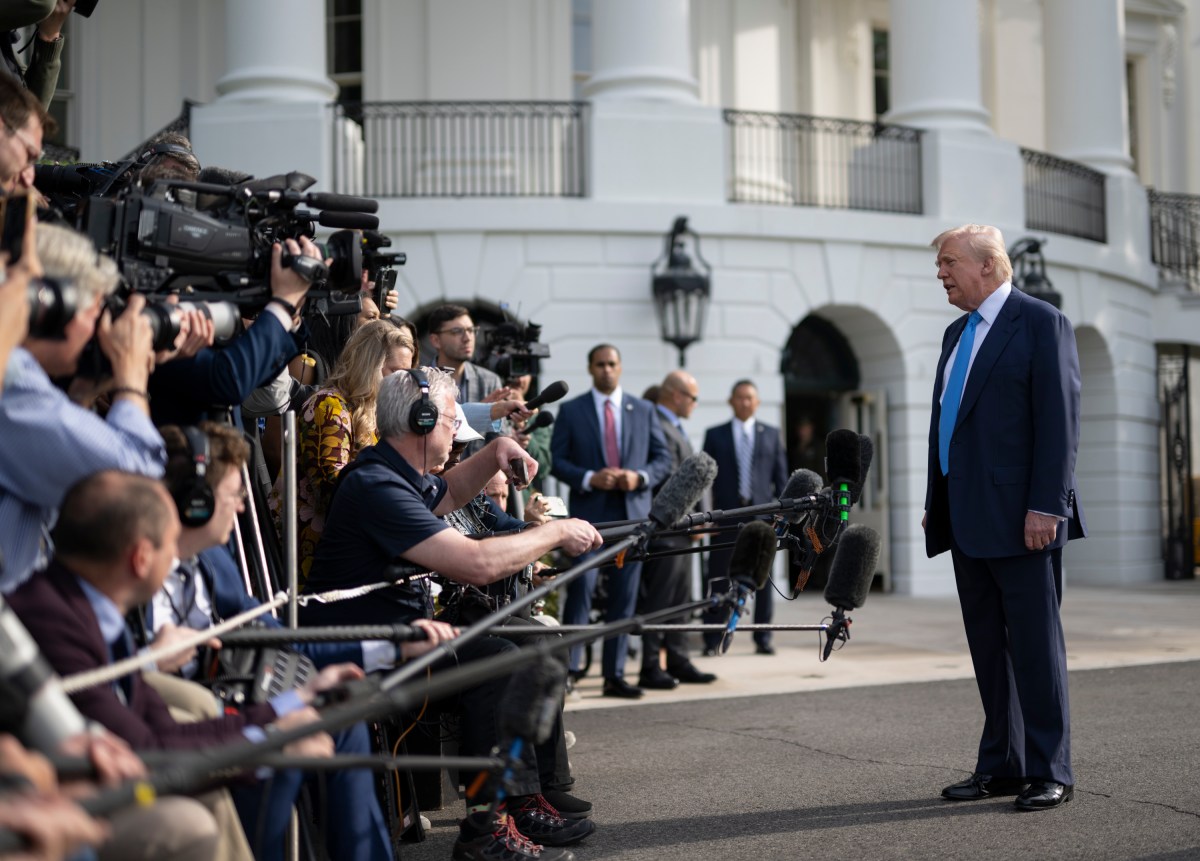
But since February, the US campaign — bombing, a naval blockade of southern ports, and isolating sanctions — has been criticised for damaging Iran's historical and cultural sites, and analysts note the worst impact has fallen on ordinary Iranians rather than the leadership, without changing the government's behaviour. President Donald Trump's comments about the potential "death of a civilisation" in Iran in the event of military escalation have deepened pessimism about the war's goals, which were initially framed as freeing Iranians from their government.
An analyst's reading: Iran as the binding enemy
Vali Nasr, professor of international affairs and Middle East studies at Johns Hopkins University, told Al Jazeera he believed Rubio's aim was to define a common enemy around which the United States and Europe could rebuild their relations — and to cast Iran, rather than Islam, in the role of the civilisational enemy binding the West together. The speech also reflected American frustration that Europe has not played a major role in the Iran war, and sought to paper over deep US-European divisions over Russia and Ukraine.
Notably, Rubio delivered his speech as Trump announced a deal with Russian President Vladimir Putin to sell diesel to the US and global markets — a move aimed at lowering diesel prices that have hit record levels partly because of the Iran war. Nasr said the combination could be read as an administration message that Iran, not Russia, is the enemy the West should focus on — and that it made clear Washington sees no distinction between Iranians and the Islamic Republic as a civilisation.
Frequently Asked Questions
What did Marco Rubio say in his Athens speech?
On October 7, speaking at the new wing of the US embassy in Athens, Rubio framed the US as the inheritor of Western civilisation from Greece to Rome, said the modern West has lost confidence, invoked the Persian destruction of Athens in 480 BC as a symbol of civilisation surviving an external enemy, and accused Iran's leaders of being fanatics running a "death cult."
How did Iran respond?
Security chief Mohsen Rezaei and parliament Speaker Mohammad Bagher Ghalibaf invoked the Persian capture of the Roman Emperor Valerian in 260 AD, with Rezaei warning that "anyone who brings history into this must be prepared for its repetition." The foreign ministry accused Rubio of "anachronism," and state media portrayed him in Roman military dress under the headline "Ancient war."
What is the background of US-Iran tensions now?
The US and Israel launched strikes on Iran on February 28. Open fighting has subsided, but the US continues a naval blockade on Iran while shipping through the Strait of Hormuz remains disrupted. The war has also driven diesel and energy prices to record levels worldwide.
Why do analysts say Rubio chose this historical framing?
Professor Vali Nasr of Johns Hopkins argues Rubio was trying to define a common enemy — Iran rather than Islam — to bind the US and Europe together, reflecting frustration that Europe has not played a major role in the Iran war while divisions over Russia and Ukraine persist.
Key takeaways
- Marco Rubio's October 7 Athens speech framed the US as heir to Western civilisation and Iran as its civilisational enemy, invoking the Greco-Persian wars of 480 BC.
- Iranian officials countered with their own history — the Persian capture of Emperor Valerian in 260 AD — and accused Rubio of "anachronism" and flattening centuries of history.
- Historians note Rubio omitted that Persia's attack on Athens was partly retaliation for Athens burning the Persian city of Sardis in 498 BC.
- Analysts read the speech as an attempt to rally Europe around a shared enemy, coinciding with Trump's diesel deal with Putin — a signal that Washington views Iran, not Russia, as the West's priority adversary.
Sources
- Al Jazeera — ‘Anachronism’: Rubio’s civilisational rhetoric prompts pushback from Iran
- Al Jazeera — Are the US and Israel waging war on Iran's cultural heritage?