A court in Russia's Baltic exclave of Kaliningrad has sentenced a 66-year-old human rights lawyer to 12 years in prison for treason, in a case that rights groups say exposes how the country's wartime security laws are now being turned against the lawyers who defend people accused under them. Maria Bontsler, who had spent years representing defendants in politically charged cases in the region, was convicted on Thursday after prosecutors accused her of passing sensitive information to Ukraine, according to Al Jazeera.
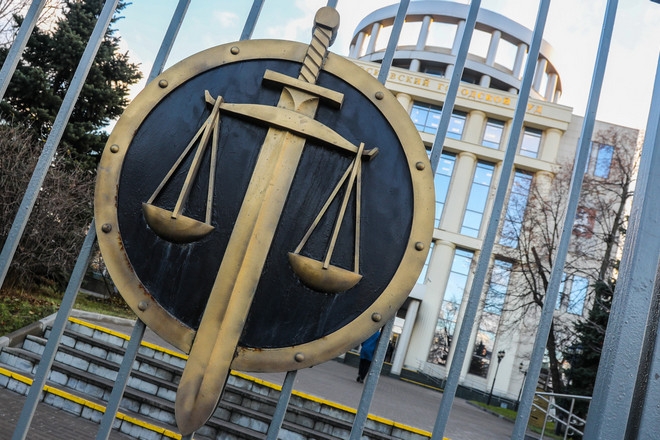
The sentence was handed down by a court in Kaliningrad, the Russian territory on the Baltic Sea wedged between Lithuania and Poland. Prosecutors had sought 15 years; the court imposed 12, along with an additional year of restrictions on her activities after release. The case was reported by the rights group Slovo Zashchite, which said Bontsler had worked with a number of defendants accused of political offences in the exclave.
Table of Contents
- What prosecutors alleged
- A trial held behind closed doors
- The defence: nothing she shared was secret
- A pattern: lawyers themselves in the dock
- Kaliningrad, a frontline exclave
- What happens next
- Key takeaways
- Frequently Asked Questions
- Sources
- Chronicle related reading
What prosecutors alleged
According to a court statement posted on Telegram, Bontsler was detained by the FSB, Russia's main security service, on allegations that she had been passing information to Ukraine since 2024. The statement, which did not name her, said the information concerned security officers working in Kaliningrad.
Prosecutors also alleged that she supplied Kyiv with information about criminal cases in the exclave that were of interest to the Ukrainian authorities. The precise nature of the material has not been made public, and the closed nature of the proceedings means the evidence against her has not been independently examined.
A trial held behind closed doors
Slovo Zashchite said the trial was conducted behind closed doors, with Bontsler and her own lawyers prevented from attending most of the proceedings. She was allowed only to deliver a closing statement, the group said.
Closed treason trials are not unusual in Russia — the charge routinely involves material the state classifies as secret — but the exclusion of the defendant and her counsel from their own trial is a striking feature of this case, and one that rights advocates say makes a fair assessment of the verdict almost impossible. The court statement gave no account of how the defence case was heard.
The defence: nothing she shared was secret
Bontsler's lawyers argued that none of the information cited by prosecutors was secret, according to Slovo Zashchite — a claim that goes to the heart of the treason charge, which requires the transfer of state secrets to a foreign power. The group also said she had been in ill health while in detention.
The argument echoes those made in other recent Russian treason cases, where defendants and their supporters have contended that the material involved was publicly available or of no genuine security value. Russian courts have rarely accepted that line of defence.
A pattern: lawyers themselves in the dock
Bontsler's case fits a broader pattern that has developed since Russia's full-scale invasion of Ukraine in February 2022. In the months after the invasion, parliament approved laws making it illegal to take public actions aimed at "discrediting" the army and banning the spread of so-called "fake news" about the armed forces — measures that have been used to prosecute journalists, activists and ordinary citizens.
Lawyers who take on politically sensitive cases have themselves increasingly become targets. In January 2025, a court sentenced three lawyers who had represented the late opposition leader Alexey Navalny to between three and a half and five and a half years in prison on "extremism" charges, in a case widely seen as an effort to discourage defence lawyers from taking political cases at all.
Bontsler's 12-year sentence is considerably longer, and it sends a sharper message still: in Kaliningrad, a region where the security services are especially active, even the act of defending the accused can itself be treated as a crime against the state.
Kaliningrad, a frontline exclave
The geography matters. Kaliningrad, home to Russia's Baltic Fleet, sits between two NATO members, Lithuania and Poland, and has become one of the most heavily militarised corners of Europe since the invasion of Ukraine. The exclave's security services have pursued a series of espionage and treason cases, and its courts have handled a steady stream of politically charged prosecutions.
For a lawyer working there, the line between defending a client accused of passing information and being accused of the same offence has always been thin. Bontsler's conviction suggests that, in the eyes of the Kaliningrad court, it has now disappeared altogether.
What happens next
Bontsler's lawyers are expected to appeal, though treason verdicts in Russia are almost never overturned. The case is likely to draw condemnation from international human rights organisations, which have repeatedly warned that Russia's treason legislation is being applied so broadly that it criminalises contact with foreigners, access to open-source information, and now, it appears, the practice of law itself.
The sentence also lands at a moment of intense diplomacy over the war in Ukraine. American envoys have been meeting President Vladimir Putin in Moscow, and trilateral talks are under way in Abu Dhabi — negotiations in which the treatment of political prisoners and the rule of law inside Russia are rarely on the formal agenda, but which shape how Western governments judge the Kremlin. Chronicle covered the Moscow talks in its report on the US envoys' meeting with Putin and the Abu Dhabi negotiations in its report on the resumed trilateral talks.
For Bontsler, 66 and in ill health, a 12-year sentence is effectively a life term. Her case will now stand as one of the starkest examples of how far Russia's wartime legal crackdown has reached — from the battlefield and the newsroom, into the courtroom itself.
Key takeaways
- A court in Kaliningrad sentenced 66-year-old rights lawyer Maria Bontsler to 12 years in prison for treason on Thursday, November 12.
- Prosecutors accused her of passing information about security officers in Kaliningrad to Ukraine since 2024; they had sought 15 years.
- The trial was held behind closed doors, with Bontsler and her lawyers largely prevented from attending; she was allowed only a closing statement.
- Her lawyers argued none of the information was secret, and said she had been in ill health in detention.
- The case follows the January 2025 jailing of three of Alexey Navalny's lawyers on extremism charges, in what critics see as a campaign to deter lawyers from taking political cases.
Frequently Asked Questions
Who is Maria Bontsler?
Maria Bontsler is a 66-year-old human rights lawyer based in Kaliningrad, Russia's Baltic exclave. According to the rights group Slovo Zashchite, she had worked with a number of defendants accused of political offences in the region before she was herself detained by the FSB and charged with treason.
What was she accused of?
Prosecutors accused Bontsler of passing information to Ukraine beginning in 2024, including details about security officers in Kaliningrad and information on criminal cases in the exclave that were of interest to Kyiv. A court statement posted on Telegram did not name her but set out the allegations.
Why was the trial held behind closed doors?
Treason cases in Russia are routinely tried in closed session because the charges involve material the state classifies as secret. In Bontsler's case, the rights group Slovo Zashchite said she and her lawyers were prevented from attending most of the proceedings and that she was allowed only to make a closing statement.
What did her lawyers argue in her defence?
Her lawyers argued that none of the information cited by prosecutors was secret, which would undermine the treason charge, and said she had been in ill health while in detention. The court nevertheless imposed a 12-year sentence plus a further year of restrictions on her activities.
Is this part of a wider pattern in Russia?
Yes. Since the full-scale invasion of Ukraine in February 2022, Russia has jailed journalists, activists and lawyers under wartime laws on "discrediting" the army and spreading "fake news". In January 2025, three lawyers for the late opposition leader Alexey Navalny were sentenced to between three and a half and five and a half years on extremism charges.