At least 39 people have been killed after two high-speed trains collided in central Spain on Wednesday morning, in the country's second deadly rail disaster in less than a year. The crash happened just after 9 a.m. local time between the towns of Los Yébenes and Urda in the province of Toledo, when a train travelling from Madrid to Seville ran into the rear of another train that had stopped on the same track, derailing two carriages and sending them tumbling down an embankment.
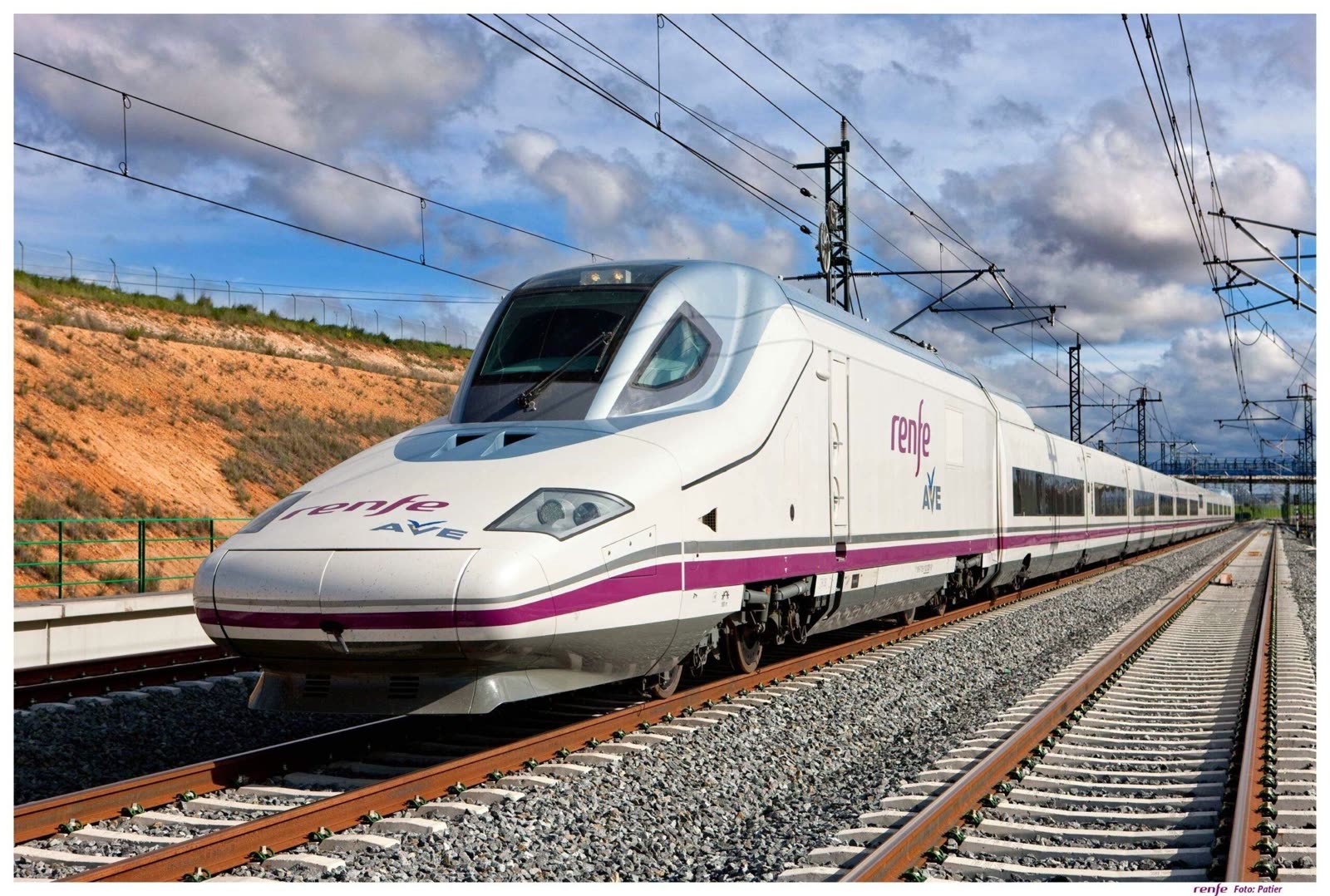
The collision involved a train operated by Spain's state-owned rail company Renfe and a service run by the private operator Iryo, both heading in the same direction toward Seville. Spain's rail infrastructure operator, ADIF, described the incident as a rear-end collision and immediately suspended traffic on the Madrid–Andalusia high-speed line, one of the busiest arteries in the Spanish network. The Renfe train was carrying 397 passengers and the Iryo train 147, according to regional officials cited in early reporting.
Table of Contents
- A rear-end collision on the Madrid–Seville line
- Rescue operation and the rising toll
- A network under scrutiny after January's disaster
- What investigators will examine
- Frequently Asked Questions
A rear-end collision on the Madrid–Seville line
According to Spain's state broadcaster TVE, the Iryo train struck the tail of the stopped Renfe service, knocking two of its carriages off the track. Footage broadcast by regional television showed a derailed train with at least one carriage still resting on an elevated section of track, while twisted metal, broken panels and wreckage lay strewn across the embankment below.
Esther Padilla, spokeswoman for the Castilla-La Mancha regional government, initially confirmed 10 deaths but warned that "that number will surely rise." Later reports citing local authorities put the toll at at least 39, with numerous other passengers injured. The figures were still being updated as rescue teams worked through the wreckage, and officials cautioned that the final count could change.
The mayor of Urda, Manuel Galán, told TVE that passengers had been injured and that civil protection authorities had asked his town hall to prepare a sports pavilion to receive and treat those affected. Jesús Pérez, the mayor of nearby Los Yébenes, described the accident as apparently serious. Emiliano García-Page, president of Castilla-La Mancha, said on X that he was heading to the crash site.
Rescue operation and the rising toll
Emergency teams rushed to the rural stretch of track between the two small towns, with mobile intensive care units dispatched from the Andalusian health service to support the rescue effort. Regional television cited witnesses describing a heavy impact, with passengers trapped inside the derailed carriages as the first rescue teams arrived.
Prime Minister Pedro Sánchez said he was "shocked by the serious train accident in Toledo" and offered his "affection, solidarity and support to all the victims." In a post on X, he added that he remained in constant contact with the transport minister and with the president of Castilla-La Mancha, and that emergency services were working on the ground "to assist those affected and ensure their safety, in coordination with all the involved administrations."
The Castilla-La Mancha government activated its regional emergency plan, and the suspension of services between Madrid, Ciudad Real and Andalusia left thousands of passengers facing cancellations and delays on one of Spain's most travelled routes.
A network under scrutiny after January's disaster
The Toledo crash is the second major rail disaster to strike Spain this year. In January, 45 people died in southern Spain when a train jumped the track and hit an oncoming train. That crash was the deadliest in Spain since the 2013 Santiago de Compostela derailment, which killed 80 people, and it shook public confidence in a high-speed network long regarded as one of the safest and most extensive in Europe.
Spain operates one of the world's largest high-speed rail systems, with thousands of kilometres of track linking Madrid to Seville, Barcelona, Valencia, Málaga and beyond. The network's safety record had been a source of national pride, which makes two fatal accidents in ten months — both involving the same pair of operators, Renfe and Iryo — a particularly sensitive blow. Questions are already being asked about signalling, scheduling and the safety systems designed to prevent exactly this kind of rear-end collision on a high-speed line.
The political context adds to the pressure on the government. Spain is in the middle of a heated electoral season, with Prime Minister Sánchez campaigning ahead of a snap election, and the disaster is certain to feature in the national debate over infrastructure investment and public safety. Readers following Spanish politics can find background in our coverage of the snap election campaign and the recent housing protests that have shaped the political mood.
What investigators will examine
The cause of the crash was not known in the hours after the collision, and officials stressed that it was too early to speculate. Investigators will focus on the central question: how did a high-speed train come to strike a stationary train ahead of it on the same track? That inquiry will examine the signalling and train-protection systems on the Madrid–Andalusia line, the speed of the Iryo service at the moment of impact, communications between drivers and control centres, and whether any warning or braking system failed or was overridden.
Rail safety experts note that modern high-speed lines are designed with multiple layers of protection — automatic train protection, in-cab signalling and block sections that should keep trains apart. A rear-end collision therefore points investigators toward a failure in one or more of those layers, or toward human and operational factors that allowed two trains to occupy the same section. The findings will matter far beyond Toledo: they will determine whether Spain's rail system needs technical fixes, operational changes, or both.
For now, the priority remains the victims and their families. As the rescue operation continues and the death toll is confirmed, Spain faces another moment of national mourning — and another searching examination of a transport system millions of people rely on every day.
Frequently Asked Questions
What happened in the Spain train crash?
Two high-speed trains travelling from Madrid to Seville collided on Wednesday morning, 28 October 2026, between the towns of Los Yébenes and Urda in Toledo province. According to state broadcaster TVE, an Iryo train ran into the rear of a stopped Renfe train, derailing two carriages.
How many people were killed?
Later reports citing local authorities put the death toll at at least 39, with many more injured. Regional officials initially confirmed 10 deaths but warned the toll would rise, and the figures were still being updated as rescue work continued.
Which companies operated the trains?
The two trains were operated by Renfe, Spain's state-owned rail company, and Iryo, a private operator. The Renfe train carried 397 passengers and the Iryo train 147.
Why were rail services suspended?
Spain's rail infrastructure operator, ADIF, suspended traffic on the Madrid–Andalusia high-speed line after the crash, halting services between Madrid, Ciudad Real and Andalusia while rescue and investigation work continued at the scene.
Is this Spain's first major train crash this year?
No. In January 2026, 45 people died in southern Spain when a train derailed and hit an oncoming train. It was Spain's deadliest rail disaster since the 2013 Santiago de Compostela crash, which killed 80 people.
What caused the collision?
The cause was not known in the hours after the crash. Investigators are expected to examine the line's signalling and train-protection systems, the speed of the Iryo train, and communications between drivers and control centres.
Sources: The Economic Times, Gulf News, South China Morning Post.