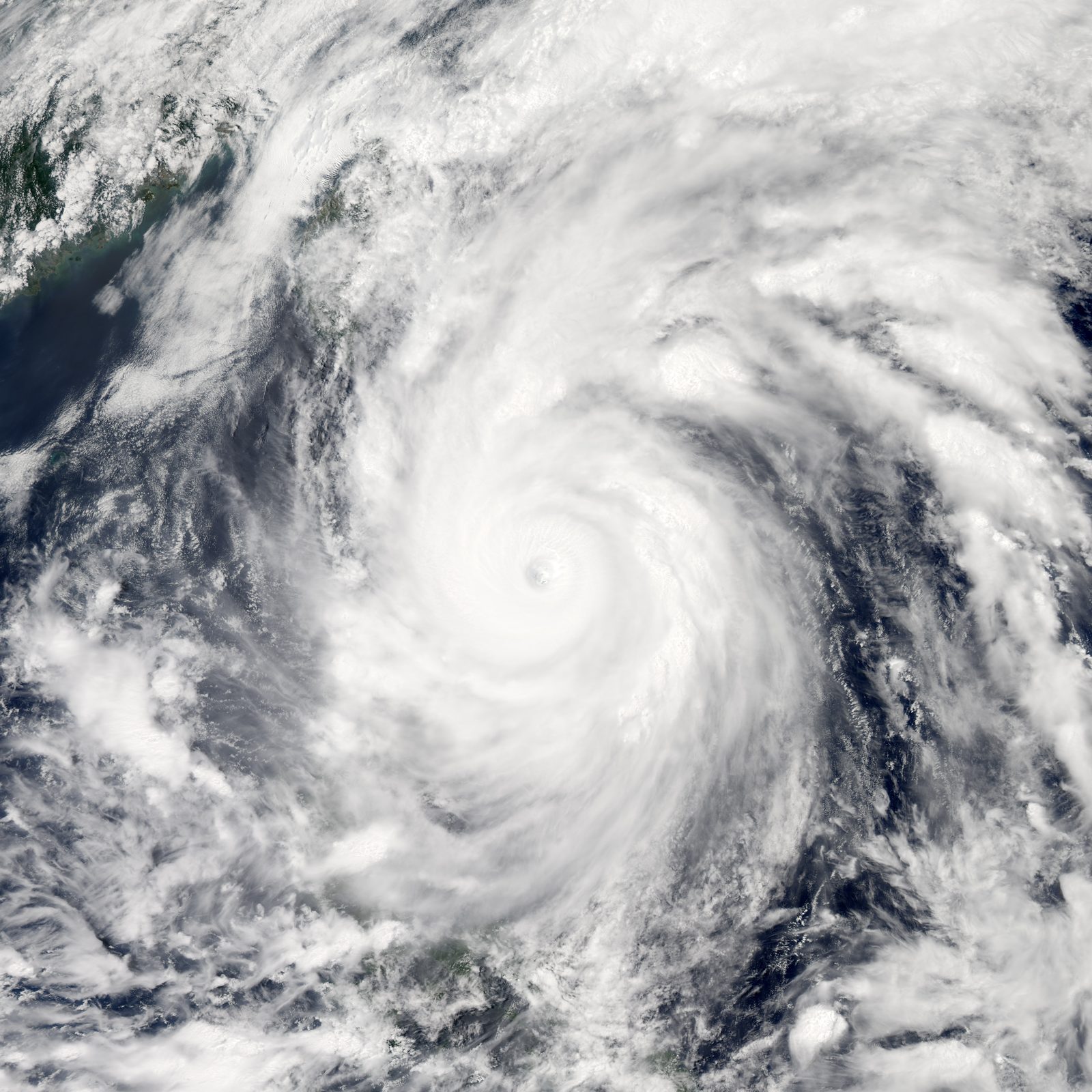
The most powerful storm of 2026 spent the week terrorising the western Pacific. Super Typhoon Champi — known locally in the Philippines as Rosal — lashed Taiwan with torrential rain and towering waves that killed at least one person and injured more than 170, forced a shutdown of schools and offices across the island, then brushed past the Philippines' northernmost Batanes islands before forecasters said it would exit the Philippine Area of Responsibility on Saturday morning.
At its peak on Wednesday morning, Champi's sustained winds reached 296 km/h — the equivalent of a Category 5 hurricane — making it the fifth super typhoon of the year and the seventh Category-5-equivalent tropical cyclone anywhere on the planet in 2026. The storm, which Chronicle covered earlier this week as it barrelled toward Taiwan, has now left its mark across three countries and is heading toward southern Japan.
Taiwan spared a direct hit — but not the damage
Taiwan's Central Weather Administration announced that the typhoon's eye would pass near the island's northeast coast without making landfall, after the storm turned sharply northwards when it hit cooler waters off the island's eastern seaboard. Earlier tracking models had predicted it could slam into the southernmost tip of Eluanbi.
But "spared" proved relative. Al Jazeera reported the storm killed one person and injured around 350, while other outlets put the injured at 171 and rising — with authorities warning the casualty count could grow as damage assessments continue. Schools, offices and markets shut down across much of the island in what amounted to a typhoon-day lockdown.
The real weapon was water. Taiwan forecaster Liu Pei-teng told Reuters that a direct landfall could not be entirely ruled out if the storm stalled, looped or wobbled as it approached — a warning that kept the island on edge. Rainfall peaked on the morning of October 24, and the BBC forecast up to 90cm of rain in the northeast through Saturday. Waves of up to 10 metres were observed in waters south-east of the island, while the Central Weather Administration's Tseng Chao-cheng warned of "extremely heavy rainfall" across the entire island until Saturday, with six-metre waves battering the east coast.
Conditions are expected to ease on October 24, though forecasters said no general improvement would arrive before Sunday, October 25.
Batanes takes the brunt as "Rosal" crosses the PAR
In the Philippines, where Champi is known as Rosal, the Batanes island chain bore the storm's fury. Waves crashed into seaside villages and torrential rain flooded roads, though no immediate casualties were reported there, according to PAGASA advisories tracked by Manila media.
The Philippine weather agency raised Tropical Cyclone Wind Signal No. 2 over Batanes on Wednesday, October 21, and warned of heavy to intense rainfall that could trigger flooding and landslides across extreme Northern Luzon as the storm made its closest approach within 24 hours of Friday. The Office of Civil Defense ordered disaster-risk councils to activate preparedness measures, preposition emergency supplies and mobilise personnel, Rappler reported.
In a striking twist, Malacañang urged residents in the storm's path to collect the heavy rains as a resource against the unfolding El Niño phenomenon — a very strong El Niño now underway in the Pacific that is driving elevated temperatures and drought risk across the archipelago. The typhoon, PAGASA noted, would bring much-needed rains to areas parched by the climate phenomenon.
Forecasters said Rosal would exit the Philippine Area of Responsibility by Saturday morning, October 24, still carrying winds of around 140 km/h — typhoon strength, but well below its peak.
Japan next in line — and flight chaos across the region
The storm is not done. Champi is expected to severely affect Japan's southern islands, including Okinawa, over the weekend in a weakened state, Khaleej Times reported. Japan's Meteorological Agency warned of strong winds, dangerous waves and disruptions to maritime transport, with the Sakishima islands in the immediate path and the possibility of further effects toward Kyushu later. Forecasters expect the system to eventually transition into an extratropical cyclone.
Air travel has taken a beating all week. Taiwan cancelled domestic flights and ferry services, Philippine carriers cancelled routes to Batanes and northern Luzon, and Japanese airlines issued travel waivers for Okinawa — adding to a season of mounting climate disruption. Taiwan's authorities shut down major transport links pre-emptively as the storm approached.
A season of monster storms
Champi is the seventh tropical cyclone worldwide to reach Category 5 intensity in 2026 — a tally that is keeping climate scientists uneasy. The western Pacific has been the year's most prolific nursery of super storms: three of them have now struck the Northern Mariana Islands in six months, and this is the fifth super typhoon to threaten Taiwan or the Philippines this season.
The Pacific typhoon season typically runs through December, and the very strong El Niño now gripping the region tends to energise tropical cyclone activity in the western Pacific. For Taiwan, the Philippines and Japan, the question is no longer whether the next monster storm is coming — only when.
Frequently Asked Questions
Did Super Typhoon Champi make landfall in Taiwan?
No. Taiwan's Central Weather Administration said the eye passed near the island's northeast coast without making landfall, after the storm turned sharply north on hitting cooler waters. But the island still suffered a death, more than 170 injuries, and up to 90cm of rain in the northeast.
What does "Rosal" mean — is it a different storm?
No, it is the same storm. When Champi entered the Philippine Area of Responsibility on October 21, the Philippine weather agency PAGASA assigned it the local name "Rosal", per its naming convention for storms inside the PAR.
How strong was Super Typhoon Champi?
At its peak on Wednesday morning, sustained winds reached 296 km/h — equivalent to a Category 5 hurricane — making it the strongest storm of 2026 and the year's fifth super typhoon. By Saturday it had weakened to around 140 km/h as it exited the PAR.
Where is Champi heading now?
After leaving the Philippines, the storm is expected to bring strong winds and dangerous waves to Japan's southern islands, including Okinawa, over the weekend, before eventually weakening into an extratropical cyclone.