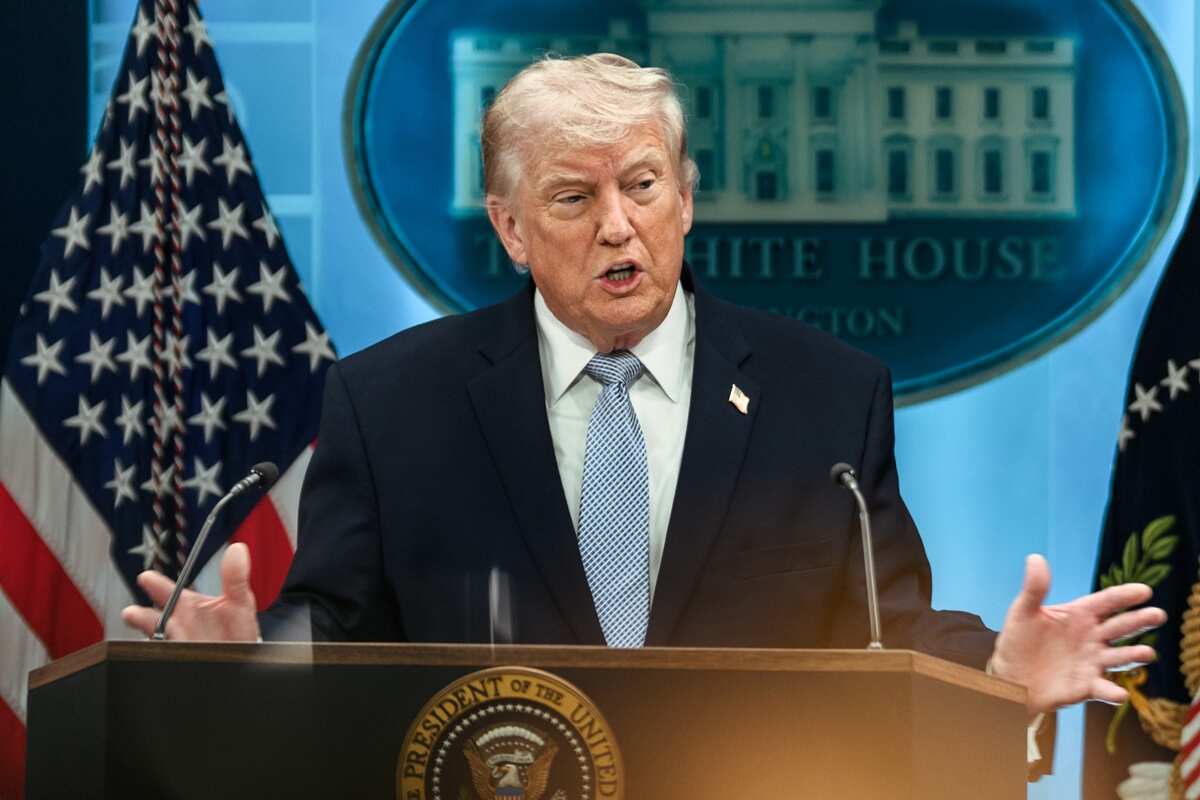
President Donald Trump's approval rating has fallen to the lowest level of his political career, with only 32% of Americans giving him a thumbs-up, according to a Reuters/Ipsos poll completed on Monday. The survey's most damaging finding for the White House concerns the voters who helped return Trump to power: just 24% of Hispanic Americans approve of his job performance — the worst figure he has recorded with the group in either of his presidential terms — less than a month before the November 3 midterm elections, as Reuters reported.
Table of Contents
- The numbers behind the record low
- The Hispanic vote: from kingmaker to warning sign
- Inflation and the Iran war reshape the campaign
- What the midterms will decide
- Frequently Asked Questions
- Sources
- Read more on Chronicle
The numbers behind the record low {#numbers}
The Reuters/Ipsos survey — conducted online over six days among 4,506 US adults with a margin of error of about two percentage points — found Trump's 32% approval unchanged from a September poll that had already marked the low point of his career. Independent polling averages tell the same story: RealClearPolitics put him at 38.4% approval against 59.4% disapproval on October 5, with similar readings from the New York Times and Silver Bulletin, as USA Today reported.
The erosion is broad but uneven. Registered voters preferred Democrats over Republicans by 44% to 37% on the generic congressional ballot, and among independents the Democratic lead stood at 37% to 21%, with 28% still undecided. Trump's party has also seen its advantage among older voters narrow — a demographic that once reliably anchored Republican coalitions.
The Hispanic vote: from kingmaker to warning sign {#hispanic}
The collapse among Hispanic voters is the poll's defining result. In 2024, Trump won nearly half of the Hispanic vote — up from roughly one-third in 2020 — a surge that was widely credited with helping to secure his return to the White House. Two years later, only 24% of Hispanic Americans approve of his performance, and barely one in four Hispanic registered voters (26%) plan to vote Republican in November.
Meanwhile, 52% of Hispanic voters say they intend to back Democrats — roughly double the Republican share, and the largest Democratic advantage among the group since Trump first took office. A separate NBC News/Telemundo poll published on Sunday found Democrats leading Republicans by 24 percentage points on which party Latino voters want to control Congress.
The swing illustrates how quickly electoral coalitions built on economic promises can fray. Hispanic voters, who had shifted toward Trump amid post-pandemic price pressures, are now among the groups most exposed to the fresh round of inflation squeezing American households.
Inflation and the Iran war reshape the campaign {#inflation}
The poll identifies the cost of living as the dominant issue of the campaign. Consumer inflation has risen on the back of higher gasoline and diesel prices, which Reuters links to the US war with Iran — a conflict that has sent energy costs climbing and squeezed family budgets. Trump has blamed Democrats and Ukraine for the fuel-price spike, not the Iran war, but the survey suggests voters are not buying it.
The administration has moved to soften the blow: just this month Trump announced $90 payments for seniors on Medicare ahead of the midterms, a move we covered earlier. Yet Monday's poll indicates the gesture has not yet moved the needle with the wider electorate.
Energy diplomacy sits at the heart of the president's political dilemma. His administration's talks with Russia over Ukraine have expanded to include a sprawling, multibillion-dollar deal for Lukoil's global oil assets — negotiations we examined in detail — even as American truckers describe pump prices that have doubled in a year.
What the midterms will decide {#midterms}
The November 3 elections will determine control of both chambers of Congress for the final two years of Trump's current term. Analysts increasingly predict Democrats will take a House majority, with control of the Senate also seen as up for grabs — a far cry from the governing trifecta the president inherited in 2025.
For Republicans, the Reuters/Ipsos numbers read as a warning: a president stuck at 32% approval is a drag on every down-ballot race. For Democrats, they read as an opportunity — but one that depends on turning disapproval into turnout, particularly among independents, nearly three in ten of whom remain undecided with weeks to go.
Frequently Asked Questions
What did the Reuters/Ipsos poll find?
The six-day poll of 4,506 US adults, completed October 5, 2026, found 32% of Americans approve of Trump's presidency — unchanged from September and the lowest rating of his political career. Just 24% of Hispanic Americans approved, also a record low for him with that group.
Why are Hispanic voters turning against Trump?
Hispanic voters, who helped propel Trump to victory in 2024 when he won nearly half their vote, have soured as Americans struggle with high inflation driven by rising fuel prices linked to the US war with Iran. The poll also points to cost-of-living pressures as the top voter concern.
How could this affect the November midterms?
Only 26% of Hispanic registered voters plan to vote Republican versus 52% for Democrats — the largest Democratic advantage among them since Trump took office. Overall, registered voters prefer Democrats 44% to 37% on the congressional ballot, and analysts predict Democrats could take the House.
When are the 2026 US midterm elections?
Election day is November 3, 2026. Voters will decide control of both chambers of Congress for the final two years of Trump's current term.
Sources
- Reuters, "Trump approval at record low; Hispanic voters sour on Republicans, Reuters/Ipsos poll finds", reuters.com
- USA Today, "Trump approval rating stays at record low in new poll as midterms near", usatoday.com