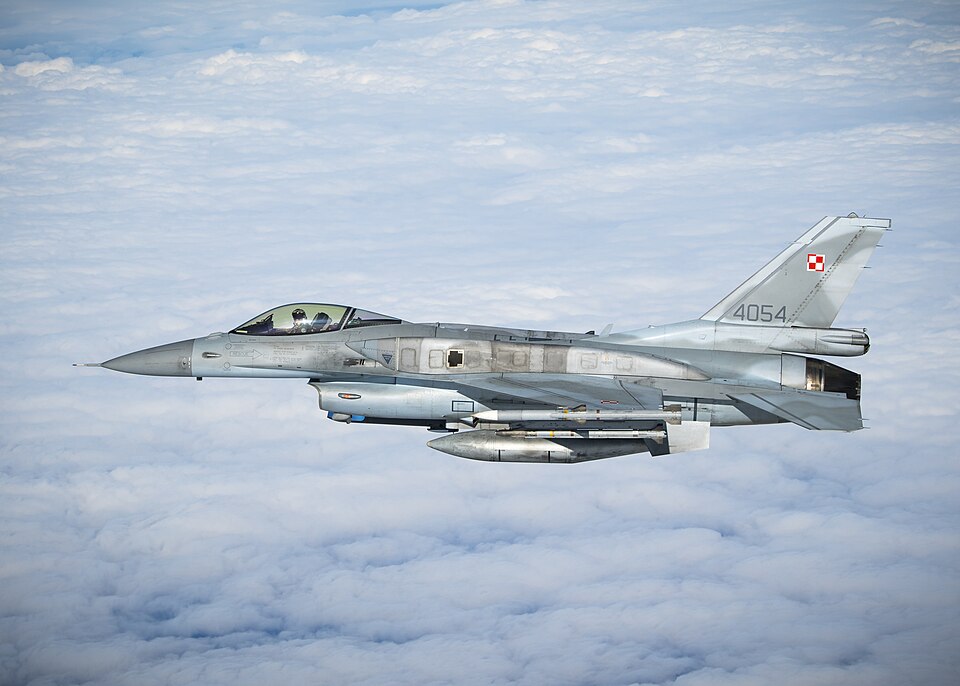
President Donald Trump confirmed on Friday that the United States carried out new limited strikes against Iran, targeting an air defence system on Qeshm Island in the Strait of Hormuz, in the second round of American attacks on the strategic island in a week (Al Jazeera).
Table of Contents
- What happened on Friday
- Tehran's response: a drone claim and a missile signal
- A week of attacks on Gulf shipping
- Strikes and talks at the same time
- Why Qeshm matters
- Frequently Asked Questions
What happened on Friday
Speaking to reporters after arriving in West Palm Beach, Florida, on Friday evening, Trump described the operation in deliberately modest terms. US forces, he said, had destroyed a small anti-aircraft installation that Iran had recently built. "They knocked out — they built a little bit of an anti-aircraft device and we knocked it out in about 15 minutes, maybe five," he said, according to The Times of Israel.
Iranian state media reported that two missiles struck the Suza area of Qeshm Island, after residents heard aircraft overhead. The state news agency IRNA, citing local witnesses, said two projectiles had fallen in the area. No casualty figures or damage assessment had been published by either side by Saturday morning.
US Central Command, which oversees American military operations across the Middle East, described the situation as "relatively calm" in response to reports of the explosions, offering no further detail on the operation.
The strikes followed a similar round of attacks on Monday, when explosions were heard on Qeshm and the neighbouring island of Hengam, as well as near the mainland port of Bandar Abbas. American officials described those earlier strikes as defensive, saying they targeted Iranian personnel using surface-to-air missiles against US assets. The back-to-back operations suggest Washington has settled into a pattern of short, sharp responses each time Iran rebuilds air defences in the strait.
Tehran's response: a drone claim and a missile signal
Iran's armed forces pushed back with a claim of their own. State broadcaster IRIB reported an army statement saying Iranian air defences had intercepted and destroyed an American MQ-9 Reaper drone over Qeshm Island. The Islamic Revolutionary Guard Corps separately claimed its air defences had brought down an MQ-1 drone, which it said was the 16th aircraft of that model destroyed since the current round of hostilities began. The United States did not confirm either claim.
Tehran also sent a broader warning. On Saturday, the Revolutionary Guard announced it had lifted its self-imposed 2,000-kilometre limit on the range of its ballistic missiles, a restriction Iran had observed for years. A Guard spokesperson said the cap was no longer in effect, a move that, if acted on, would put new targets within reach and deepen the anxiety of Gulf states already caught between the two sides.
The announcements came as Iran was reported to be negotiating with Russia for S-400 air defence systems, according to The Times of Israel. Much of Iran's existing air defence network was destroyed or badly degraded during the June 2025 bombardment by Israel and in the early stages of the current conflict, and US officials have assessed that Tehran would try to rebuild it over time.
A week of attacks on Gulf shipping
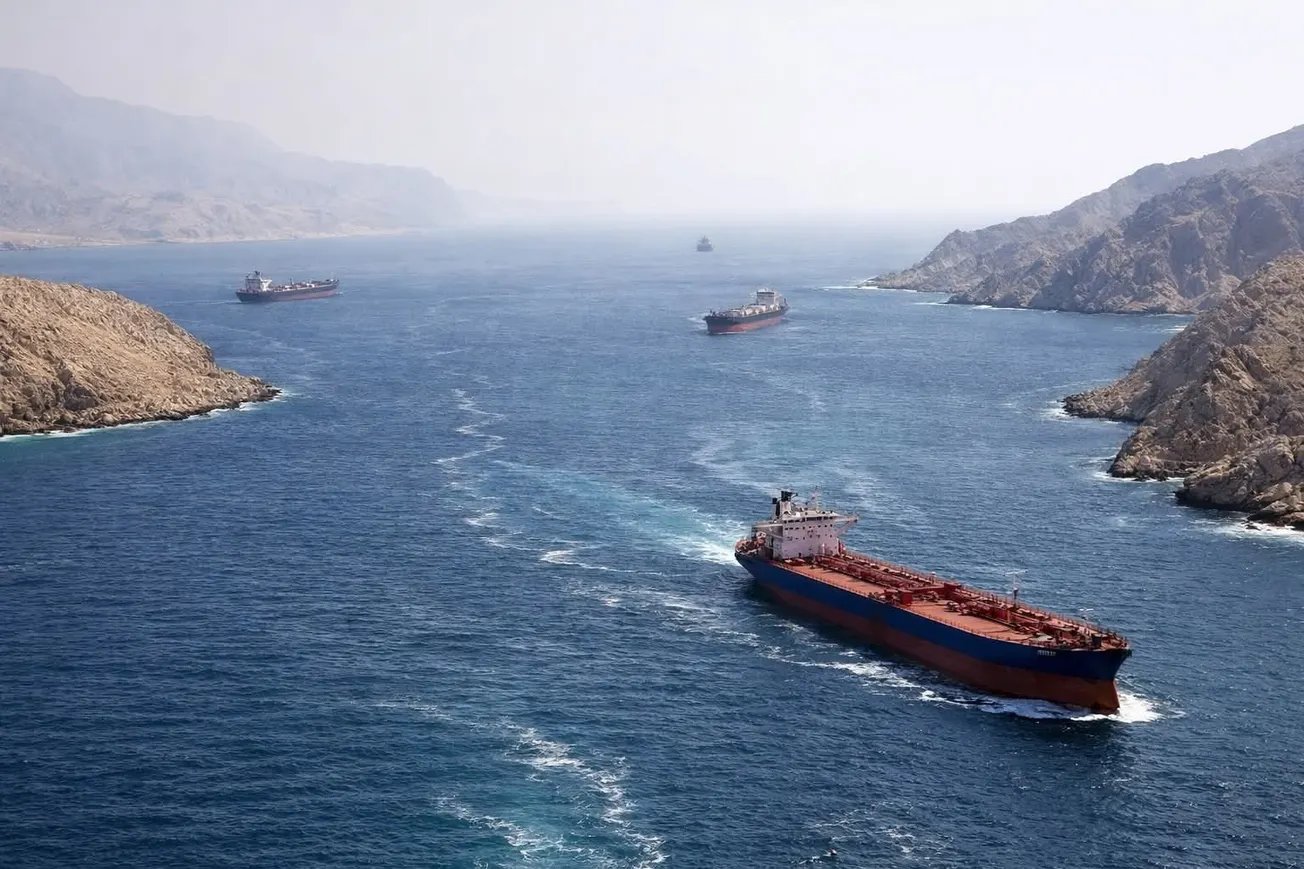
The strikes on Qeshm cannot be separated from a sharp escalation at sea. At least 11 ships were attacked in and around the Strait of Hormuz during the week ending on November 6, according to the United Kingdom Maritime Trade Operations centre, which said three of them sank. A Western military intelligence agency has recorded 88 projectile strikes since hostilities resumed in early July, while cautioning that most attacks are going unreported.
The pattern has raised the cost of doing business in the world's most important oil waterway. Insurers, shipowners and Gulf energy exporters are watching each incident for signs of whether the campaign against shipping is widening or whether it remains a pressure tactic tied to the nuclear negotiations.
Strikes and talks at the same time
For all the military activity, both sides insisted that diplomacy was still alive. Trump said Washington had made "a lot of progress" in talks with Iran and stressed that the United States was "not fighting" a wider war. The negotiations are being mediated by Qatar, and officials told the Associated Press that Tehran is reviewing Qatari proposals aimed at bridging the gap over its nuclear programme.
Washington added a parallel pressure track on Friday, with US Central Command announcing that the Rewards for Justice programme is offering up to $20 million for information about Iran's nuclear programme, including facilities, equipment and personnel movements.
The timing is politically charged. The strikes came three days after Republicans suffered sweeping losses in the November 3 midterm elections, a result that has already reshaped the domestic debate over the president's foreign policy. Trump has framed the limited operations as proof that force and negotiation can run together — hitting Iranian defences while keeping the door to a deal open. Whether Tehran reads the message the same way will decide whether the coming days bring a settlement or a wider war.
Why Qeshm matters
Qeshm sits at the mouth of the Strait of Hormuz, the narrow channel through which a large share of the world's seaborne oil passes. The island hosts an underground missile site, a naval base and a major desalination plant, and it has been struck repeatedly during the current conflict. Control of its airspace matters because whoever can operate freely over Qeshm can threaten — or protect — the shipping lanes below.
Each round of strikes also tests the same question: can the United States keep Iranian air defences suppressed with brief, deniable operations, or will Tehran's rebuilding, backed by new Russian hardware and longer-range missiles, force Washington into a larger campaign it says it does not want?
Frequently Asked Questions
What did Trump say about the strikes on Iran?
Trump confirmed on Friday, November 6, that US forces carried out limited strikes on an Iranian air defence system on Qeshm Island, describing the action as "minor" and saying the target was destroyed within minutes.
Where exactly did the strikes hit?
Iranian state media reported two missiles striking the Suza area of Qeshm Island, in the Strait of Hormuz. The United States did not publicly specify the exact target beyond describing it as an air defence installation.
Did Iran shoot down an American drone?
Iran's army said its air defences destroyed a US MQ-9 drone over Qeshm Island, and the Revolutionary Guard claimed a separate MQ-1 shootdown. The United States did not confirm either claim.
Are the US and Iran still negotiating?
Yes. Trump said Washington had made "a lot of progress" in talks with Iran, and Qatar is mediating. Iranian officials are reported to be reviewing Qatari proposals on the nuclear programme even as the strikes continue.
How bad is the situation for shipping in the Strait of Hormuz?
At least 11 ships were attacked in and around the strait in the week ending November 6, with three sinking, according to the United Kingdom Maritime Trade Operations centre. It is the most dangerous stretch for Gulf shipping since hostilities resumed in July.
Related coverage: our report on Monday's defensive strikes on Qeshm and Hengam, the midterm results that reshaped Washington's politics, and Trump's appointment of Stephen Miller as chief of staff.