Russia's sustained campaign against Ukraine's energy system amounts to war crimes, a United Nations commission of inquiry has concluded, finding that strikes on heating plants, power lines and gas facilities were deliberately aimed at civilian infrastructure in a bid to break the country's will to keep fighting. The finding, delivered to the UN General Assembly on Monday, is the commission's bluntest legal judgement yet on a tactic Ukrainians have endured every winter since 2022: the use of cold itself as a weapon.
The report from the Independent International Commission of Inquiry on Ukraine, reported by Al Jazeera, examines years of large-scale attacks on the country's energy infrastructure and their cumulative effect on civilians. Its central conclusion is unqualified: Russian commanders who ordered the strikes knew the facilities they were hitting were indispensable to the civilian population, and the attacks therefore constitute the war crime of intentionally directing attacks against civilian objects.
Table of Contents
- What the commission found
- The winter of 2025–2026: the case study at the heart of the report
- Why the legal label matters
- A pattern, not a series of accidents
- The war goes on as winter returns
- A second allegation: foreign fighters and human trafficking
- Key takeaways
- Frequently Asked Questions
- Sources
- Chronicle related reading
What the commission found
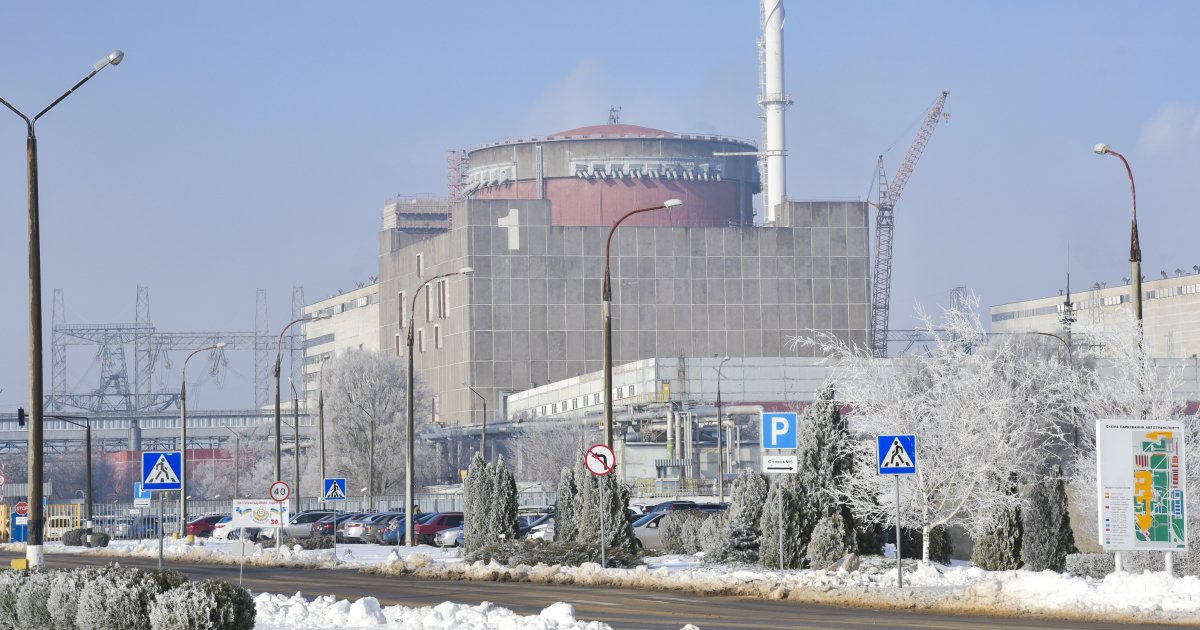
The commission, established by the UN Human Rights Council, investigated the impact on civilians of large-scale attacks on Ukraine's energy infrastructure since the autumn of 2022. Its report documents waves of strikes involving hundreds of drones and missiles at a time, growing in frequency, intensity and geographic range over the years and inflicting significant damage on the country's energy sector.
The legal reasoning turns on knowledge and intent. Under international humanitarian law, civilian objects are protected from attack, and the commission assessed that the Russian commanders ordering the strikes knew the heating facilities they targeted were indispensable to civilians. It also pointed to official Russian declarations about further attacks and to what it described as a plan to carry them out — evidence, in its view, that the strikes were deliberate rather than incidental damage from attacks on military targets.
"The commission concluded that they committed war crimes of intentionally directing attacks against civilian objects," the report states, according to Al Jazeera.
The winter of 2025–2026: the case study at the heart of the report
The report gives particular attention to the severe winter of 2025–2026, when temperatures in Ukraine fell to minus 21 degrees Celsius. In those conditions, the commission found, millions of people faced lengthy outages of heating, electricity, water and gas, and were forced to cope with what it called intolerable living conditions.
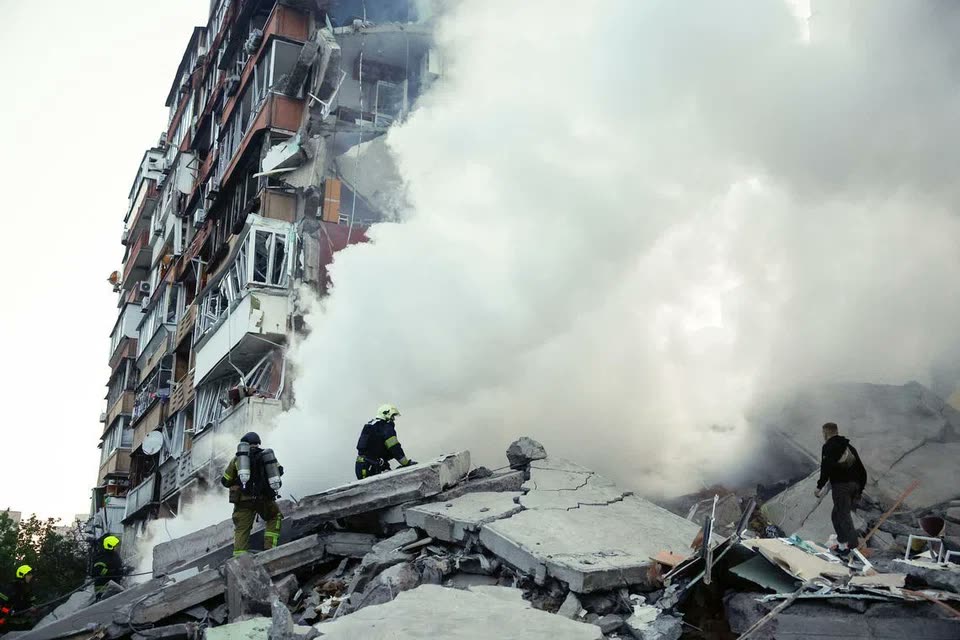
That winter matters to the legal argument because it strips away any ambiguity about consequences. When a heating plant is destroyed in January, the result is not an abstract disruption to a grid: it is flats without heat in sub-zero temperatures, hospitals running on generators, and water systems that fail when pumps lose power. The commission's point is that this was foreseeable — indeed, foreseen — by those ordering the strikes, and that foreseeability is precisely what elevates the attacks from the ordinary destruction of war to a crime under international law.
Commission chair Erik Mose underlined the urgency as the cold season approaches again, noting that "the attacks have intensified once again, raising serious concerns about the threats to civilians' lives and health."
Why the legal label matters
A UN commission of inquiry does not try individuals or hand down sentences. Its findings are not a court verdict, and Russia has consistently rejected the commission's work. So why does the label "war crime" carry weight?
First, it creates a formal record. The report is submitted to the General Assembly, and its findings feed into the work of prosecutors, national courts exercising universal jurisdiction, and the International Criminal Court, which has its own Ukraine investigation. Legal findings of this kind are the raw material from which future cases are built, even if those cases take years.
Second, it sharpens the diplomatic argument. Characterising energy strikes as a deliberate strategy against civilians makes it harder for third countries to treat them as a routine feature of the war, and it strengthens the case of governments arguing for continued military and humanitarian support for Ukraine's air defences and grid repair.
Third, it speaks to the historical record. Long after the war ends, the question of what was done to Ukraine's civilian infrastructure — and whether it was deliberate — will be contested. A UN commission's reasoned finding, based on investigated evidence, is a significant entry in that record.
A pattern, not a series of accidents
The commission's framing is important: it describes a pattern that has repeated every year since Russia's full-scale invasion in February 2022. Each autumn, as temperatures fall, strikes on energy infrastructure intensify. Each winter, civilians bear the consequences. The report's assessment is that Moscow has sought, year after year, to inflict suffering on Ukrainian citizens with the apparent ambition of draining the country's will and ability to continue defending its territory.
That reading is consistent with the observable rhythm of the war. Ukraine's energy workers have become, by grim necessity, among the most experienced grid-repair crews in the world, restoring substations and transmission lines under fire. But repair capacity is finite, and the commission's warning about intensifying attacks as winter approaches suggests the coming months will test it again.
The war goes on as winter returns
The report landed against a backdrop of continued daily strikes by both sides, with little indication that a ceasefire is in sight. On Monday, a Russian strike on the southeastern city of Zaporizhzhia injured four people overnight, according to regional governor Mykhailo Semikin. Moscow, for its part, accused Ukraine of repeatedly striking the Russian-controlled town of Oleshky in southern Ukraine ahead of a planned local ceasefire this week.
The symmetry of those claims should not obscure the asymmetry the commission documents. Both sides strike each other's territory, but the UN report concerns a specific, sustained campaign against one category of target — civilian energy infrastructure — conducted at a scale and with a persistence that, in the commission's judgement, crosses the line into criminality.
A second allegation: foreign fighters and human trafficking
The report also accused Moscow of human trafficking in connection with the recruitment of foreign fighters into the Russian armed forces, in violation of international human rights law. According to the commission, the majority of those recruited have been killed, gone missing, or been injured or captured.
The allegation echoes reporting during the nearly five-year war of men — including from India — who were duped into fighting on the front lines, sometimes after being promised unrelated civilian work. If substantiated, the recruitment practices would add a further human-rights dimension to a report whose main focus is the energy campaign.
Key takeaways
- The UN's Independent International Commission of Inquiry on Ukraine has concluded that Russia's attacks on Ukraine's energy infrastructure are war crimes.
- The commission found commanders knew the heating plants, power lines and gas facilities they targeted were indispensable to civilians.
- The severe winter of 2025–2026, with temperatures down to minus 21 degrees Celsius, left millions facing lengthy outages of heating, electricity, water and gas.
- Commission chair Erik Mose warned that attacks have intensified again as the cold season approaches.
- The report also accused Moscow of human trafficking in recruiting foreign fighters, most of whom have been killed, gone missing, or been injured or captured.
Frequently Asked Questions
What exactly did the UN commission conclude?
The Independent International Commission of Inquiry on Ukraine concluded that Russia's attacks on Ukraine's energy infrastructure constitute war crimes, specifically the war crime of intentionally directing attacks against civilian objects. It found that commanders knew the facilities targeted were indispensable to the civilian population.
Which attacks does the report cover?
The report covers large-scale attacks on heating plants, power lines, gas facilities and other energy infrastructure since the autumn of 2022, including waves involving hundreds of drones and missiles at a time, with particular attention to the severe winter of 2025–2026.
Does the commission's finding mean anyone will be prosecuted?
Not directly. A commission of inquiry does not try individuals. Its findings create a formal, evidence-based record that can inform prosecutors, national courts and the International Criminal Court, but any prosecution would be a separate process.
What has Russia said?
Russia has consistently rejected the commission's work and findings. Moscow maintains that its strikes target military and dual-use infrastructure, a position the commission's report disputes on the basis of the pattern, scale and declared intent of the energy campaign.
Why is the timing of the report significant?
The report was submitted to the UN General Assembly as winter approaches and as the commission says attacks on energy targets have intensified again, raising fresh concerns about civilian lives and health in the months ahead.
Sources
- Al Jazeera — "Russian attacks on Ukraine's energy infrastructure a war crime: UN", 26 October 2026.