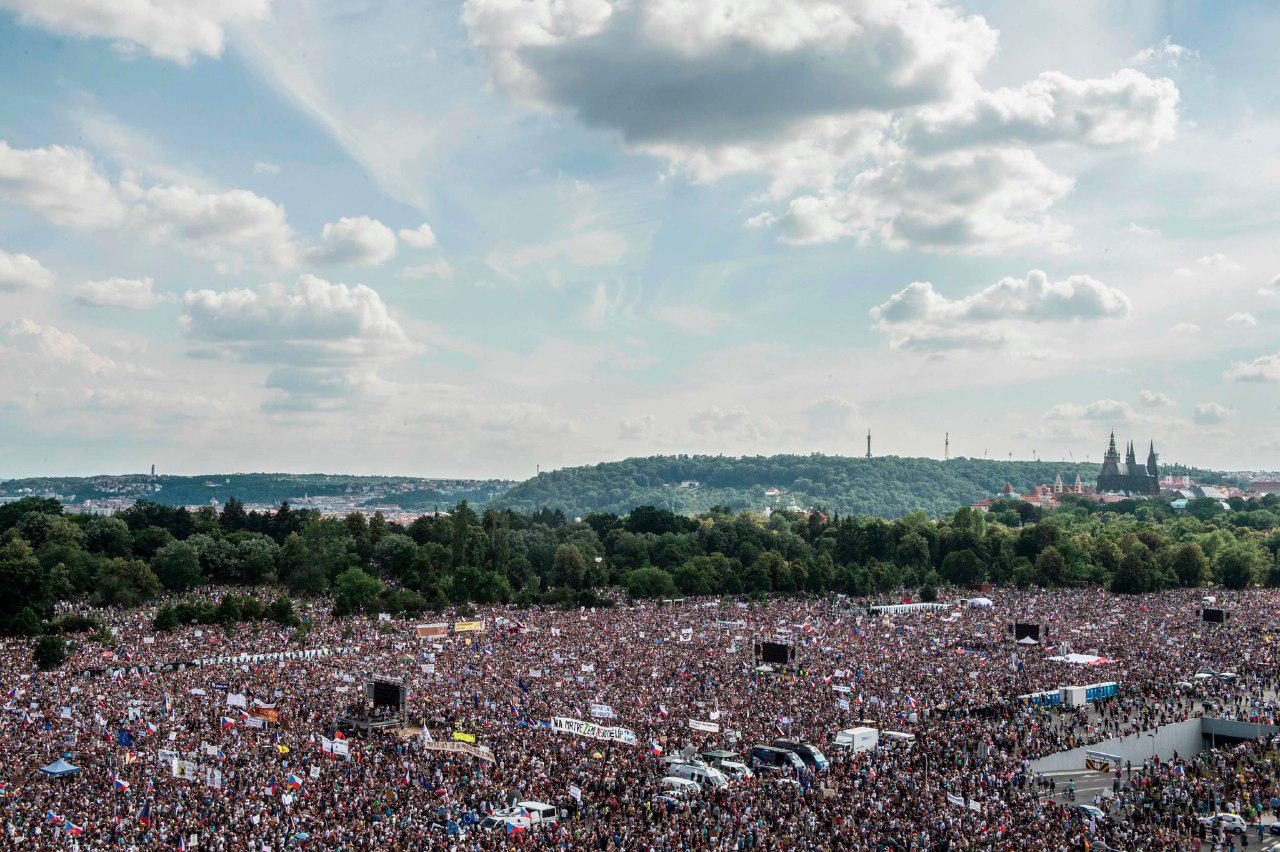
Hundreds of thousands of people are expected to gather in Prague's Letná Park on Sunday, November 15, 2026, for what organisers say could be one of the largest demonstrations in Czechia in years, as anger over the government's plan to overhaul the funding of public television and radio spills from the streets into the European Parliament. The rally, called by the civic group Million Moments for Democracy, comes two days before the anniversary of the 1989 Velvet Revolution — a date the country's modern democracy was born on, and one the prime minister has said he will not mark in person, according to Deutsche Welle.
The protest is the latest escalation in a confrontation that began when the coalition government of Prime Minister Andrej Babiš pushed a bill through its first parliamentary reading in a surprise overnight session on October 23–24. The legislation would abolish the licence fees that currently fund Czech Television and Czech Radio and replace them with direct allocations from the state budget — a change critics say would leave both broadcasters exposed to political pressure, and which the government says would cut their funding by around 15 percent in the first year.
Table of Contents
- A rally two days before the Velvet Revolution anniversary
- The overnight vote that started it all
- What the overhaul would actually change
- Strikes, students and a widening movement
- The dispute reaches Brussels
- The president weighs in
- What happens next
- Key takeaways
- Frequently Asked Questions
- Sources
- Chronicle related reading
A rally two days before the Velvet Revolution anniversary
Letná Park is no ordinary protest venue. Its vast plain above the Vltava has hosted the defining civic gatherings of modern Czech history, and the choice of date is deliberate: November 17 marks the start of the Velvet Revolution, the student-led uprising that ended Communist rule in 1989. Organisers say the timing is meant to remind the government — and the public — what is at stake when institutions meant to hold power to account are brought under state control.
The symbolism has been sharpened by the prime minister himself. Babiš has announced that he will not attend the Velvet Revolution anniversary celebrations on November 17, a decision his critics have seized on as evidence of contempt for the democratic legacy the day represents. For the protest movement, the empty chair has become part of the argument.
The overnight vote that started it all
The bill reached the lower house of parliament without warning. It was brought to the floor outside the planned order of business on Friday, October 23, and the Speaker, Tomio Okamura of the far-right SPD party, limited debate and scheduled the vote for 4:36 in the morning on Saturday, October 24. Lawmakers approved the document in the first of three readings, and it is now at the committee stage before a later vote.
The manner of the vote mattered as much as its content. Smaller protests broke out on Friday as soon as the bill's unexpected introduction became known, and by Sunday, October 25, thousands of people had packed Prague's Old Town Square in a demonstration that set the tone for everything that followed. Chronicle covered that rally as thousands filled Prague's Old Town Square to protest the overhaul.
What the overhaul would actually change
Under the proposal, the household licence fees that have funded Czech Television and Czech Radio would be abolished and replaced with financing from the state budget. The government argues the change fulfils an election promise and points to funding models used elsewhere in Europe, saying the new arrangement would make the two broadcasters more efficient.
Critics — including journalists' associations, the broadcasters' own staff and opposition parties — argue the opposite. Funding set annually by politicians, they say, gives any government a lever over the newsrooms that report on it, and the proposed cut of around 15 percent in the first year would weaken both organisations at the moment they are most under pressure. Trust in the media in Czechia is already low, at around 30–33 percent according to the Reuters Institute Digital News Report 2026, and critics warn the reform would push it lower still.
Strikes, students and a widening movement
The protest has grown well beyond the original parliamentary dispute. In early November, employees of both broadcasters announced a strike, disrupting television and radio programming and putting the staff themselves at the centre of a fight that had previously been fought by politicians and activists.
On Tuesday, November 10, university students gathered at Prague's náměstí Republiky to defend public-service broadcasting and independent culture, calling for Culture Minister Oto Klempíř to resign. ČTK reporters estimated attendance in the high hundreds, while organisers put it at 4,000. Journalism students from Charles University said they had sent the government an open letter signed by 2,317 people expressing concern about the future independence of public-service broadcasting, and speakers at the rally broadened the demands to university and research funding as well.
The dispute reaches Brussels
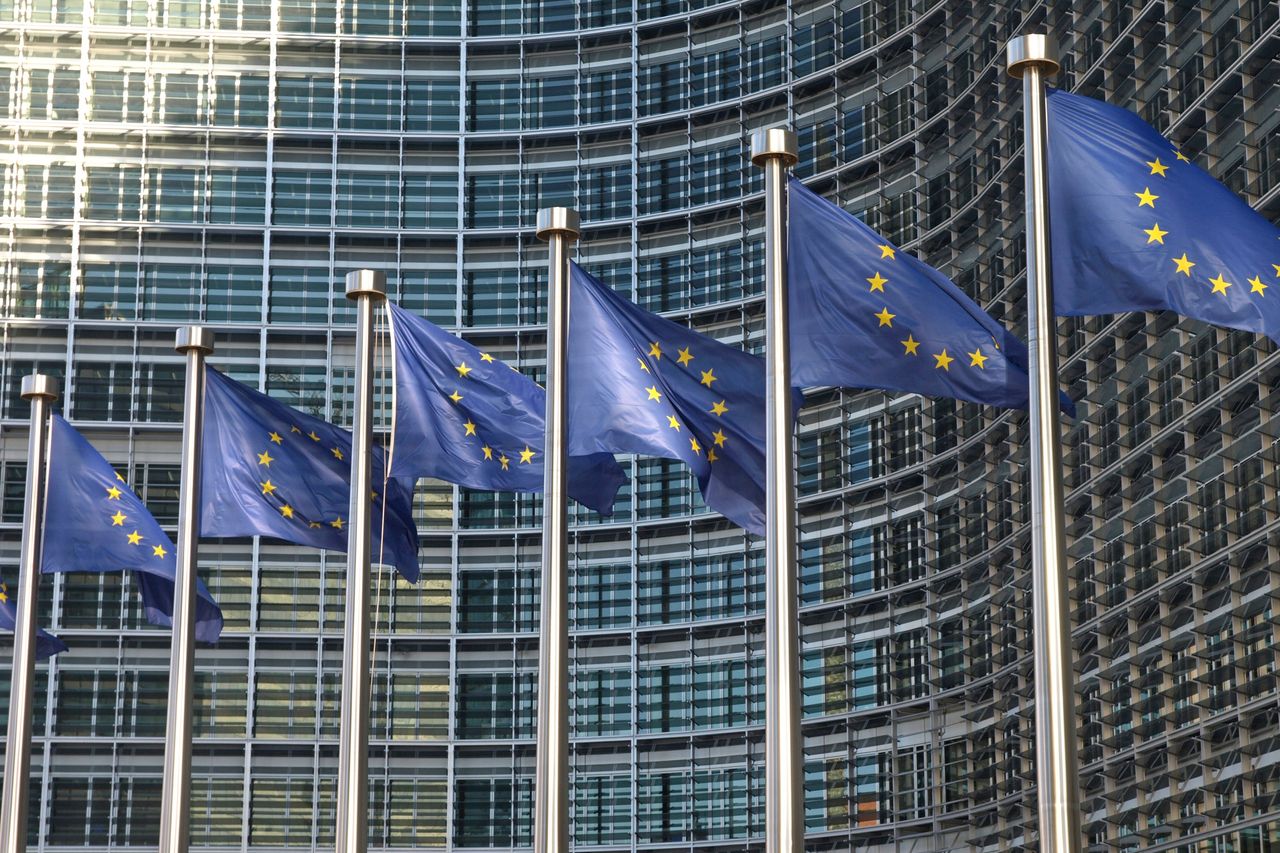
The row has now gone beyond Czechia's borders. On Wednesday evening, November 11, the European Parliament debated whether the government's proposed changes threaten media independence, under the title "Media freedom and the rule of law in the Czech Republic: Threats to the independence of public-service media." A resolution linked to the debate is scheduled for a vote at Parliament's November session in Strasbourg.
The European dimension matters because the dispute is no longer only about a funding formula. MEPs are weighing whether a member state is weakening the independence of its public broadcasters — a question the European Union has treated as a test of the rule of law in other countries in recent years. The debate does not itself decide anything, but it puts the Czech government under a spotlight it has so far tried to avoid.
The president weighs in
President Petr Pavel, who has often clashed with Babiš since the prime minister returned to power in 2025, has made his position clear, saying he believes that "public service media are among the fundamental pillars of our democracy." His intervention carries weight precisely because the presidency is supposed to stand above the daily politics of the governing coalition — and because Babiš's coalition, backed by the far-right SPD and another far-right party, has frequently clashed with public and private media.
The political backdrop adds to the tension. Babiš's ANO movement suffered a setback in the Senate runoff elections in October, a result Chronicle covered in its report on the ANO defeat, and the government has been under pressure on several fronts at once. The media bill has become the focal point for a broader opposition that spans students, journalists, cultural organisations and ordinary citizens.
What happens next
Sunday's rally will be the clearest test yet of the scale of public opposition. If the crowds match the hundreds of thousands organisers expect, it will be difficult for the government to present the reform as a routine administrative change. If the turnout disappoints, Babiš's coalition will argue that the opposition is a vocal minority and press ahead with the bill through its committee stage and later votes.
Either way, the dispute is unlikely to end on Sunday. The bill still has two readings to pass, the European Parliament's resolution vote is still to come, and the broadcasters' staff have shown they are willing to strike. The Velvet Revolution anniversary on Tuesday will provide the next stage — with the prime minister absent, and a country asking itself what the revolution's legacy is worth.
Key takeaways
- Hundreds of thousands of people are expected at a rally in Prague's Letná Park on Sunday, November 15, against the government's public media funding overhaul.
- The bill would abolish licence fees for Czech Television and Czech Radio, replace them with state-budget funding, and cut their budgets by around 15 percent.
- It passed its first reading in a surprise overnight vote at 4:36 a.m. on October 24, with debate limited by Speaker Tomio Okamura.
- Broadcaster staff have struck, students have rallied calling for the culture minister's resignation, and the European Parliament debated the issue on November 11.
- President Petr Pavel has called public-service media "among the fundamental pillars of our democracy", and Prime Minister Andrej Babiš has said he will skip the Velvet Revolution anniversary.
Frequently Asked Questions
Why are people protesting in Prague on November 15?
Protesters oppose a government bill that would abolish the licence fees funding Czech Television and Czech Radio and replace them with direct state-budget funding, cutting their budgets by about 15 percent. Critics say the change would expose both broadcasters to political pressure and threaten media independence.
Who is organising the protest?
The rally in Letná Park is being organised by the civic group Million Moments for Democracy, the same movement behind some of the largest demonstrations in recent Czech history. Hundreds of thousands of people are expected to attend.
What happened in the overnight vote on October 24?
The bill was unexpectedly brought to the lower house floor outside the planned order of business on October 23. Speaker Tomio Okamura limited debate and scheduled the vote for 4:36 a.m. on October 24, when lawmakers approved it in the first of three readings. It is now at the committee stage.
Has the European Union taken a position?
The European Parliament debated the issue on November 11 under the title "Media freedom and the rule of law in the Czech Republic". A resolution linked to the debate is scheduled for a vote at Parliament's November session in Strasbourg; Wednesday's discussion was not itself a vote on a formal position.
What does the government say about the reform?
The government says replacing broadcast fees fulfils an election promise, points to funding models used elsewhere in Europe, and argues the new arrangement would make Czech Television and Czech Radio more efficient.