Egypt has put its military weight behind Saudi Arabia. The country's top security body announced on Sunday that Cairo will provide its close ally with "all necessary and possible forms of support" to defend itself against escalating drone and missile attacks by Yemen's Iran-backed Houthi rebels — a pledge that could see Egyptian forces deployed abroad for the first time in years, as the fighting on Saudi territory becomes the latest front in the wider war with Iran.
The decision was taken at a meeting of the National Defence Council chaired by President Abdel Fattah el-Sisi at the presidential palace in Cairo, according to a presidential statement carried by the Associated Press. Senior political, military and security officials — including the parliamentary speaker, the prime minister, the defence minister and the intelligence chief — reviewed what the council described as "dangerous" regional developments, above all the Houthis' campaign against the kingdom.
What Cairo promised — and what it didn't spell out
The statement declared Egypt's "full solidarity" with Saudi Arabia, stressing that the kingdom's security is "inseparable" from Egyptian and Arab national security. But it offered no details on the form the support would take.
The silence around specifics did not last long. On Saturday, el-Sisi had called for parliament to grant him authorisation to deploy troops and military equipment abroad — and under Article 152 of Egypt's constitution, the president cannot send the army on a combat mission outside the country without consulting the council and securing the approval of two-thirds of MPs. A parliamentary session to vote on the authorisation, originally scheduled for after the council meeting, has been extended by two days, The National reported.
"It is inconceivable that we would allow Saudi Arabia, its security or stability to be harmed," el-Sisi said in a speech at the Military Academy, adding that Egypt would act only if Riyadh asked. "We do not want to fight or attack anyone. We will only defend Saudi Arabia."
Mostafa Bakry, a member of parliament and a television host close to the state, wrote on X that the council had approved sending forces to the kingdom on "a defensive mission". The legislature is dominated by pro-Sisi legislators who have backed his policies in the past, and the request is widely expected to pass.
Why Saudi Arabia needs help now
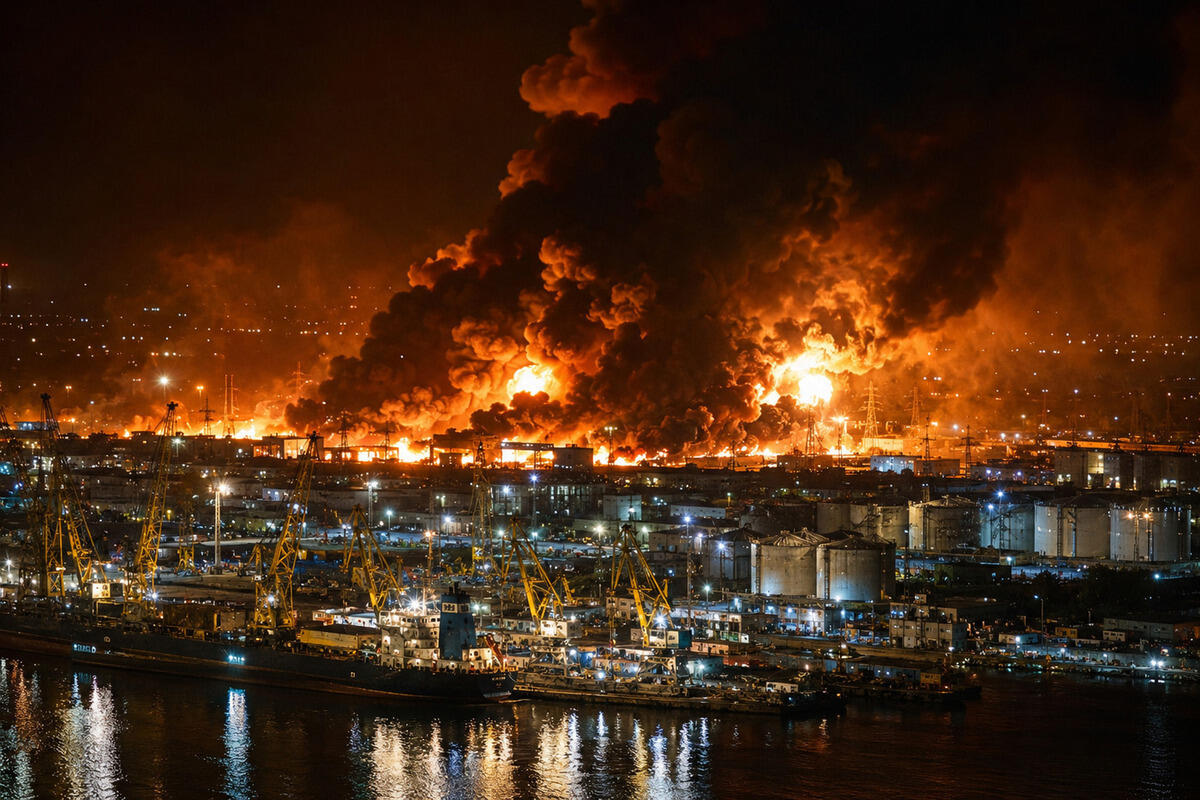
The Houthis have repeatedly struck airports and oil infrastructure across Saudi Arabia with drones and missiles capable of changing direction in flight — a flight profile that poses a serious challenge to air-defence interceptors. Riyadh's international airport and facilities belonging to the state oil giant Saudi Aramco have been hit in recent days, as reported in the kingdom's widening confrontation with the rebels.
At least 19 people have been killed and thousands of flights disrupted, according to the Associated Press, rattling global energy markets. The escalation followed the collapse of a truce between the Houthis and the Saudi-backed forces of Yemen's internationally recognised government, with fighting also returning to Yemeni cities — Aden's airport and a presidential palace used by the government were attacked in the past week, while the Saudi-led coalition has launched a wide operation inside Yemen.
Saudi Arabia has been pressing allies for military assistance. On Sunday, the Saudi defence minister was also meeting the president of the United Arab Emirates about strengthening cooperation, according to the UAE's WAM news agency — notable because the two countries have backed rival factions within the anti-Houthi coalition in the recent past, the Associated Press noted.
The Houthis warn Cairo against intervening
The Yemeni rebels wasted no time responding to the Egyptian announcement. According to The National, Houthi officials warned Cairo against any military intervention on Riyadh's side — a sign that the prospect of Egyptian troops joining the fight has registered in Sanaa.
For its part, the Egyptian presidency also used the council statement to call for intensified political and diplomatic efforts with regional and international parties to de-escalate tensions and pursue peaceful resolutions to the region's overlapping crises, which now include the standoff over the Strait of Hormuz.
Table of Contents
- What Cairo promised — and what it didn't spell out
- Why Saudi Arabia needs help now
- The Houthis warn Cairo against intervening
- What the Egyptian decision signals for the region
- Frequently Asked Questions
What the Egyptian decision signals for the region
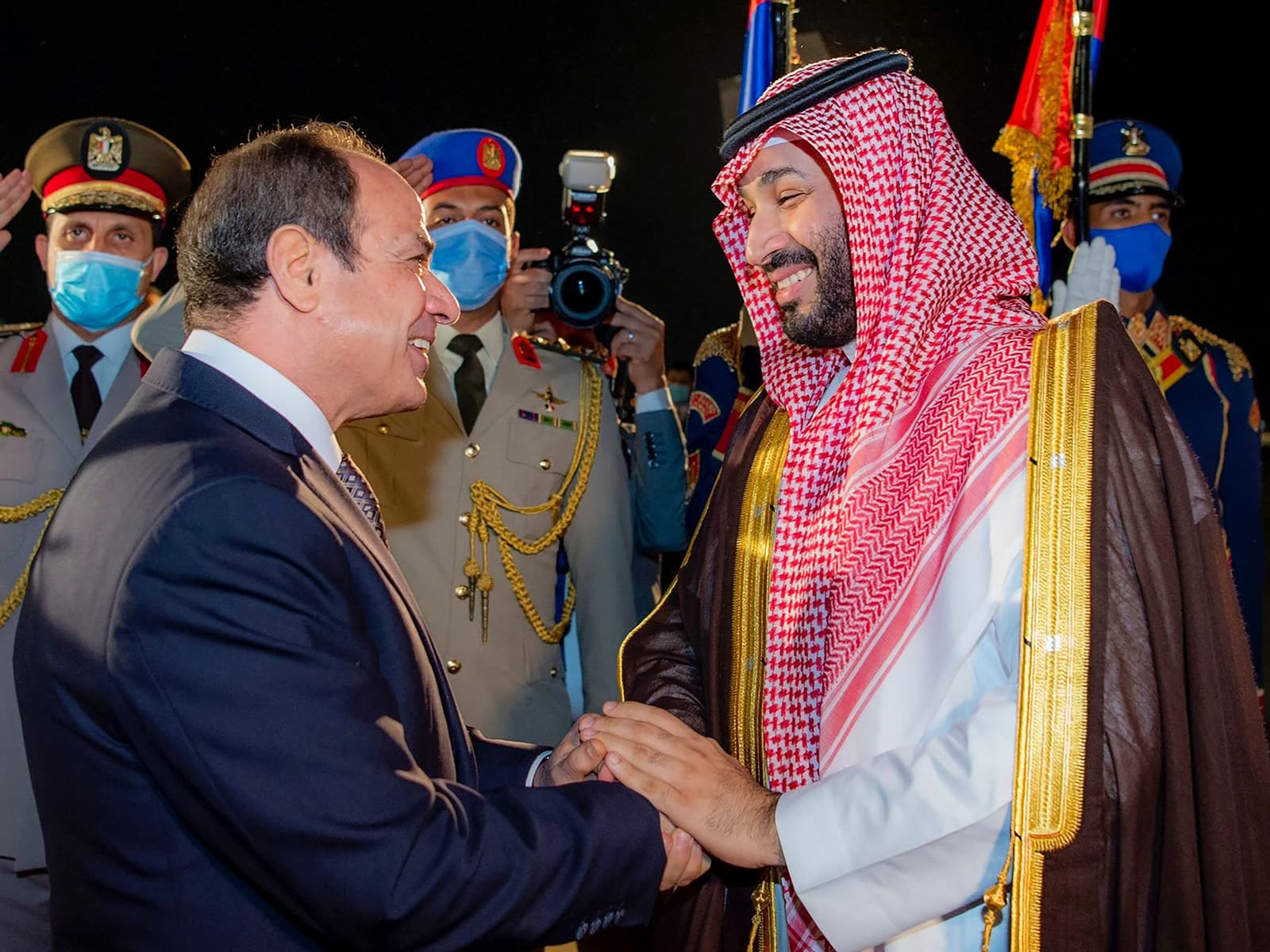
Cairo's pledge marks the most significant Arab-state commitment to Riyadh's defence since the current escalation began, and it arrives amid a broader diplomatic scramble. The announcement came a month after the Saudi crown prince's visit to Cairo, and it formalises what had until now been expressed largely in statements of solidarity.
For Egypt, whose army is one of the largest and most capable in the region, the move also carries domestic weight: deploying forces abroad is constitutionally sensitive and rare, which is why the government is going through the full parliamentary authorisation process. Whether Egyptian troops actually arrive in the kingdom — and in what role — will be the test of whether Sunday's pledge is a deterrent gesture or the start of a new military chapter.
Sources: Associated Press, Al Jazeera, The National, Saudi Gazette
Frequently Asked Questions
What did Egypt's National Defence Council decide?
It pledged "all necessary and possible forms of support" to Saudi Arabia to defend its security, stability, resources, territorial integrity and Islamic holy sites against Houthi attacks. The statement gave no specifics on the type of support.
Has Egypt authorised sending troops to Saudi Arabia?
Not yet. President el-Sisi asked parliament on Saturday for authorisation to deploy troops and military equipment abroad. Under Egypt's constitution this requires a two-thirds vote of MPs in an urgent closed session, and the vote has been extended by two days.
Why are the Houthis attacking Saudi Arabia?
The Houthis, backed by Iran, have launched missile and drone attacks against Saudi airports and oil infrastructure after the collapse of a truce with the Saudi-backed Yemeni government, amid the wider regional war involving Iran.
How many people have been killed in the escalation?
At least 19 people have been killed, according to the Associated Press, and thousands of flights have been disrupted by the attacks.
How did the Houthis react to Egypt's pledge?
Houthi officials warned Cairo against military intervention, signalling that they take the prospect of Egyptian forces joining the fight seriously.