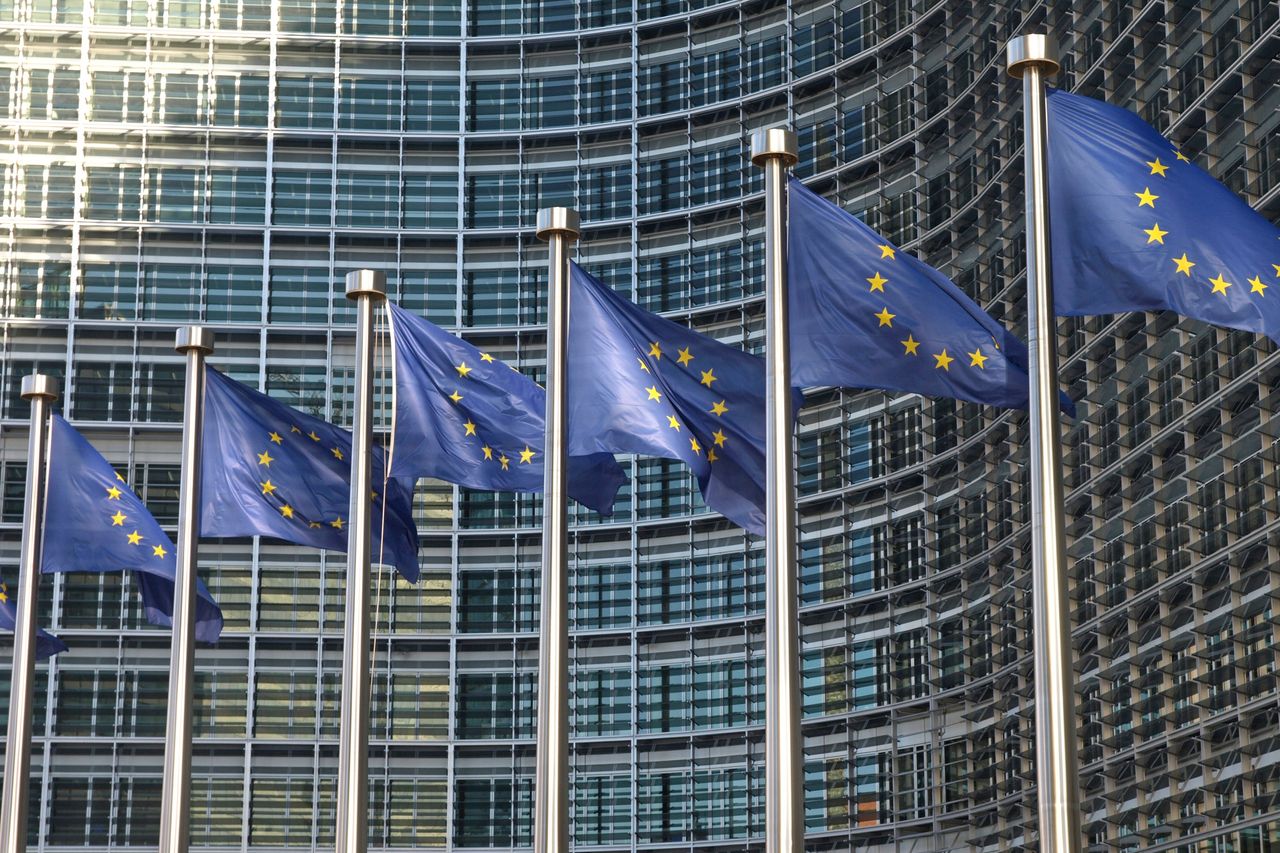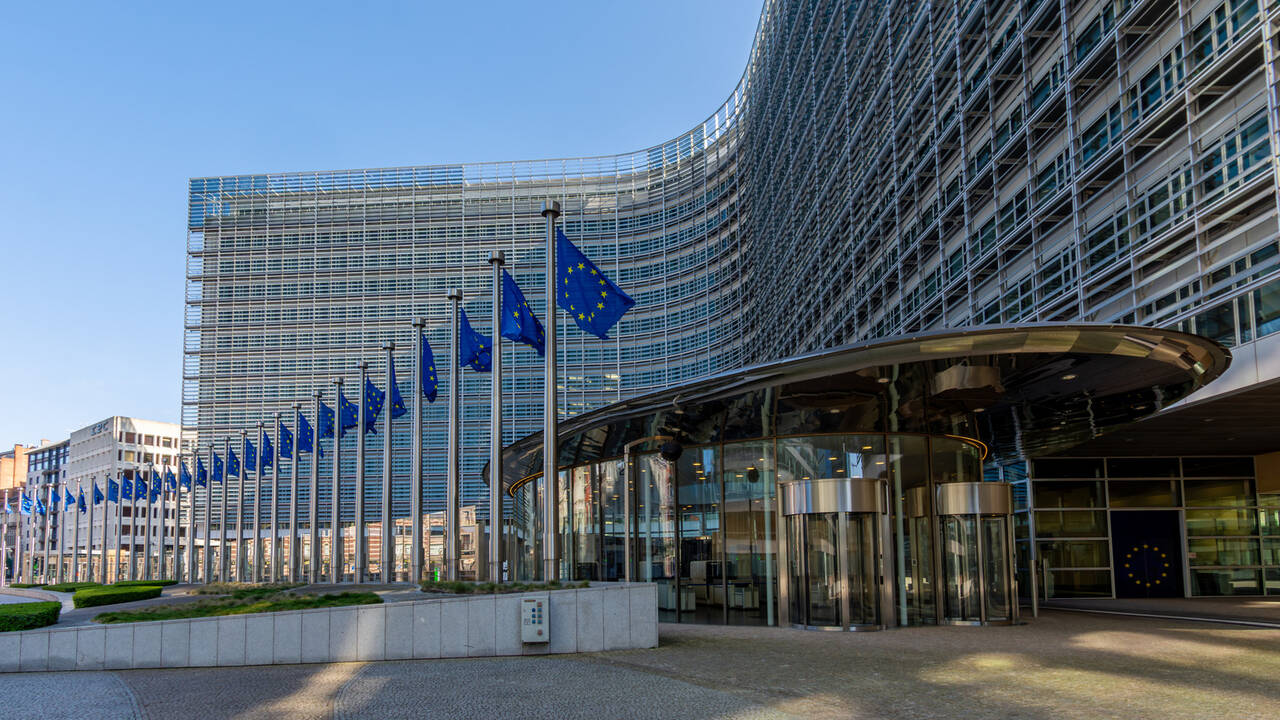
European Union foreign ministers agreed on Monday to revive a nearly 20-year-old cooperation agreement with Syria, the bloc's most ambitious step yet to normalise relations with Damascus less than two years after the fall of Bashar al-Assad. (Al Jazeera)
Meeting in Brussels, the ministers backed moving ahead with the deal first drawn up in 2008 and opening negotiations on an updated version, according to EU foreign policy chief Kaja Kallas. Diplomats will now work through the technical and legal details of an agreement designed to create a framework for free trade, political dialogue and broader cooperation between the 27-nation bloc and Syria.
"Syria needs investment and a successful transition," Kallas said after the meeting. "The aim is to give Europe and Syria a framework for trade, political dialogue and closer cooperation as soon as possible."
A deal frozen for almost two decades
The agreement at the centre of Monday's decision has a long and troubled history. The EU and Syria negotiated an association agreement in 2008, under Assad's rule, but it was never fully signed by either side. Concerns over the Assad government's human rights record stalled the deal, and the civil war that erupted in 2011 buried it entirely.
Reviving that text, rather than starting from scratch, is a deliberate choice. It gives negotiators a ready-made skeleton — trade preferences, political dialogue structures and cooperation chapters — that can be updated to reflect a Syria that no longer has an Assad government at its head. A discussion paper prepared by the EU's diplomatic service ahead of Monday's meeting described the move as one of Brussels' most ambitious efforts yet to normalise ties with the country.
The decision is the latest in a sequence of European moves toward Damascus since Assad's fall. The EU removed its crushing economic sanctions on Syria in 2025, aiming to help the country's recovery after almost 14 years of civil war, and at the start of 2026 Brussels announced a two-year funding package worth €620 million ($680 million).
Conditions attached
Kallas was clear that the new engagement comes with strings. The EU will set out fresh conditions for Syria to secure an updated deal, she said, including "clear conditionality regarding human rights" and a requirement that Damascus withdraw recognition of occupied Ukrainian and Georgian territories — recognition granted under Assad's regime.
The second condition is the more unusual one, and it reveals how Brussels sees the agreement. It is not only a bilateral trade and cooperation instrument; it is also a lever to pull Syria's foreign policy away from the positions it took under Assad and toward alignment with European positions on sovereignty and territorial integrity.
Whether Damascus accepts those terms, and how quickly, will determine the pace of the negotiations. No timetable has been announced, and the technical and legal work Kallas described could take months. But the political signal — unanimous backing from the EU's foreign ministers to proceed — is itself the news.
Why Brussels is moving now
Kallas offered a frank explanation for the urgency. "Everybody said that we need to engage with Syria because if we don't engage, then this vacuum will be filled by other players," she said.
That vacuum is real. Since Assad's fall, regional powers and rival blocs have competed for influence in Damascus, offering reconstruction money, security partnerships and political backing. The EU's calculation is that a country of Syria's size and strategic position cannot be left to others to shape — particularly when Europe has a direct stake in its stability.
That stake is partly about migration. Some 6.8 million Syrians — about a third of the population — fled abroad during the civil war, and more than one million have already returned home since Assad's fall, with millions more weighing whether to follow. Brussels hopes that investment, jobs and a functioning economy in Syria will encourage further returns and reduce the pressure on Europe's own asylum systems. Chronicle has previously reported on the EU's separate plan for migrant return hubs in Rwanda, another sign of how central migration has become to the bloc's foreign policy.
It is also about the region. Syria sits at the crossroads of the Middle East's rivalries, and a stable, internationally engaged Damascus is a European security interest. That logic has already driven visible diplomatic traffic: European Commission President Ursula von der Leyen met Syrian President Ahmed al-Sharaa at a summit in Nicosia, Cyprus, in April 2026, and France sent a warship on a first visit to Syria this month, as Chronicle reported.
What the deal would mean for Syria
For Damascus, the agreement offers something no amount of bilateral aid can match: a structured, long-term relationship with the world's largest single market. A free-trade framework would lower barriers for Syrian exports, attract European investment into reconstruction and give Syrian businesses predictable rules for dealing with European partners.
It would also amount to political rehabilitation. An association agreement is the EU's standard instrument for its closest neighbours and partners; signing one would mark Syria's formal return to the community of states that do business with Europe on institutional terms rather than through ad hoc arrangements.
That is why the human rights conditionality matters. The EU is offering integration in exchange for standards — and, implicitly, warning that the offer can be slowed or withdrawn if the new Syrian authorities fail to meet them. The test will come in the negotiations themselves, where diplomats must translate Monday's political agreement into binding commitments.
A country still rebuilding
The scale of what Syria must rebuild explains both the urgency and the caution. The 53-year rule of the Assad family ended on 8 December 2024, after an 11-day offensive that took Syria and the world by surprise. It halted a civil war that left lasting scars on the country and scattered a third of its people across the region and beyond.
Al-Sharaa, who led the offensive and now serves as president, has courted international partners since taking power, including a meeting with Saudi Crown Prince Mohammed bin Salman in Riyadh that Chronicle covered. The EU's decision is the most significant Western institutional endorsement of that outreach so far.
What happens next
EU diplomats will now begin the technical and legal work of finalising the agreement and opening talks on its updated version. The coming months will show whether the political will expressed in Brussels on Monday survives contact with the details — the human rights benchmarks, the territorial recognition question and the hard bargaining over trade terms.
For now, the direction of travel is clear. Less than two years after Assad's fall, the European Union has decided that Syria's future will be shaped with Europe at the table, not from the sidelines.
Frequently Asked Questions
What did the EU agree on Syria?
EU foreign ministers agreed on 16 November 2026 to revive the EU-Syria cooperation agreement first drawn up in 2008 and to open negotiations on an updated version, creating a framework for free trade, political dialogue and broader cooperation.
Why was the original 2008 deal never signed?
The association agreement negotiated in 2008 under Bashar al-Assad was never fully signed by either side, owing to concerns over the Assad government's human rights record. The civil war that began in 2011 then ended any prospect of completing it.
What conditions is the EU attaching to the new deal?
EU foreign policy chief Kaja Kallas said there would be clear conditionality on human rights, and that Syria would be required to withdraw its recognition of occupied Ukrainian and Georgian territories, which it recognised under Assad's regime.
Why is the EU engaging with Syria now?
Kallas said ministers agreed that if Europe does not engage, "this vacuum will be filled by other players". Brussels also has a direct interest in Syria's stability, including encouraging the return of Syrian refugees — more than one million have already gone home since Assad's fall — and supporting reconstruction after almost 14 years of civil war.
What has the EU already done for Syria since Assad's fall?
The EU removed its economic sanctions on Syria in 2025 and announced a two-year funding package worth €620 million ($680 million) at the start of 2026.