France's prime minister walked into the National Assembly on Tuesday carrying grim numbers. Sébastien Lecornu told deputies that 215 pupils and 85 education staff have been injured since the country's pupil revolt began — the worst toll among school personnel in decades — along with 715 police officers and gendarmes. Hours later, the government suspended secondary-school timetables across France, handing head teachers a national "period of internal democracy" to defuse a crisis spiralling out of control.
A revolt that started with crumbling classrooms
The unrest began on September 21 in the Paris region, rooted in grievances any education minister would recognise: dilapidated buildings, overcrowded classes and chronic teacher shortages. But what started as a school dispute has metastasised into street confrontations. By October 5, lessons had already been suspended in between 400 and 500 secondary schools; from October 7, the suspension went nationwide, on the advice of education minister Édouard Geffray, running at least until the weekend.
In Paris, the police prefecture put the capital on maximum alert after about 300 people tried to attack officers near Place de la Nation, the endpoint of a march that had set out from Place de la République. Riot units answered with tear gas.
Lecornu's counterattack: "a lie"
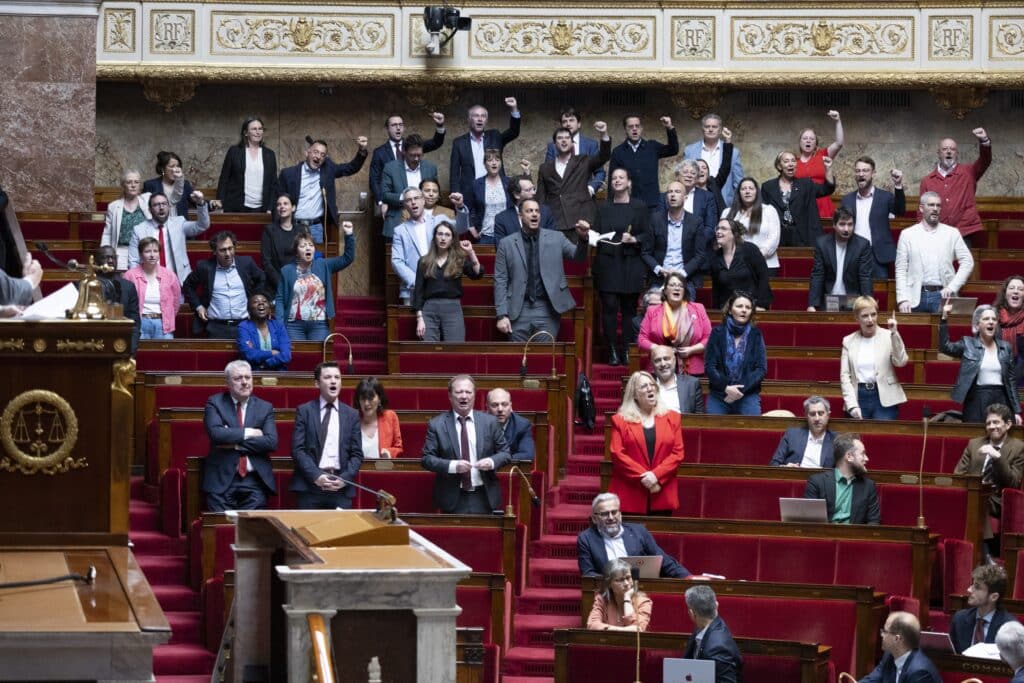
Addressing the Assembly, Lecornu went on the offensive. He blamed what he called an unacceptable trivialisation of violence — "lynching a teacher does not help replace teachers," he said — and flatly rejected the accusation that his government had ordered a crackdown. The phrase "police violence," he argued, implied political instructions for repression that did not exist. He called that suggestion a lie.
Then he turned his fire on La France Insoumise (LFI), the hard-left party led by Manuel Bompard and Jean-Luc Mélenchon, whose deputies have joined the marches saying they are there to watch for police excesses. Lecornu said the party's stance on violence was ambiguous — and suggested why: plunging the country into chaos before the 2027 presidential election formed part of its political project.
Why this matters
France has seen school protests before, but the injury toll Lecornu cited — and the government's decision to shut down secondary timetables nationwide — signals a crisis of a different order. With the 2027 presidential election on the horizon and a parliament already deeply fractured, the revolt has become a proxy battleground: the government frames it as a law-and-order emergency, the left frames it as state repression, and 215 injured pupils sit at the centre of a narrative war neither side is winning.
Frequently Asked Questions
What did Lecornu announce to the National Assembly?
He reported that 215 pupils, 85 education staff and 715 police officers and gendarmes have been injured since the protests began; rejected claims of a government-ordered crackdown as a lie; and accused La France Insoumise of ambiguity toward violence for political ends ahead of the 2027 election.
Why are French schools suspending lessons?
Secondary-school timetables were suspended nationwide from October 7, on education minister Édouard Geffray's advice, to give head teachers time for a period of "internal democracy" in each school — effectively a cooling-off period as the revolt, which began September 21 over dilapidated buildings, overcrowded classes and teacher shortages, turned violent.
How bad is the violence?
According to the prime minister: 215 pupils and 85 school staff injured — the worst toll among school personnel in decades — plus 715 injured police and gendarmes. Paris was placed on maximum alert after around 300 people tried to attack officers near Place de la Nation.
What happens next?
The suspension runs at least until the weekend. The deeper question is whether the government's law-and-order framing can hold against a protest movement that now spans hundreds of schools — or whether the crisis becomes the defining domestic issue of the run-up to the 2027 presidential election.