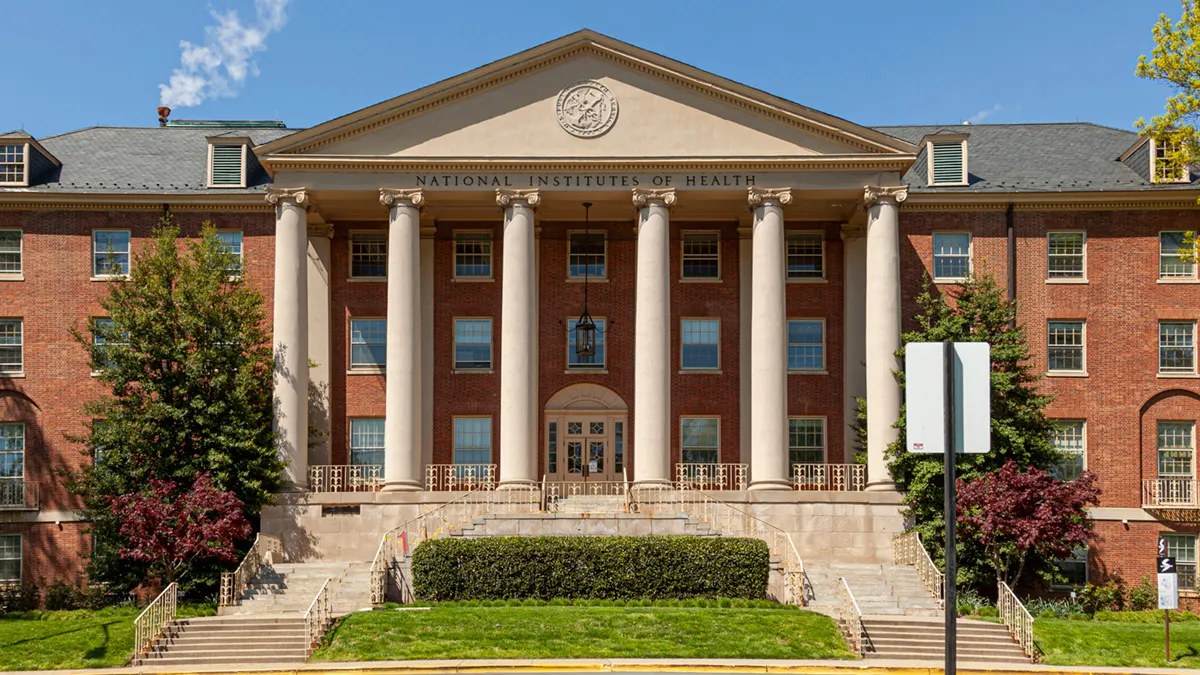
Guinea-Bissau has brought an end to a controversial American-funded vaccine trial that planned to randomise whether around 14,000 newborns received the hepatitis B birth dose. The study's lead researcher confirmed this week that it "will not move forward," days after judicial police raided the trial's facilities in the capital Bissau and seized a consignment of vaccines, and weeks after the government publicly denied ever approving the project.
The collapse of the $3.2 million study — backed by the US Centers for Disease Control and Prevention — closes one of the most fiercely contested episodes in recent global health research, pitting a group of Danish scientists against the World Health Organization, the government of Guinea-Bissau, and some of the world's leading vaccine experts.
Contents
- A police raid in Bissau
- The lead researcher concedes
- What the trial would have done
- The hypothesis behind the study
- Why the ethics world revolted
- A pattern of institutional tension
- Key takeaways
- Frequently Asked Questions
- Sources
- Chronicle related coverage
A police raid in Bissau
On Monday, Guinea-Bissau's judicial police carried out a search operation at the facilities of the Bandim Health Project in Bissau, the Danish-run research station that was to host the trial. Officers seized a batch of hepatitis B vaccines intended for the study, according to Africa Briefing.
The police stressed that the seizure was an investigative procedure to clarify the circumstances surrounding the vaccine consignment — not a finding that the vaccines themselves were unsafe. That distinction matters: the hepatitis B vaccine's safety record across decades of use is not in dispute. The question was always whether the research should have existed at all.
The raid followed a blunt intervention from Guinea-Bissau's health minister, Quinhin Nantote, who told journalists that the transitional government had never authorised the trial. "This is not even remotely true," he told The Guardian in Portuguese, rejecting claims that the project had been approved to proceed.
The lead researcher concedes
The final word on the study's fate came on Wednesday from Frederik Schaltz-Buchholzer, one of the Danish researchers leading the project. In a LinkedIn post, he wrote that it was "now clear" the study "will not move forward in Guinea-Bissau," adding that the team "was not given the necessary governmental approval."
His statement followed repeated objections from the country's health authorities and an international outcry that had been building since the WHO first challenged the trial's ethical justification earlier this year. The study had already been suspended pending further technical review, the WHO said in February.
What the trial would have done
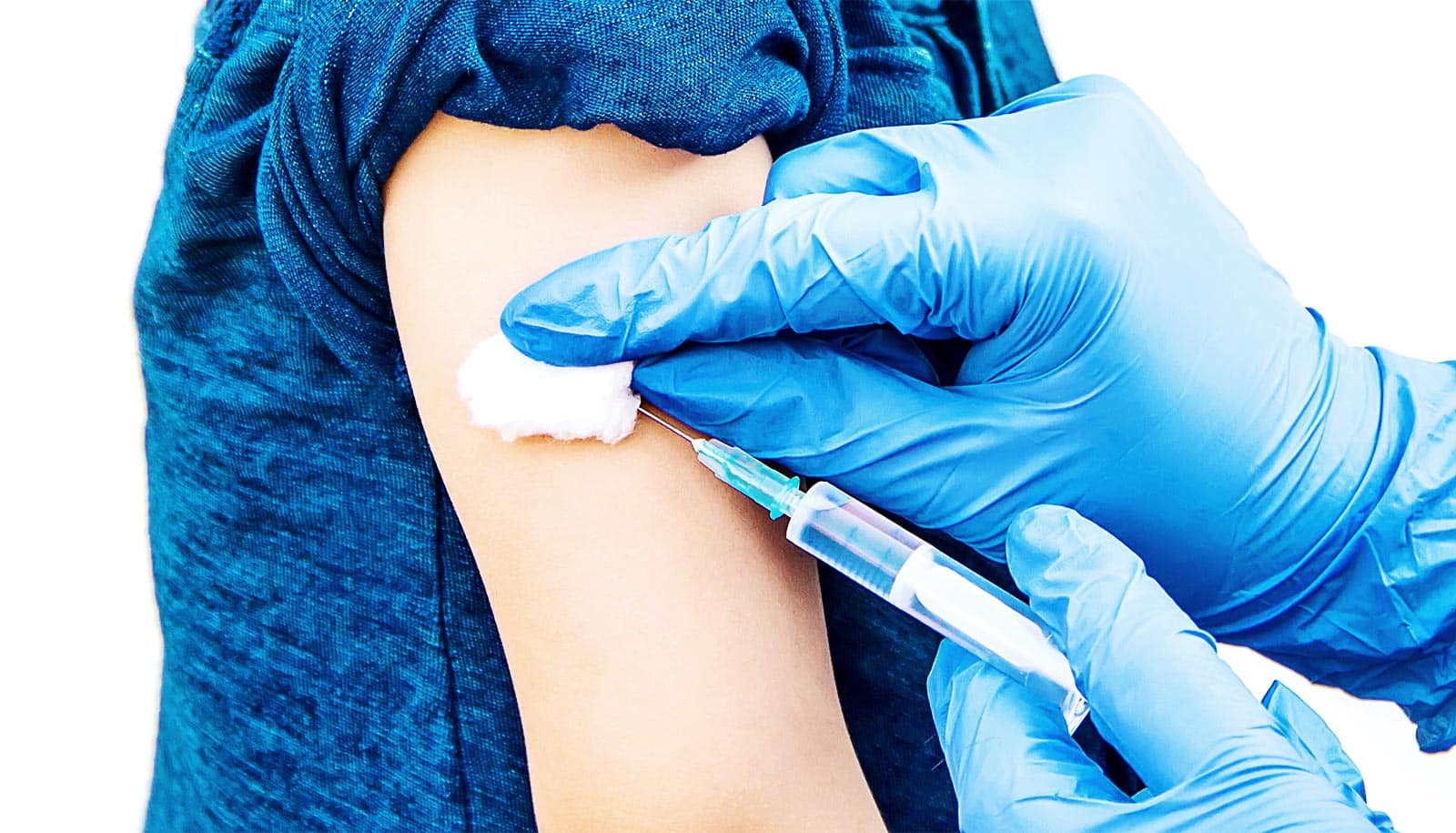
The proposed research would have enrolled roughly 14,000 newborns in one of the world's poorest countries. Half would have received the hepatitis B vaccine at birth, as the WHO recommends; the other half would have followed Guinea-Bissau's existing immunisation schedule, under which the first hepatitis B dose is given at around six weeks of age.
Funding was set at about $1.6 million from the CDC over five years, plus another $1.6 million from private partners including the Bill Ackman-backed Pershing Square Foundation and the Bluebell Foundation.
Crucially, the trial was not designed to test whether the hepatitis B vaccine works — its efficacy against infection is established. Instead, the researchers wanted to track broader outcomes: childhood illness, overall mortality and neurodevelopmental effects. The controversial part was the design itself: to measure those outcomes, half of the babies in the study would have gone without a birth dose that global health authorities consider standard care.
The hypothesis behind the study
The researchers, led by Schaltz-Buchholzer along with Christine Stabell Benn and Peter Aaby of the Bandim Health Project, were pursuing a long-standing hypothesis about the "non-specific effects" of vaccines. Their work suggests that live vaccines such as BCG (the tuberculosis vaccine) may reduce overall childhood mortality beyond what their target diseases explain — and that giving an additional inactivated vaccine like hepatitis B alongside BCG might dampen that benefit.
It is a hypothesis with a devoted following in a corner of epidemiology and a legion of sceptics elsewhere. The team's previous work has come under scrutiny from the scientific community, and critics argue that if the question deserves an answer, it should be answered where surveillance and healthcare infrastructure are strongest — not in a resource-constrained country where withholding a birth dose carries outsized risk.
Why the ethics world revolted
The trial drew some of the sharpest criticism in recent memory from vaccine scientists. Paul Offit, a vaccines expert at the Children's Hospital of Philadelphia, called the proposed study unethical. "The solution is clear here: take the money and vaccinate as many kids as you can," he said, arguing that denying parents the option of a birth dose outside the trial created a coercive dilemma around informed consent.
WHO chief Tedros Adhanom Ghebreyesus had warned in February that Guinea-Bissau has a high prevalence of hepatitis B, and that "withholding a birth dose could actually expose infants to a high chance of infection, and that means including a significant proportion of deaths." The WHO described the trial as unethical, and the Africa Centres for Disease Control and Prevention also expressed opposition to the research as originally designed.
The timing made the controversy sharper. Guinea-Bissau currently plans to offer a universal hepatitis B birth dose by 2028 — meaning the infrastructure the trial was meant to study was already on the country's own agenda. Offit argued it was vital to support Guinea-Bissau in rolling the immunisations out to all newborns as soon as possible, rather than experimenting on who gets them first.
A pattern of institutional tension
The trial's approval process itself became a scandal. A Danish research ethics committee was told that Guinea-Bissau's authorities had approved a revised study design — an account that influenced some members' votes to proceed. Guinea-Bissau's health minister then said the government had authorised no such thing, and local officials were reportedly surprised to see reports claiming approval. At least four members of the Danish committee resigned after the approval process was fast-tracked.
The study also became entangled in American politics. US Health Secretary Robert F. Kennedy Jr., who has a long history of vaccine scepticism, championed the trial — a fact that critics said lent it an air of ideological rather than scientific purpose.
For Guinea-Bissau, a former Portuguese colony with a fragile health system and a history of Western medical experiments conducted with too little regard for consent, the episode revived old questions about who gets to decide what research is acceptable, and on whose children. The government has now answered that question for this study: the decision rests with Guinea-Bissau, and the answer is no.
Key takeaways
- The trial is dead. Lead researcher Frederik Schaltz-Buchholzer confirmed the $3.2 million study "will not move forward in Guinea-Bissau" after the government denied approval.
- Police seized the vaccines. Judicial police raided the Bandim Health Project in Bissau, confiscating hepatitis B doses as part of an investigation — not because the vaccines were unsafe.
- The design was the problem. Half of roughly 14,000 newborns would have gone without a WHO-recommended birth dose; the vaccine's safety was never the controversy.
- Global health leaders condemned it. The WHO called the trial unethical, and experts including Paul Offit said the money should simply vaccinate as many children as possible.
- Guinea-Bissau asserts sovereignty over research. The health ministry insisted that any study involving children must meet national law and international ethical standards — a precedent with implications for future foreign-funded research.
Frequently Asked Questions
Why was the Guinea-Bissau vaccine trial halted?
The trial collapsed after Guinea-Bissau's government denied ever authorising it, judicial police raided the research facility and seized vaccines, and the lead researcher, Frederik Schaltz-Buchholzer, acknowledged that without governmental approval the study could not proceed.
Was the hepatitis B vaccine itself considered unsafe?
No. Health authorities and police stressed that the seizure was an investigative procedure, and the vaccine has a proven safety record across decades of use. The controversy was entirely about the trial's design and ethics, not the vaccine's safety or effectiveness.
What would the trial have done?
It planned to enrol about 14,000 newborns, giving half a hepatitis B birth dose and leaving the other half to follow Guinea-Bissau's standard schedule, where the first dose comes at around six weeks. Researchers wanted to study broader health outcomes such as overall mortality and development.
Who funded the study?
The US Centers for Disease Control and Prevention had allocated approximately $1.6 million, with another $1.6 million from private partners including the Pershing Square Foundation and the Bluebell Foundation, for a total budget of about $3.2 million.
Why did ethicists call it unethical?
The WHO, Africa CDC and leading vaccine experts argued that withholding a proven birth dose from newborns in a high-prevalence country exposed infants to serious and potentially lifelong harm, and that informed consent could not be genuinely obtained in such conditions.