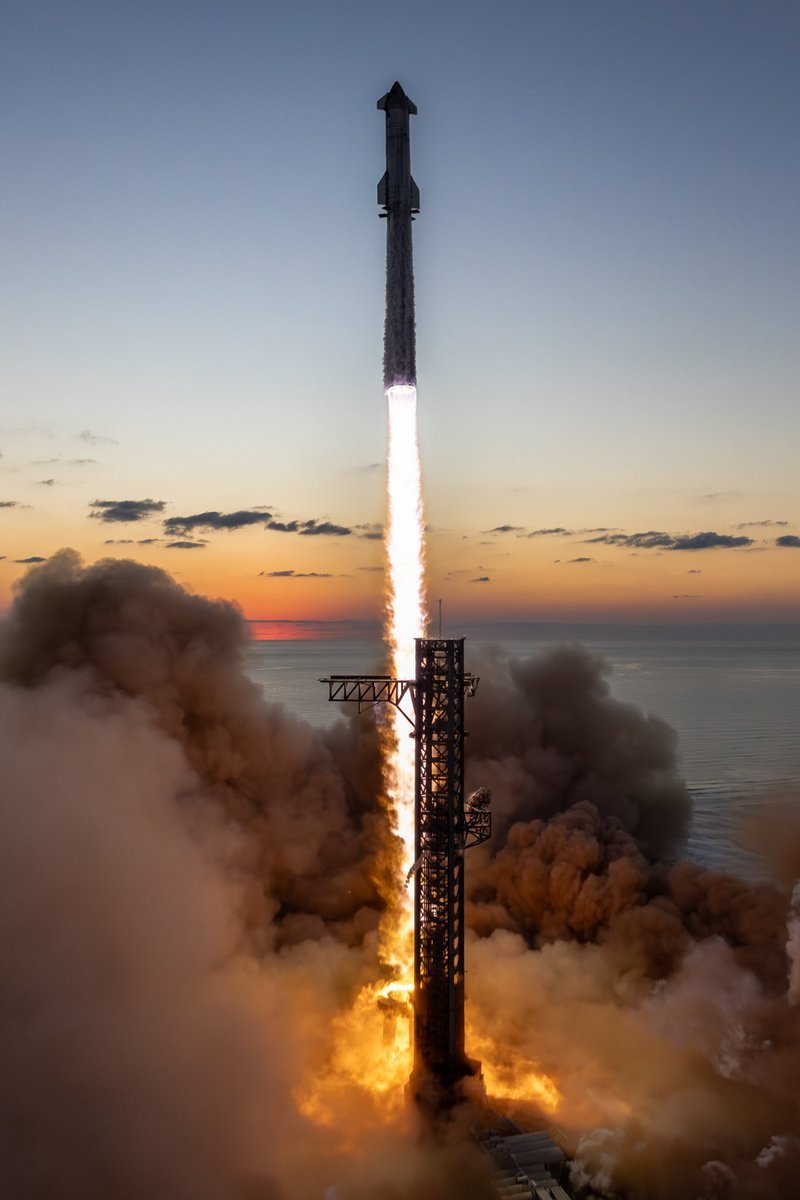
Washington — Elon Musk has pledged to give one of his own SpaceX shares to "every kid in America" next year, a gift that would be worth about $10.6 billion and rank among the largest acts of private generosity in US history. The announcement, made on his social platform X in the early hours of Monday, came two weeks before the November 3 midterm elections and one day after AI company Anthropic committed 5 per cent of its own shares to a new public-benefit fund.
"Next year, I will give one of my SpaceX shares to every kid in America," the world's richest man wrote. "This will be the first of many."
Musk offered no detail on which children would qualify, how the shares would be transferred, or what happens to children born after the cut-off. Those open questions have turned a headline figure into a policy puzzle — and they matter, because the details decide who actually gains.
Table of Contents
- The numbers behind the pledge
- Trump Accounts: the likely delivery vehicle
- Why now: Anthropic, the midterms, and a sceptical public
- What it costs Musk — and what it doesn't
- The catch: eligibility, custody and market risk
- Frequently Asked Questions
The numbers behind the pledge
With roughly 73 million children under 18 living in the United States, according to US Census Bureau data, and SpaceX shares closing at $146.03 on Friday, the arithmetic is simple: 73 million shares at about $146 each works out to roughly $10.66 billion. Every $1 move in the SpaceX share price would swing the total value of the gift by about $73 million.
SpaceX, the world's seventh-largest company by market value, began trading on the Nasdaq in June at an IPO price of $135 per share, raising a record sum. The stock has been volatile since — at one point this summer it fell 35.3 per cent from its peak in the days after listing. It was down 1.74 per cent in after-hours trading on Monday.
According to a filing with the US Securities and Exchange Commission in August, Musk owns 4.8 billion SpaceX shares outright, with unvested awards and stock options lifting his stake to about 6.4 billion shares, or 48.4 per cent of the company. Handing out 73 million shares would shave only about 1.5 per cent off his outright holding — and barely touch his control of the company. Because SpaceX has two classes of shares, his voting power, currently about 82 per cent, would fall by just 0.1 percentage points, Bloomberg Opinion calculated.
The gift would be the largest single contribution linked to the Trump Accounts programme to date.
Trump Accounts: the likely delivery vehicle
President Donald Trump publicly thanked Musk on Truth Social and claimed the shares would be distributed "through TRUMP ACCOUNTS", the tax-friendly investment accounts for children created under his signature tax and spending law last year. The accounts were designed to give every American child a financial head start, with the federal government seeding qualifying accounts and allowing family contributions to grow tax-advantaged.
If the transfer does go through the accounts, the machinery largely exists: millions of accounts have already been opened or auto-created for eligible children. A single share of stock per account would be an unusual but straightforward deposit — though brokers, custodians and the Treasury would all have to agree on the mechanics of fractional custody, trading restrictions and reporting.
It would also be politically resonant. Musk, who returned to Trump's orbit this year after their public falling-out in 2025, has quietly become the biggest known donor in the midterm cycle, giving more than $276 million to Republican groups since July. Tying his largesse to a signature Trump policy two weeks before voters go to the polls is, at minimum, good timing for the White House.
Why now: Anthropic, the midterms, and a sceptical public
The immediate trigger appears to be Anthropic. On Sunday, the AI company announced it would commit 5 per cent of its shares to a new "public benefit" fund — an entity within the company whose value would grow as its shares appreciate. Musk responded on X: "I recommend giving the shares directly to the public."
Hours later, he had outdone the offer in headline terms. But the two gestures differ in structure: Anthropic's fund pools equity for broad public benefit; Musk's pledge promises stock directly to individual children — a difference he explicitly framed as the better model.
The timing also lands in a hostile public mood toward big tech and AI. A new poll from the Associated Press-NORC Center for Public Affairs Research finds that 64 per cent of Americans think AI is developing "too fast", while only 8 per cent say it is moving "too slow". Last month, the heads of Anthropic, OpenAI and Musk's own xAI agreed that AI development needs to slow down — a consensus that followed an Anthropic researcher's resignation over safety warnings. A record of generosity toward ordinary families is useful currency in that climate.
And there is the corporate calendar: SpaceX reports quarterly earnings on Tuesday. A high-profile pledge of goodwill lands on investors' screens the day before the numbers do — though the market's first reaction was muted, with the stock slipping in after-hours trading.
What it costs Musk — and what it doesn't
For a man who became the world's first trillionaire when SpaceX went public in June — and who has since reclaimed trillionaire status after a historic $600 billion drawdown — $10.6 billion is roughly one per cent of his fortune. It is real money, but it does not dent his wealth or his grip on SpaceX.
The charitable structure matters for the tax picture too. If the shares are donated through qualifying vehicles, the gift could generate one of the largest charitable deductions in history — though no details have been disclosed. What is clear is that the pledge converts a sliver of concentrated equity wealth into broadly distributed ownership, at a moment when concentrated tech wealth is under political scrutiny.
The catch: eligibility, custody and market risk
For all the spectacle, the pledge's fine print is entirely blank. Musk has not said which children qualify — all under-18s, or only citizens, or only those with Trump Accounts? He has not said when "next year" means, how shares reach toddlers who cannot hold brokerage accounts, who covers the administrative cost, or whether recipients can sell immediately or must hold.
Those are not trivial questions. A single SpaceX share is worth about $146 today — but the stock has already swung from $135 to over $225 and back in four months. A gift denominated in volatile equity is worth less as a nest egg than its headline number suggests, and most for financial-literacy advocates: children would own an asset whose value they cannot influence and whose risks they may not understand.
There is also the matter of precedent. Large-scale equity giveaways to minors have a chequered history of administrative friction — unclaimed accounts, escheated assets, fraud targeting unsophisticated holders. If this becomes "the first of many", as Musk promised, the plumbing will matter more than the announcement.
For now, what exists is a post on X, a presidential thank-you, and 73 million hypothetical shareholders waiting to learn whether the gift is real — and whether it will be worth $146, $100, or $200 when it arrives.
Frequently Asked Questions
How much is Musk's SpaceX share pledge worth?
About $10.6 billion. With roughly 73 million children under 18 in the United States and SpaceX shares closing at $146.03, one share per child works out to approximately $10.66 billion, according to reports on the announcement.
What are the Trump Accounts?
Trump Accounts are tax-friendly investment accounts for children created under President Trump's signature tax and spending law last year. The programme seeds accounts for qualifying children so families can build long-term savings with tax advantages. Trump says Musk's SpaceX shares will be distributed through these accounts.
Why did Musk make this pledge now?
The announcement followed Anthropic's Sunday commitment of 5 per cent of its shares to a public-benefit fund — Musk replied that he prefers giving shares directly to the public. It also lands two weeks before the November 3 midterm elections, in which he is the biggest known donor, and amid growing public wariness of AI and big tech.
Does giving away $10 billion affect Musk's control of SpaceX?
Barely. The 73 million shares represent about 1.5 per cent of his outright holding, and because SpaceX has dual-class shares, his voting power of about 82 per cent would fall by only 0.1 percentage points, per a Bloomberg Opinion calculation.
When will children receive the shares?
Musk said "next year" but gave no date, no eligibility criteria and no delivery mechanism. The details — who qualifies, how shares are transferred, and whether children can sell them — have not been announced.