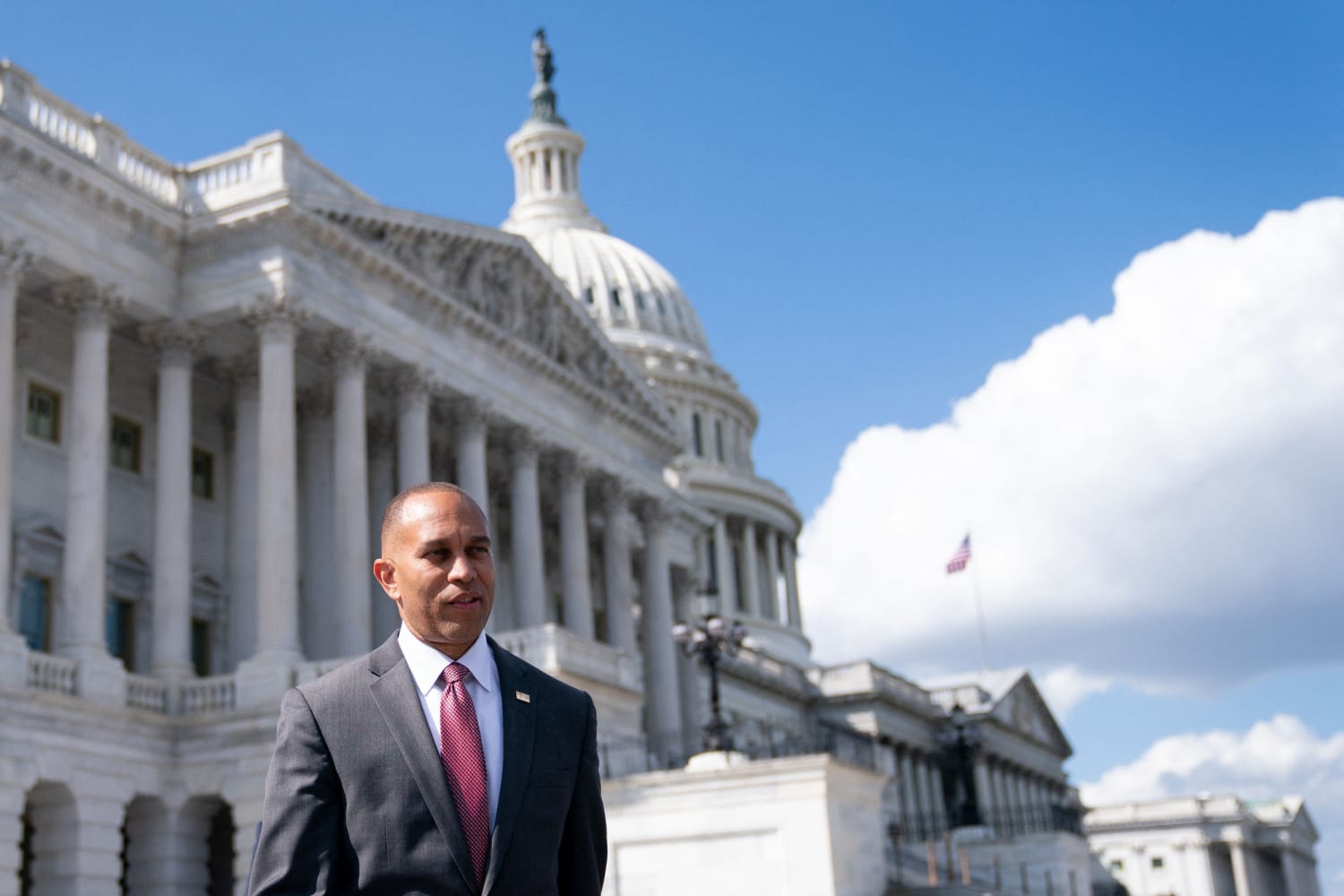
House Democrats on Wednesday nominated Hakeem Jeffries for speaker of the US House of Representatives, putting the 56-year-old New Yorker on course to become the first Black speaker in American history. Al Jazeera
In a closed-door, secret-ballot vote, Jeffries won 251 of 262 votes cast, with 11 Democrats voting against him, according to people familiar with the count. He faced no declared challenger. The nomination comes roughly two weeks after Democrats swept the midterm elections, reclaiming control of both chambers of Congress — and it all but guarantees Jeffries the gavel when the new Congress is sworn in on January 3. USA Today
The formal election still lies ahead, and it is the step most coverage has treated as a formality without explaining why. The speaker is chosen by the full House, not by one party, and a candidate needs 218 votes on the floor. Democrats will hold at least 257 seats in the new Congress — a majority large enough that Jeffries could lose dozens of votes from his own side and still win. That arithmetic is why even his critics expect him to survive the January 3 vote easily. Reuters
A milestone two centuries in the making
The historic weight of the moment was not lost on the room. Ahead of the vote, Representative Jim Clyburn of South Carolina — one of the most senior members of the Congressional Black Caucus and a longtime Jeffries ally — delivered a speech colleagues described as powerful. "Hakeem is interested in headways and not headlines," Clyburn told the caucus, according to two people present. Afterwards, he called it "a very surreal moment," saying he was thinking of the late civil-rights leader Representative John Lewis and of Lewis's late wife, Lillian, as well as his own late wife, Emily. CNN The Wall Street Journal
Jeffries would replace Republican Mike Johnson as speaker, becoming the second person in the line of presidential succession. House Republicans last week nominated Judiciary Committee Chairman Jim Jordan as their candidate, but with Democrats holding the majority, Jordan's nomination is symbolic.
The milestone caps a steady climb. Jeffries, a Brooklyn native first elected to Congress in 2012, became the first Black lawmaker to lead a party in either chamber of Congress when Democrats chose him to succeed Nancy Pelosi as their House leader in 2022. He had already served as one of the House prosecutors during President Donald Trump's first impeachment trial in the Senate in 2020. Known for a measured manner, sharp rhetoric and a fondness for quoting hip-hop artists, he has led House Democrats since 2023.
He asked for a recorded vote
One detail of the day reveals something about how Jeffries intends to lead. Some allies had hoped he would be chosen by acclamation — without a recorded vote — as Pelosi was before becoming the first woman speaker in 2007. Jeffries instead requested a recorded vote, telling reporters on the eve of the ballot that every Democrat should have the opportunity to weigh his experience, record and vision, citing the precedent set when the party last won control of the House in 2018.
It was a deliberate choice, and it carried a small cost: the 11 votes against him are now on the record. But the move also answered, in advance, the criticism that his elevation was a coronation. Roughly two weeks after the midterms, some newly elected progressives had clamoured for new leadership, and the far left of the caucus has been open about wanting a different direction. In the end, only 11 of 262 Democrats voted against him — a margin that suggests the dissent is real but contained.
That tension is the story beneath the history. Winning an election is one thing; agreeing on how to wield power is another. Jeffries must now hold together a caucus that has grown in both directions at once — more left-wing members and more centrists — after a midterm sweep that gave Democrats their largest House majority in years.
What the majority will do with its power
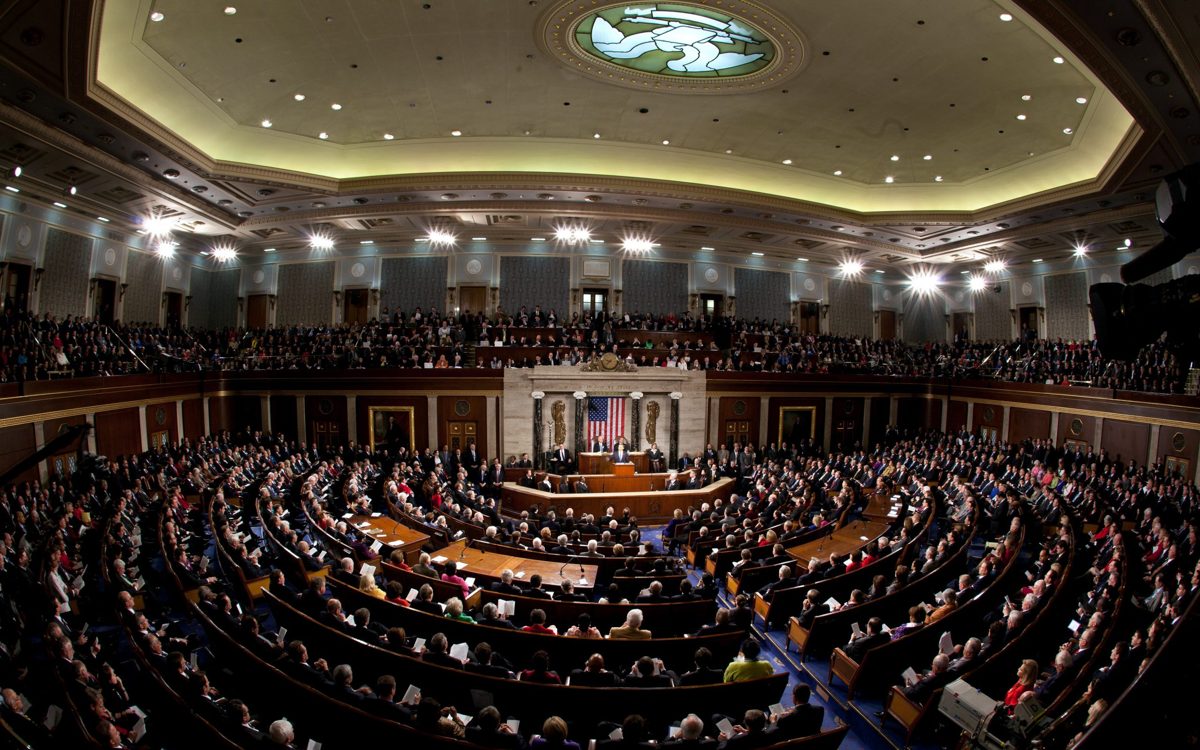
Here is the second gap in much of the day's coverage: the reporting has focused on the vote and the milestone, and said far less about what a Jeffries speakership would actually do. The speaker controls the House floor agenda, decides which bills get a vote, and steers committee investigations — powers that matter enormously in the final two years of Trump's term.
Democrats have signalled they intend to use that power on two fronts: reversing Republican policies where they can, and subjecting the Trump administration to sustained oversight. The party's midterm victory was, in large part, a verdict on the administration, and the new majority arrives with a mandate to hold it to account. Read our report on the Democrats' midterm gains in Alaska
That agenda will play out against a crowded diplomatic calendar. Trump is in Asia this week, where he is pressing for a renewed meeting with North Korean leader Kim Jong Un and preparing for a first-ever trilateral summit with Xi Jinping and Vladimir Putin. Read our report on Trump's Asia trip A Democratic House with subpoena power changes the domestic politics around every one of those foreign-policy moves — and around the administration's handling of the war with Iran, which has dominated Washington in recent days.
For Jeffries, the immediate task is narrower: keep the caucus united through January 3, when the formal vote takes place, and then convert a historic first into a working majority. The nomination was the easy part. Governing with a broad, fractious majority — and with a president of the opposite party in the White House — is where the speakership is actually tested.
Frequently Asked Questions
Who is Hakeem Jeffries?
Hakeem Jeffries is a 56-year-old Democratic congressman from New York who has led House Democrats since 2023. First elected to Congress in 2012, he became the first Black lawmaker to lead a party in either chamber of Congress when he succeeded Nancy Pelosi as House Democratic leader in 2022. He previously served as a House prosecutor during Donald Trump's first impeachment trial in 2020.
When will Jeffries become speaker?
The formal vote by the full House takes place on January 3, when the new Congress convenes. A candidate needs 218 votes to win. With Democrats holding at least 257 seats, Jeffries is expected to win easily.
How did the nomination vote go?
In a closed-door, secret-ballot vote on Wednesday, November 18, Jeffries won 251 of 262 votes cast, with 11 Democrats voting against him. He faced no declared challenger.
Why is this nomination historic?
If elected on January 3, Jeffries will become the first Black speaker of the US House of Representatives in the country's history, and the second person in the line of presidential succession.
Who did Republicans nominate for speaker?
House Republicans nominated Judiciary Committee Chairman Jim Jordan as their candidate last week. With Democrats holding the majority, however, Jordan is not expected to win the floor vote.
What will Democrats do with their House majority?
Democrats have signalled they will use the majority to reverse Republican policies where possible and to subject the Trump administration to sustained oversight during the final two years of his term.