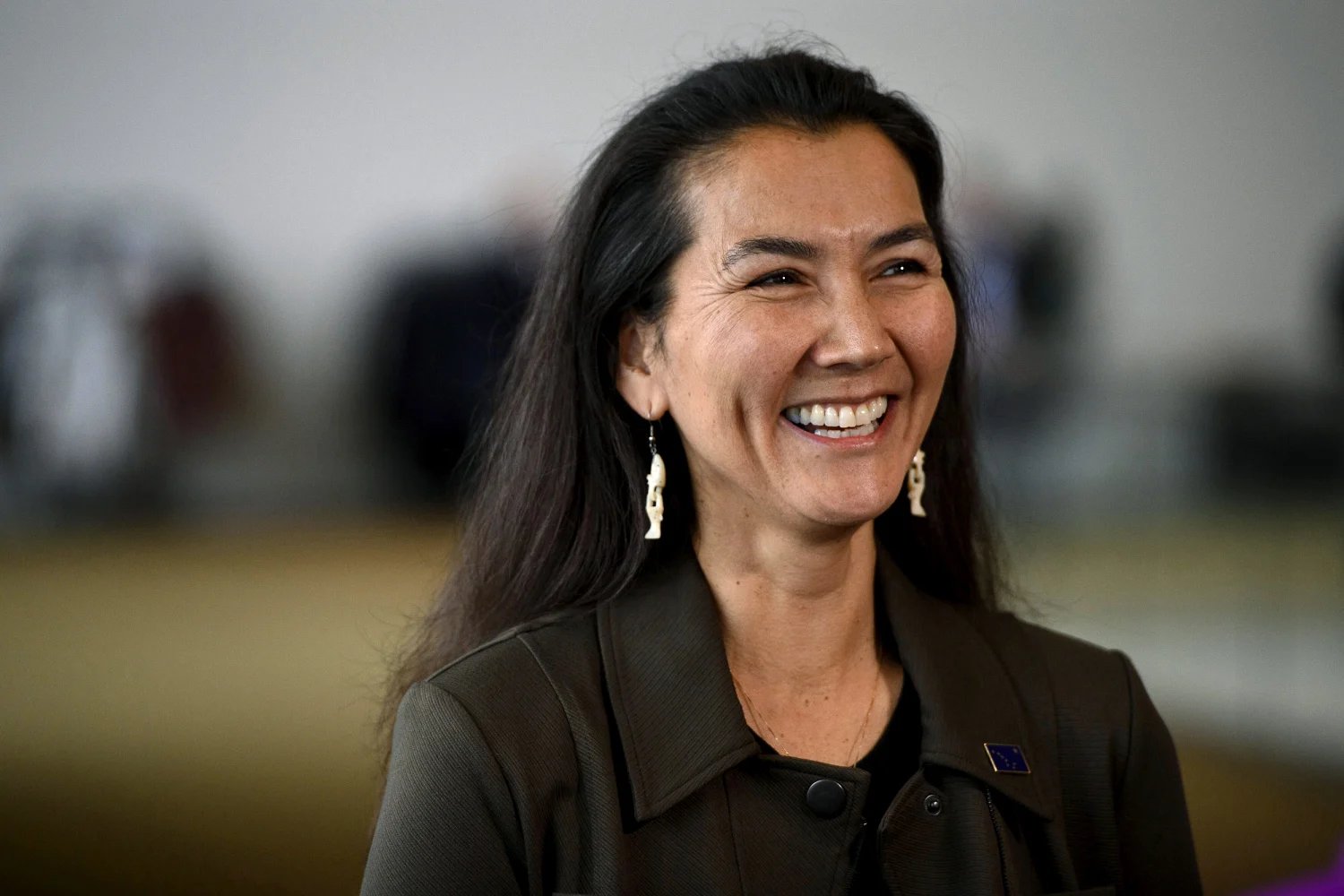
Democrat Mary Peltola defeated two-term Republican Senator Dan Sullivan in Alaska on Tuesday, November 17, in the final Senate race of the 2026 midterm elections to be called — a victory that gives Democrats a commanding 56–44 majority in the chamber and makes Peltola the first Alaska Native ever elected to the United States Senate. (Reuters)
Peltola won just over 50 percent of first-choice ballots against Sullivan's 46 percent, according to projections by U.S. media, clearing the outright majority Alaska's ranked-choice system requires and making any second-round tabulation unnecessary. The Associated Press called the race on Tuesday evening, more than two weeks after Election Day, once updated counts showed her lead could no longer be overtaken.
A ninth flip — the biggest midterm Senate gain since 1958
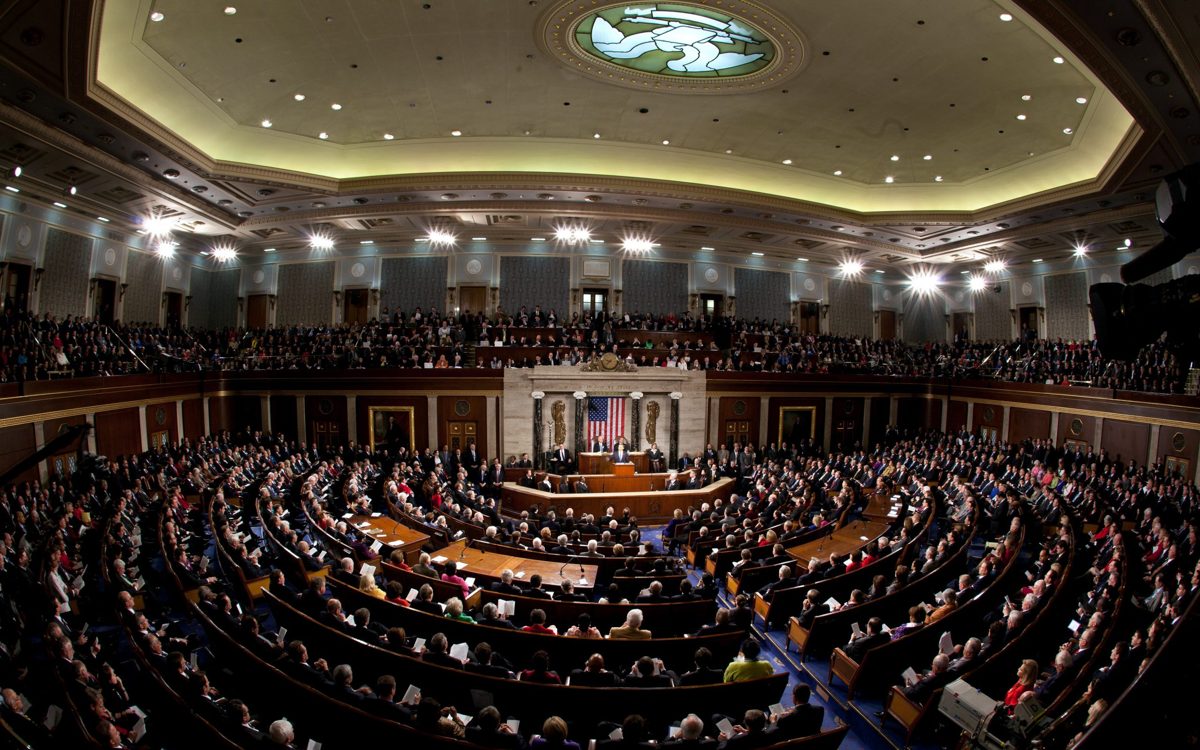
Peltola's victory was the ninth Republican-held Senate seat Democrats flipped in this cycle, their largest midterm haul since 1958, when the party captured 15 seats during Dwight Eisenhower's second term. Republicans entered the midterms with a 53–47 majority; Democrats now emerge with a 56–44 margin when the new Congress convenes in January. (Al Jazeera)
The scale of the swing is striking because Alaska is no swing state. President Donald Trump carried it in each of the last three presidential elections, winning it by 13 percentage points in 2024. Peltola is the first Democrat to win a Senate race in Alaska since 2008, the first Democrat to hold the seat since Mark Begich lost re-election in 2014, and only the fifth Democrat since statehood to represent Alaska in the Senate.
Democrats also reclaimed the House of Representatives in the midterms, gaining 42 seats, leaving the party in control of both chambers when the new Congress begins — a result that reshapes the balance of power in Washington for the second half of Trump's term. (The Times of India)
The "two Sullivans" saga ends in a courtroom defeat for the Justice Department
No Senate race this year attracted more controversy. Alaska's ballot carried not one but two Sullivans: the incumbent Dan S. Sullivan and Daniel J. Sullivan, an unaffiliated retired teacher from the small town of Petersburg who registered as a Republican in May before switching to independent. The near-identical names became the centre of a legal and political storm. (Read more)
In October, the Justice Department sued in federal court in Anchorage to block Alaska from certifying the results if Sullivan lost by a narrow margin, arguing the second Sullivan could confuse voters who meant to back the senator. Trump acknowledged that he personally ordered the lawsuit, and after The New York Times reported allegations that members of Peltola's campaign had helped recruit the namesake candidate, the president called for her prosecution.
A federal judge rejected the administration's suit, and the final count rendered the argument moot: Peltola's margin of more than 50 percent of first-choice votes was far beyond anything a handful of confused ballots could explain. She had already finished first in the open primary with 49.5 percent of the vote to Sullivan's 41.4 percent, and as of Sunday she held more votes than the other three candidates combined.
What a 56–44 majority actually changes
The headline number understates what the result means in practice. A 56-seat majority gives Democrats comfortable control of Senate committees, the power to confirm or block judicial nominees and executive appointments, and a buffer against defections on close votes — a cushion Republicans, at 53–47, never enjoyed. It also limits the leverage of any single senator to hold legislation hostage, a recurring feature of narrow majorities in recent years.
For the White House, the arithmetic is harsher still. With the House also in Democratic hands, the administration faces two years in which its legislative agenda — and any attempt to reshape federal agencies, the courts or election rules — must pass through a Congress controlled by the opposition. The midterms have become, in effect, a referendum result with institutional teeth.
Alaska turned blue twice in one night
The Senate race was not the only shock in Alaska. Voters also elected a Democrat as governor for the first time since 1998, with former state lawmaker Jonathan Kreiss-Tomkins defeating three Republicans, including one endorsed by Trump. The double flip — Senate and governor in a state Trump won by double digits — suggests the result was about more than one candidate's appeal.
One race in Alaska remains uncalled. The Associated Press has not yet projected the U.S. House contest, in which independent candidate Bill Hill is challenging Republican Representative Nick Begich. Whatever its outcome, it will not change the national balance: Democrats have already secured the House majority. (The Straits Times)
Who is Mary Peltola?
Peltola, 53, was born in Anchorage in 1973 and is from Bethel, a western Alaska hub of about 7,000 people that is not connected to the state's limited road system. A former tribal judge, she represented Alaska's at-large district in the U.S. House from August 2022 to January 2025, becoming the first Alaska Native to serve in Congress. She will now become the first Alaska Native to serve in the Senate.
Her campaign leaned heavily on that biography — a Yup'ik woman from rural Alaska who built her career in tribal courts and the state legislature — and on a record of working across party lines in a state where independence is a point of pride. Sullivan, a two-term senator and former Marine, had the backing of the president and the national Republican apparatus. It was not enough.
What happens next?
The Alaska race will likely face legal challenges, and the certification process now proceeds after the court rejected the Justice Department's attempt to block it. Peltola is due to take her seat when the new Congress convenes in January, alongside a Democratic majority that will spend its first weeks organising committees and setting the terms of a confrontation with the White House that the midterms made inevitable.
For Republicans, the post-mortem will be uncomfortable. They lost nine Senate seats in a cycle that began with them defending a narrow majority — and they lost the last of them in a state their president won by 13 points. For Democrats, the question is what they do with a majority larger than any they have held in the Senate in more than a decade. (Read more)
Frequently Asked Questions
Who won the Alaska Senate race in 2026?
Democrat Mary Peltola defeated Republican incumbent Dan Sullivan, winning just over 50 percent of first-choice ballots. The Associated Press called the race on Tuesday, November 17, 2026.
Why is Mary Peltola's victory historic?
Peltola is the first Alaska Native ever elected to the U.S. Senate, the first Democrat to win a Senate race in Alaska since 2008, and only the fifth Democrat since statehood to represent Alaska in the Senate.
What is the new balance of power in the U.S. Senate?
Democrats will hold a 56–44 majority when the new Congress begins in January 2027, after flipping nine Republican-held seats — their biggest midterm Senate gain since 1958. Democrats also retook the House of Representatives.
What was the "two Sullivans" controversy?
The ballot included Daniel J. Sullivan, an unaffiliated candidate whose name nearly matched incumbent Dan S. Sullivan. The Justice Department sued to block certification if the incumbent lost, arguing voters could be confused; a federal judge rejected the suit, and Peltola's outright majority made the dispute moot.
Did Democrats win anything else in Alaska?
Yes. Alaska also elected a Democrat as governor for the first time since 1998, with Jonathan Kreiss-Tomkins defeating three Republicans, including one endorsed by Trump. The state's U.S. House race remains uncalled.