Iran has delivered its formal response to the United States and is now waiting for Washington to decide, its chief negotiator said on Wednesday — declaring that a deal to end the eight-month war is possible, but only if America honours what was already agreed and stops making what Tehran calls excessive demands. Mohammad Bagher Ghalibaf, Iran's parliament speaker and head of its negotiating team, told Al Jazeera that the message had been conveyed through Qatar, which is acting as mediator, and that "the ball is now in the American court."
"If America limits itself to what has been agreed upon without making excessive demands or engaging in behaviour that breeds distrust, then, naturally, reaching an agreement is possible," Ghalibaf said, according to The Economic Times. He added that Tehran had given "a clear and transparent response" setting out its demands, and had so far received no official reply from Washington.
Seven conditions, and a strait that will not go back
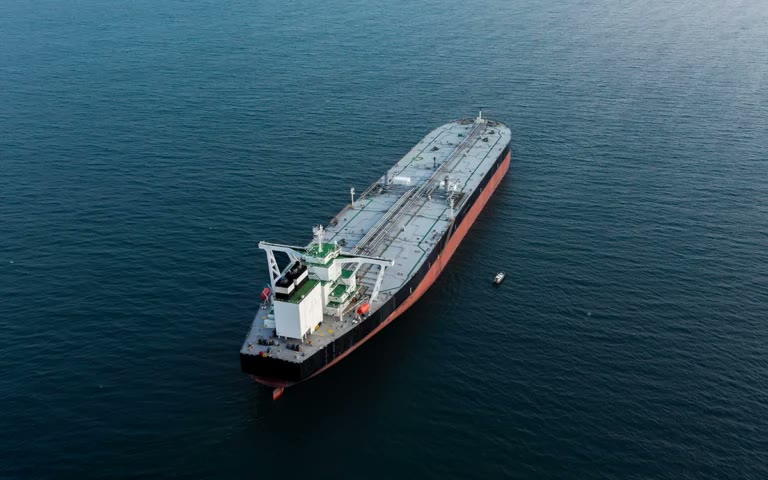
At the heart of the standoff is the Strait of Hormuz, the narrow waterway through which a large share of the world's seaborne oil passes. Ghalibaf said the strait "will never return" to its pre-war status following the US-Israeli war on Iran, and that Tehran and Oman have reached an understanding on overseeing the waterway under a new arrangement. That understanding, he said, forms part of Iran's seven-point proposal to Washington.
The conditions, as Ghalibaf set them out, include lifting the US naval blockade and oil sanctions, releasing frozen Iranian funds, ending hostilities on all fronts — including those involving the so-called "resistance front" — formally declaring an end to the war rather than a mere ceasefire, and refraining from interference in Iran's internal affairs. He said the demands were part of a 14-point memorandum of understanding signed in June, and that implementing them was necessary before Iran could enter substantive negotiations.
The interview marks a shift in tone from Tehran's earlier position, when it said the strait would stay closed until the conditions were met. That earlier stance was covered when Ghalibaf first laid out the seven conditions in October. Now, for the first time, Iran is describing a concrete mechanism — agreed with Oman — for managing transit through the strait in line with international law, and discussing it in indirect negotiations with Washington. Iran's foreign minister had earlier said talks with Qatari mediators had produced a plan under which navigation could be restored within two days, and mediators have since compressed the proposed implementation window from seven days to two.
Trust is the main obstacle, Ghalibaf says
Ghalibaf identified the lack of trust between the two countries as the principal obstacle to a diplomatic breakthrough. "What stands in the way of an agreement is our lack of trust in the United States," he said, pointing to Washington's record of hostility toward Iran and what he described as its repeated failure to honour commitments.
He rejected US criticism that Iran's demands were unreasonable, saying they concerned basic rights rather than additional concessions, and dismissed reports of changes to Iran's negotiating team, confirming that he remains in charge of the six-member delegation overseen by Iran's Supreme National Security Council, including Foreign Minister Abbas Araghchi. Qatar and Pakistan are acting as the main mediators, he said, and US officials had even approached Russian President Vladimir Putin during a visit to Moscow, asking him to speak with Iran to facilitate direct negotiations.
The conflict, which began after US-Israeli strikes killed Iran's former Supreme Leader Ali Khamenei on 28 February, has now lasted eight months. Ghalibaf said Tehran was determined to end the state of "no war, no peace" and establish sustainable deterrence — a goal he stressed did not necessarily have to be achieved through negotiations.
A warning alongside the offer
The diplomatic opening came with a clear warning. "We are not warmongers, we are not seeking war, and we do not want the war to continue," Ghalibaf said — but he added that if the United States or Israel started a war, Iran would confront them both and respond to any attack. Iran's armed forces, he said, are fully ready for renewed fighting.
The message is, in effect, a deadline without a date: Tehran has put its terms on the table, told Washington it has two days' worth of implementation to discuss, and is waiting for an answer. Whether the US responds — and whether it accepts the June memorandum as the basis for talks or presses for more — will determine whether the Hormuz standoff ends at the negotiating table or returns to the battlefield.
Frequently Asked Questions
What did Iran's chief negotiator say about a deal with the US?
Mohammad Bagher Ghalibaf said Iran has delivered a clear response to Washington through Qatari mediators and is awaiting an official reply. He said a deal to end the war is possible if the US sticks to what was already agreed and refrains from excessive demands, adding that "the ball is now in the American court."
What are Iran's seven conditions for talks?
They include lifting the US naval blockade and oil sanctions, releasing frozen Iranian funds, ending hostilities on all fronts, formally declaring an end to the war rather than a ceasefire, and refraining from interference in Iran's internal affairs. Ghalibaf said the conditions were part of a 14-point memorandum of understanding signed in June.
Will the Strait of Hormuz return to how it was before the war?
No, according to Ghalibaf, who said the strait "will never return" to its pre-war status. He said Iran and Oman have reached an understanding on a new arrangement for overseeing the waterway, which is being discussed in indirect negotiations with Washington.
What is the main obstacle to an agreement?
Ghalibaf said the main obstacle is a lack of trust, pointing to Washington's record of hostility and what he described as its repeated failure to honour commitments. He also warned that Iran would respond firmly if the US or Israel launched another attack.