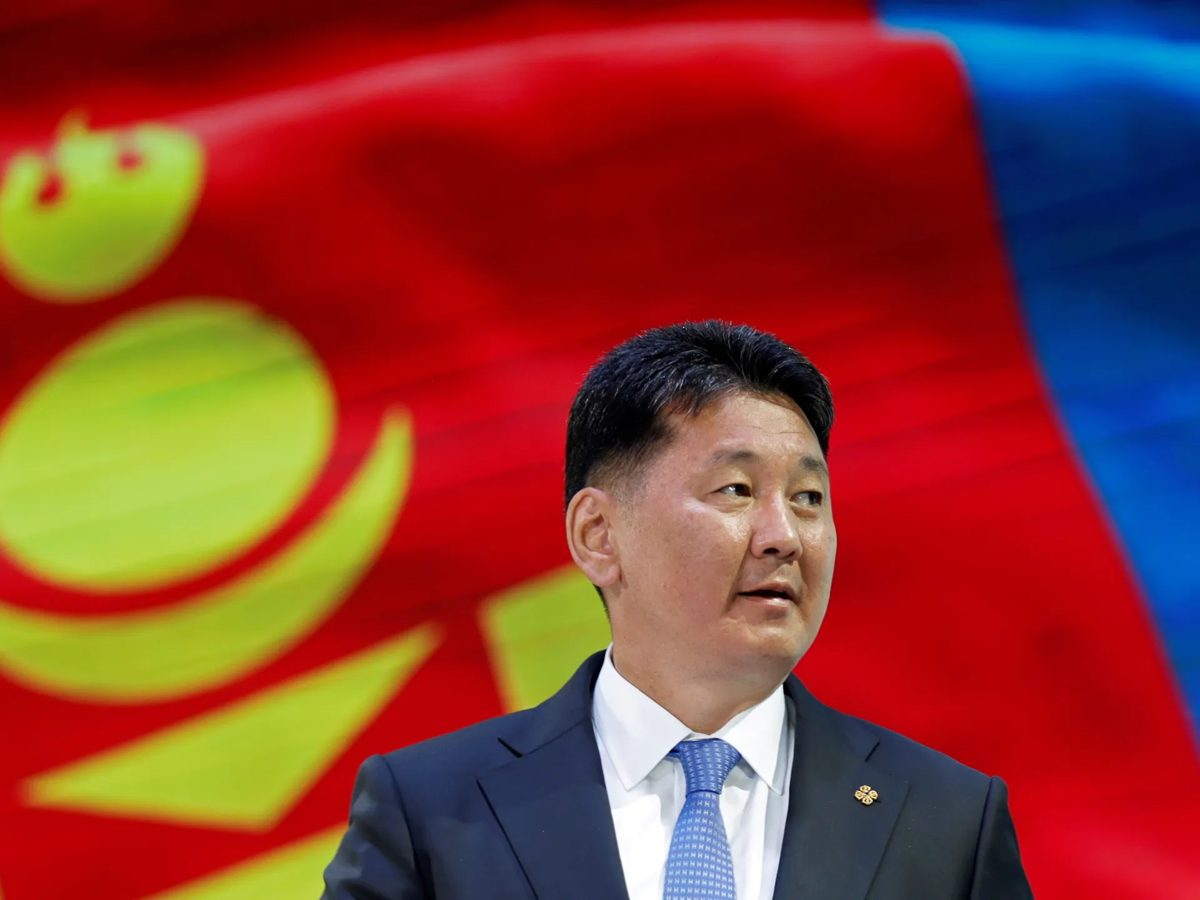
Mongolian President Ukhnaa Khurelsukh announced on Tuesday that he will resign after being accused of receiving a $25 million bribe linked to a government railway contract, a stunning fall for a leader who has dominated the country's politics for nearly a decade. Khurelsukh denied any wrongdoing but said he would step aside so the allegations could be investigated and his name cleared.
"I have never stolen from my people or my state," he said in a televised address to the nation, according to reports of the announcement. "I will hand over my duties as president and become an ordinary citizen." Free Malaysia Today
The accusation at the centre of the crisis
The allegations were made on Saturday by Nyambaatar Khishgee, a former mayor of the capital, Ulaanbaatar, and a member of the ruling Mongolian People's Party (MPP). He accused Khurelsukh of receiving $25 million in connection with the Tavantolgoi–Gashuunsukhait railway project, a contract awarded in 2019 when Khurelsukh was serving as prime minister. Kun.uz
According to the accusation, the contract to build the railway was awarded without a competitive tender to Bodi International, one of Mongolia's largest conglomerates, in exchange for the payments. Bodi International has rejected the claims, saying it paid no bribes to government officials and describing the accusations as defamatory.
Khurelsukh told a press conference at the State Palace in Ulaanbaatar that he was being "falsely accused and defamed with allegations of extremely serious crimes" but would co-operate with investigators. "The Democratic Party has said that I should step down from my duties so that the truth can be established. I agree with this," he said, according to the state news agency Montsame. TRT World
Why a railway contract matters so much
The Tavantolgoi–Gashuunsukhait line is no ordinary infrastructure project. It connects the Tavantolgoi coalfield — one of the world's largest untapped coking coal deposits — to the Gashuunsukhait border crossing with China, the destination for almost all of Mongolia's coal exports. Coal is the backbone of the Mongolian economy, and the railway is the artery that carries it to market.
That is why a contract awarded without a tender, if the allegation is proven, would be so damaging. Control over the coal corridor means control over the revenue stream on which the state depends, and the railway's construction has long been one of the most politically sensitive projects in the country. The $25 million figure, if confirmed, would make this one of the largest bribery cases in Mongolia's modern history — and it lands as China tightens its grip on regional supply chains, making Mongolia's export route to its giant neighbour more strategically sensitive than ever.
A split inside the ruling party
The political dynamics of the case are as important as the money. The accuser, Nyambaatar, is not an opposition figure — he belongs to the same ruling Mongolian People's Party as Khurelsukh, but to a different faction within it. The opposition Democratic Party seized on the accusation on Monday, declaring that the country "has become deeply corrupt" and demanding that senior officials resign or face impeachment in parliament.
Khurelsukh's decision to step down rather than fight the accusation from office reflects the pressure from both directions: an opposition demanding his removal and a fracture inside his own party. Two other officials named in the allegations — Deputy Justice and Home Affairs Minister Munkh-Erdene Dembereltseren and Cabinet Secretariat head Enkhbayar Battumur — also said on Tuesday that they would resign.
What happens next
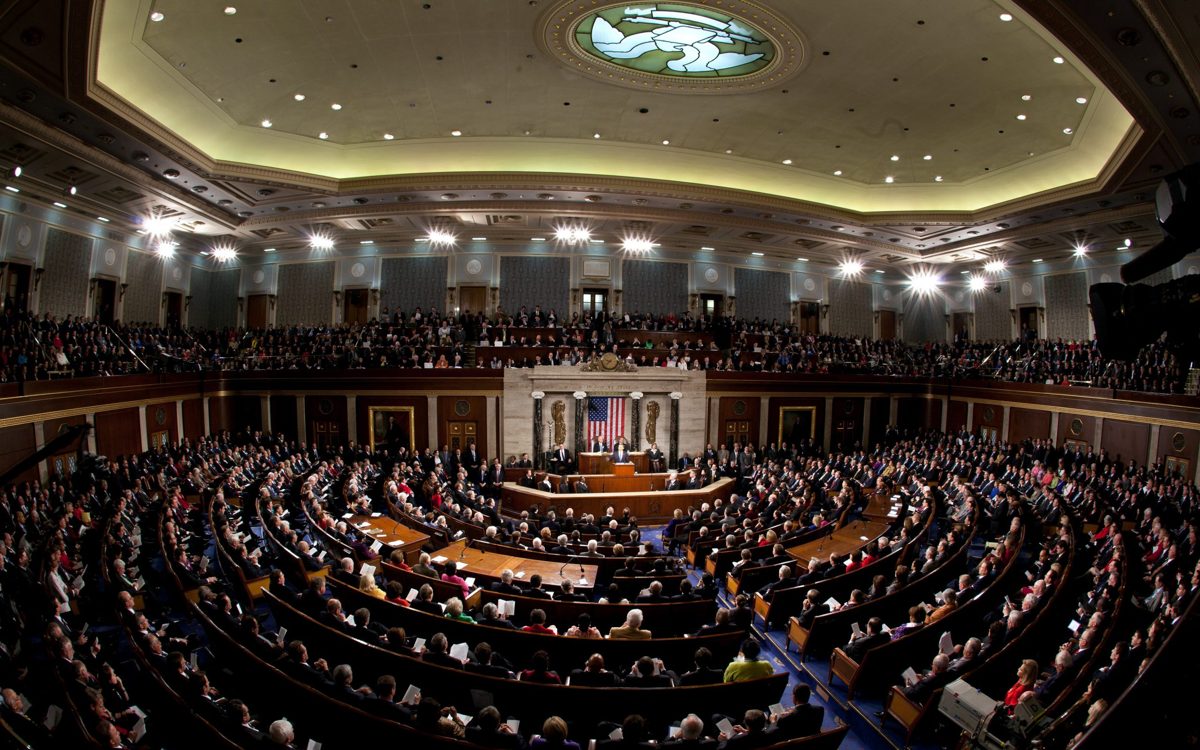
Khurelsukh's announcement does not immediately remove him from office. Under Mongolian law, a presidential resignation must be approved by the 126-member State Great Khural, the country's unicameral parliament, which is expected to consider it later this week.
If parliament accepts the resignation, parliamentary speaker Sandag Byambatsogt, also of the MPP, will assume presidential duties, and a presidential election must be organised within four months. The New Indian Express
Khurelsukh, 57, has been president since June 2021, after serving as prime minister from 2017 to 2021. His resignation would end a near-decade at the top of Mongolian politics and open a succession contest inside the MPP at a moment when the party itself is divided over the scandal.
A familiar pattern in Mongolian politics
The case fits a pattern that has haunted Mongolia since its mining boom began. The country's vast mineral wealth — coal, copper and gold — has repeatedly produced corruption scandals tied to the awarding of mining and infrastructure contracts, and public anger over graft has brought down governments before. In 2022, mass protests over an alleged coal theft scandal forced the government to open investigations and reshuffle officials.
What makes this case different is the target. Previous scandals touched ministers and officials; this one reaches the presidency itself, and the accuser comes from within the ruling party's own ranks. Whether the investigation that follows is genuinely independent — or becomes a weapon in the MPP's internal factional fight — will determine whether the resignation cleans up Mongolian politics or simply reshuffles it.
Presidents do not often resign in Asia to face corruption investigations, and Khurelsukh's case echoes other leaders who have stepped down under scandal — including Paraguay's President Santiago Peña, who resigned this month amid a banking scandal. The question now is whether Mongolia's institutions can deliver the transparent investigation Khurelsukh says he wants, or whether the case dissolves into the same factional politics that produced it.
What to watch next
Five things will decide what happens next. First, whether the State Great Khural accepts the resignation this week, and how quickly. Second, whether an investigation is actually opened — and by whom — into the 2019 Bodi International contract. Third, whether the investigation reaches beyond Khurelsukh to the other officials named, including the two who have already resigned. Fourth, who emerges as the MPP's candidate in the presidential election that must follow within four months. And fifth, whether the scandal disrupts the Tavantolgoi railway project itself, on which Mongolia's coal revenues depend.
Until parliament acts, Khurelsukh remains president — a president who has announced his own departure, denied the charges against him, and staked his reputation on an investigation he may not control.
Frequently Asked Questions
Why did Mongolia's president resign?
President Ukhnaa Khurelsukh announced his resignation on 17 November 2026 after being accused of receiving a $25 million bribe linked to the Tavantolgoi–Gashuunsukhait railway contract awarded in 2019. He denies wrongdoing but said he would step down so the allegations could be investigated and his name cleared.
Who accused Khurelsukh?
Nyambaatar Khishgee, a former mayor of Ulaanbaatar and a member of the ruling Mongolian People's Party, accused him on 14 November of receiving $25 million in connection with the railway project. The opposition Democratic Party then demanded his resignation or impeachment.
What is the Tavantolgoi–Gashuunsukhait railway?
It is a railway linking the Tavantolgoi coalfield, one of the world's largest coking coal deposits, to the Gashuunsukhait border crossing with China. Coal is Mongolia's main export, and the railway is the key route carrying it to its largest market.
Has Khurelsukh actually left office?
Not yet. Under Mongolian law his resignation must be approved by the 126-member State Great Khural (parliament), which is expected to consider it later this week. If accepted, parliamentary speaker Sandag Byambatsogt will assume presidential duties and an election must be held within four months.
What do Bodi International and Khurelsukh say about the allegations?
Both deny them. Bodi International said it paid no bribes to government officials and called the accusations defamatory. Khurelsukh said he has "never stolen from my people or my state" and pledged to co-operate with investigators.