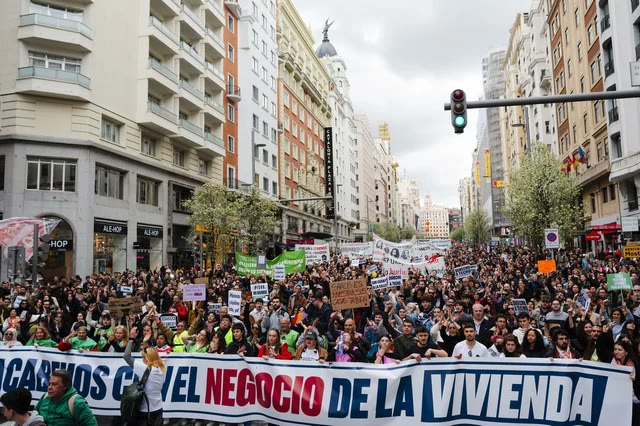
Millions of Spanish workers went on a general strike on Wednesday, 11 November 2026, setting up picket lines in stormy weather in a mass protest against the country's housing affordability crisis — the first general strike in 14 years to be jointly backed by Spain's two largest unions, the UGT and the CCOO, less than three weeks before a snap general election.
The 24-hour stoppage, called under the slogan "Salaries. Housing. Prices.", brought together the two big unions, smaller labour organisations and tenants' associations furious about rising rents and evictions. Reuters reported that pickets formed from midnight despite heavy rain and high winds, with afternoon protest marches planned in cities across the country.
Table of Contents
- A housing crisis at breaking point
- Strong early turnout — and flashpoints
- Storms and transport disruption
- An election gamble for Sánchez
- What happens next
- Key takeaways
- Frequently Asked Questions
- Sources
- Chronicle further reading
A housing crisis at breaking point
The strike's central grievance is the cost of keeping a roof over one's head. Spain has a deficit of about 750,000 homes, which the central bank expects to grow to more than a million by 2028, as construction fails to keep pace with demand. The average rental price of €1,176 a month is equivalent to about 98.7% of a young person's average monthly salary, according to the Youth Council of Spain — a figure that has become the emblem of a generation priced out of independence.
The unions are also demanding a minimum wage rise of at least 7% in 2027, linking pay directly to the cost of housing. For the organisers, the strike is not only about rents: it is about wages that no longer cover the basics, and a housing market in which evictions have become routine.
The movement gathered force over weeks of demonstrations and protest encampments, galvanised by the eviction case of Maricarmen Abascal, whose death became a rallying point for housing activists. The activists soon won the backing of the UGT and CCOO, turning a tenants' campaign into the first jointly backed general strike since 14 November 2012.
Strong early turnout — and flashpoints
According to the UGT and CCOO, early participation in the strike reached 90% at ports and in the automotive sector, two of the industries where union organisation is strongest. Picket lines formed at factories, depots and logistics hubs from the early hours, and many businesses, shops and factories slowed or shut for the day.
Tensions flared at the start of the strike at Madrid's Mercamadrid wholesale market, where about 1,000 protesters gathered. The CCOO's Madrid branch said on X that police fired pepper spray at pickets and arrested one of them, with 13 people requiring medical attention. The incident underscored how quickly a day of protest can turn confrontational at the choke points of the economy.
Storms and transport disruption
The strike unfolded under some of the worst weather of the autumn. Two storms, dubbed Charles and Bruna, swept across the country, and Spain's weather agency AEMET issued alerts for 14 regions over strong winds, rough seas and heavy rain — a threat to the massive afternoon marches the unions had planned.
Transport bore the brunt of the disruption. Airlines cancelled 202 of the 4,529 flights scheduled across Spain's airport network by 08:30, about 4.4%, according to airport operator Aena, as carriers rescheduled flights and moved passengers onto earlier departures. Public transport delays and slowdowns were expected across the country under minimum-service rules, and the strike was felt well beyond the picket lines.
An election gamble for Sánchez
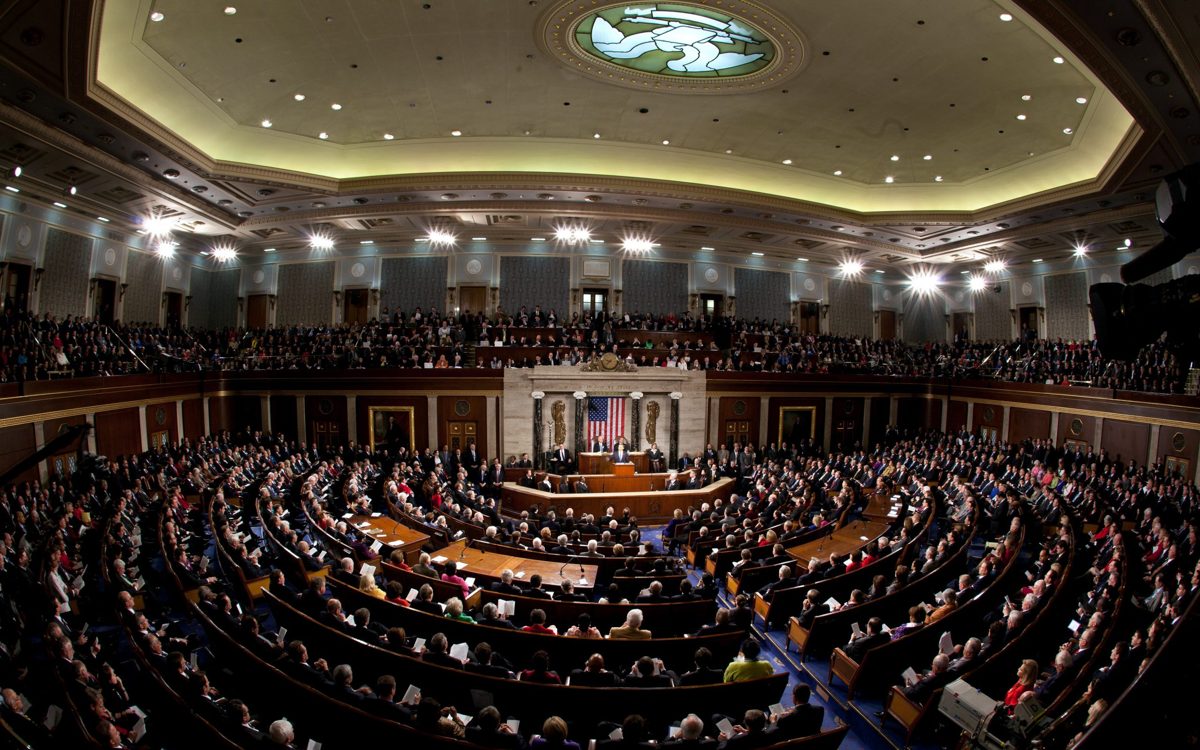
The timing is no accident. The strike falls 18 days before the snap general election on 29 November, which Prime Minister Pedro Sánchez called on 5 October after parliament rejected government decrees aimed at curbing evictions and limiting rent pressures. The defeat of those measures, combined with the street protests, pushed Sánchez to seek a fresh mandate.
Sánchez hopes to harness voter resentment over housing to shift the political narrative away from a series of corruption cases involving his inner circle and a deadly train crash last month. Analysts quoted in the coverage of the strike argue it is also an opportunity for the prime minister to present himself as the candidate of those squeezed by rents — but the gamble cuts both ways. A strike of this scale, staged by unions that have traditionally been allies of the left, is also a public rebuke of a government that has failed to fix the problem while in office.
The election could catapult the far right to power, and the strike has brought those clashing social and political desires to the fore: a country angry about housing, a government fighting for survival, and an opposition ready to capitalise on both.
What happens next
The strike lasts 24 hours, from midnight to midnight, and its political effect will be measured less in the day's disruption than in the days that follow. Turnout figures, the scale of the afternoon marches and any further clashes will shape the final stretch of the election campaign, in which housing is now the defining issue.
Sánchez's government has largely blamed the right-wing opposition running many regions and municipalities for rising rents and insufficient housing supply — an argument the unions and tenants' groups plainly reject. With polling day on 29 November, the strike has ensured that housing, not corruption or the train crash, dominates the conversation. Whether that helps the prime minister or hurts him will be decided at the ballot box.
Key takeaways
- Spain staged its first general strike in 14 years on 11 November 2026, jointly backed by the UGT and CCOO unions, over the housing affordability crisis.
- Spain faces a housing deficit of about 750,000 homes, set to exceed one million by 2028; average rent of €1,176 equals about 98.7% of a young person's average monthly salary.
- Early strike participation reached 90% at ports and in the automotive sector, according to the unions; 202 of 4,529 flights were cancelled by 08:30, per Aena.
- The strike comes 18 days before the 29 November snap general election, which Prime Minister Pedro Sánchez called after parliament rejected housing decrees.
- Clashes were reported at Madrid's Mercamadrid market, where police used pepper spray and one picket was arrested.
Frequently Asked Questions
Why did Spain go on general strike on 11 November 2026?
Spanish workers struck over the housing affordability crisis — soaring rents, frequent evictions and a shortage of about 750,000 homes. The stoppage was called by the UGT and CCOO unions together with tenants' associations, under the slogan "Salaries. Housing. Prices."
When was Spain's last general strike?
The last general strike jointly backed by both the UGT and CCOO was on 14 November 2012, making the 11 November 2026 stoppage the first of its kind in 14 years.
How bad is Spain's housing crisis?
Spain has a housing deficit of about 750,000 homes, expected to pass one million by 2028, according to the central bank. The average rent of €1,176 a month is roughly 98.7% of a young person's average monthly salary, according to the Youth Council of Spain.
How does the strike relate to the snap election?
The strike falls 18 days before the snap general election on 29 November 2026. Prime Minister Pedro Sánchez called the election after parliament rejected decrees aimed at curbing evictions and limiting rent pressures, and he hopes housing anger will work in his favour at the polls.
How much disruption did the strike cause?
By 08:30 on the day, airlines had cancelled 202 of 4,529 scheduled flights, about 4.4%, according to airport operator Aena. Public transport delays were expected nationwide, and clashes were reported at Madrid's Mercamadrid wholesale market, where police used pepper spray.
Sources
- Reuters — Workers across Spain stage first general strike in 14 years in anger over housing
- Associated Press via The New Indian Express — Spain's first general strike in 14 years brings clashing social and political desires to the fore